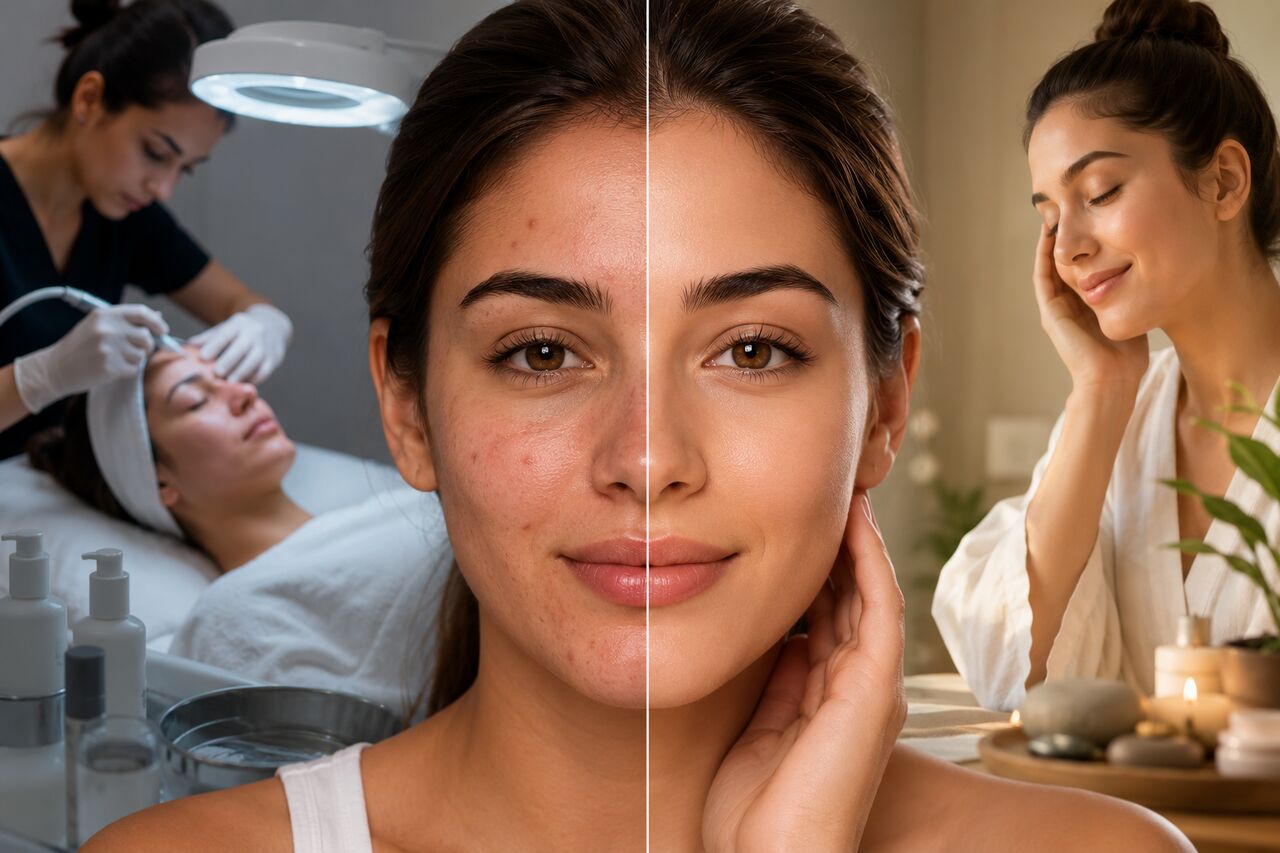
Acne is often viewed as a temporary cosmetic concern, but dermatologists increasingly recognize it as a chronic inflammatory condition that requires ongoing care and management. Effective acne treatment is no longer focused solely on eliminating visible pimples. Instead, modern approaches aim to address the underlying factors that contribute to recurring breakouts while supporting long-term skin health.
Acne Is More Than a Surface Problem
Acne develops through a complex interaction of hormones, excess oil production, inflammation, dead skin cells, and bacterial activity within the pores. These changes occur gradually, which is why breakouts often take time to improve even after starting treatment.
Common factors involved in acne development include:
Increased sebum production
Dead skin cell buildup
Inflammatory responses
Imbalances in skin bacteria
Disruption of the skin barrier
As acne is influenced by multiple underlying factors, long-term and consistent management often provides the most sustainable results.
The Importance of a Healthy Skin Barrier
The skin barrier is the outer protective layer of the skin that helps retain moisture and defend against environmental stressors and irritants. When this barrier becomes compromised, the skin may experience:
Increased sensitivity and irritation
Excessive dryness and tightness
Increased oil production
Persistent inflammation
Many people unintentionally damage their skin barrier by over-cleansing, frequent exfoliation, or using too many active ingredients at once. In some cases, these habits can worsen acne and prolong recovery.
Why the Skin Microbiome Matters
Modern dermatology is increasingly focused on the skin microbiome—the community of microorganisms that naturally live on the skin. A balanced skin microbiome supports:
Supporting skin barrier function
Regulating inflammation
Maintaining healthy immune responses
Preventing harmful bacterial overgrowth
When the skin's microbial balance is disrupted, inflammation can increase, potentially making acne more persistent and difficult to manage. This has led to a shift toward treatment strategies that aim to restore balance rather than simply eliminate bacteria.
Why Acne Often Returns
One of the most frustrating aspects of acne is that breakouts may recur even after noticeable improvement. Several factors can contribute to this:
Inconsistent treatment use: Stopping treatment as soon as the skin improves can increase the likelihood of future breakouts.
Unrealistic expectations: Most effective acne treatments work gradually, and noticeable improvements may take several weeks or months to appear.
Using too many products: Combining multiple active ingredients without professional guidance may irritate and impair the skin barrier.
Ignoring underlying triggers: Hormonal changes, stress, sleep patterns, and lifestyle habits can continue to influence acne even when topical products are used consistently.
The Connection Between Stress and Acne
Research suggests that emotional stress may aggravate existing acne by increasing inflammation, influencing hormone levels, slowing the healing process, and affecting oil production.
Chronic stress may contribute to more frequent breakouts and slower healing, potentially making acne more difficult to manage. Although stress management alone may not resolve acne, maintaining healthy lifestyle habits can support more effective and sustainable treatment outcomes.
Why Treatment Consistency Matters
Treatment adherence is one of the strongest predictors of long-term improvement. Common reasons for inconsistent treatment include:
Forgetting applications
Becoming discouraged by slow results
Stopping treatment because of mild irritation
Frequently switching between products
Individuals who follow a consistent treatment plan are generally more likely to achieve sustainable improvements and reduce the frequency of recurring breakouts.
The Role of Sleep in Skin Health
During sleep, the body performs several important restorative functions, including:
Tissue repair
Regulation of inflammation
Hormonal balance
Immune system support
Poor sleep may contribute to increased inflammation and elevated stress hormones, which can worsen acne symptoms. Although sleep alone cannot cure acne, maintaining healthy sleep habits may enhance the effectiveness of other treatments.
Studies suggest that acne affects up to 85% of people between the ages of 12 and 24.
Looking Beyond Individual Pimples
Progress should not be measured solely by the appearance of new breakouts. Other signs of improvement may include:
Fewer and less severe breakouts
Faster healing times
Reduced redness and inflammation
Smoother skin texture
Better control of excess oil
Recognizing these changes can help individuals stay motivated throughout their treatment journey.
Acne Treatment in Dubai: Why a Personalized Approach Matters
Dubai's hot climate, humidity, frequent sun exposure, and air-conditioned indoor environments can all influence skin health and acne severity. These environmental factors may increase oil production, contribute to dehydration of the skin barrier, and worsen post-acne pigmentation in some individuals.
As a result, acne treatment in Dubai is increasingly adopting personalized approaches that take both skin biology and lifestyle influences into account. Treatment strategies may include improving barrier function, managing inflammation, supporting the skin microbiome, and addressing individual triggers.
The Future of Acne Management
Advances in dermatology continue to explore:
Microbiome-based therapies
Barrier repair strategies
Personalized inflammatory profiling
Individualized treatment strategies tailored to each person's unique skin needs.
The future of acne management is moving toward prevention, personalization, and long-term skin health rather than temporary symptom control.
Conclusion
Successful acne treatment in Dubai goes beyond simply treating visible breakouts. By focusing on inflammation, skin barrier health, microbiome balance, lifestyle influences, and treatment consistency, individuals can support healthier skin and reduce the likelihood of recurring acne. A personalized and long-term approach often provides the most sustainable path to clearer, healthier skin.
Consulting a qualified dermatologist can help identify individual triggers and develop a personalized treatment plan for long-term skin health.