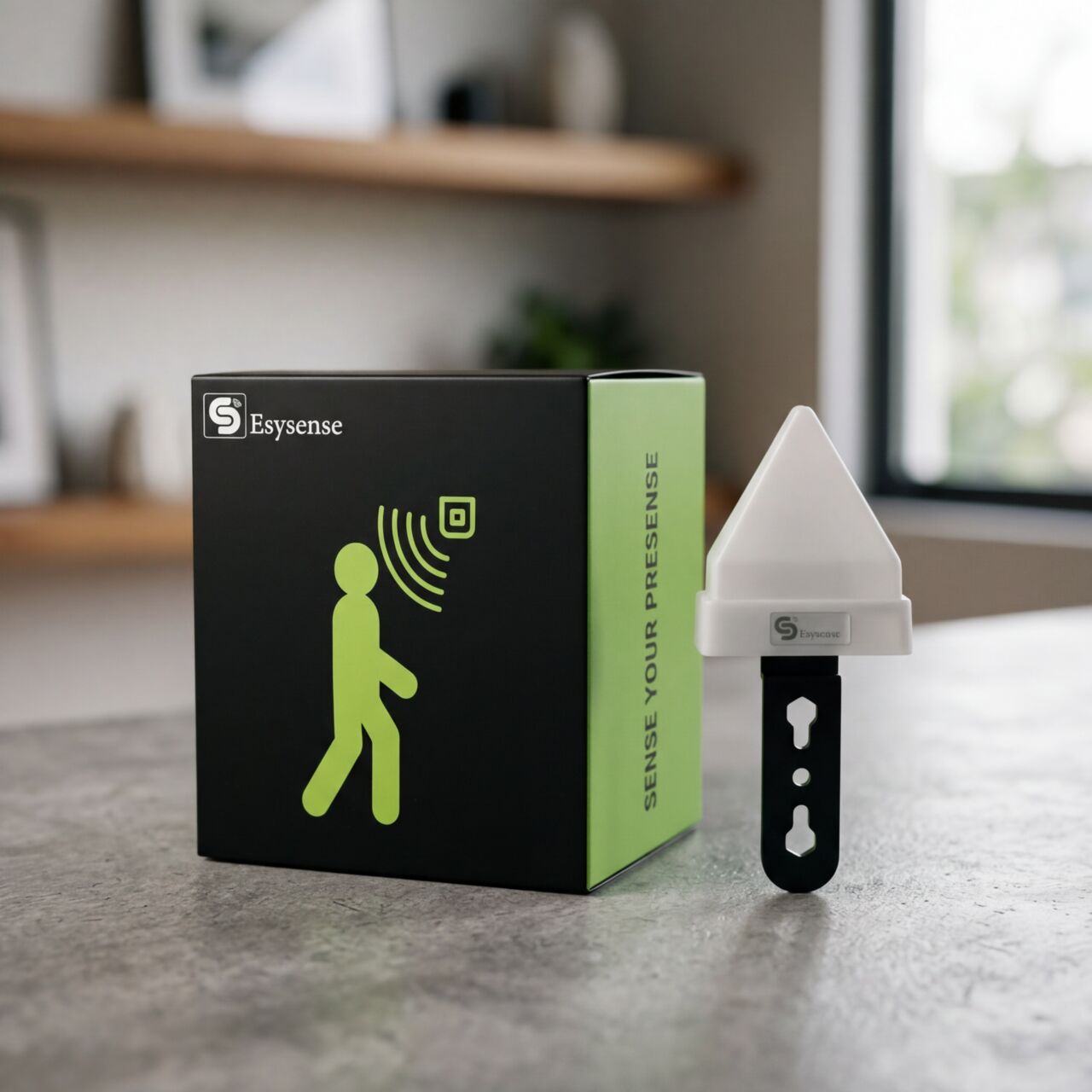
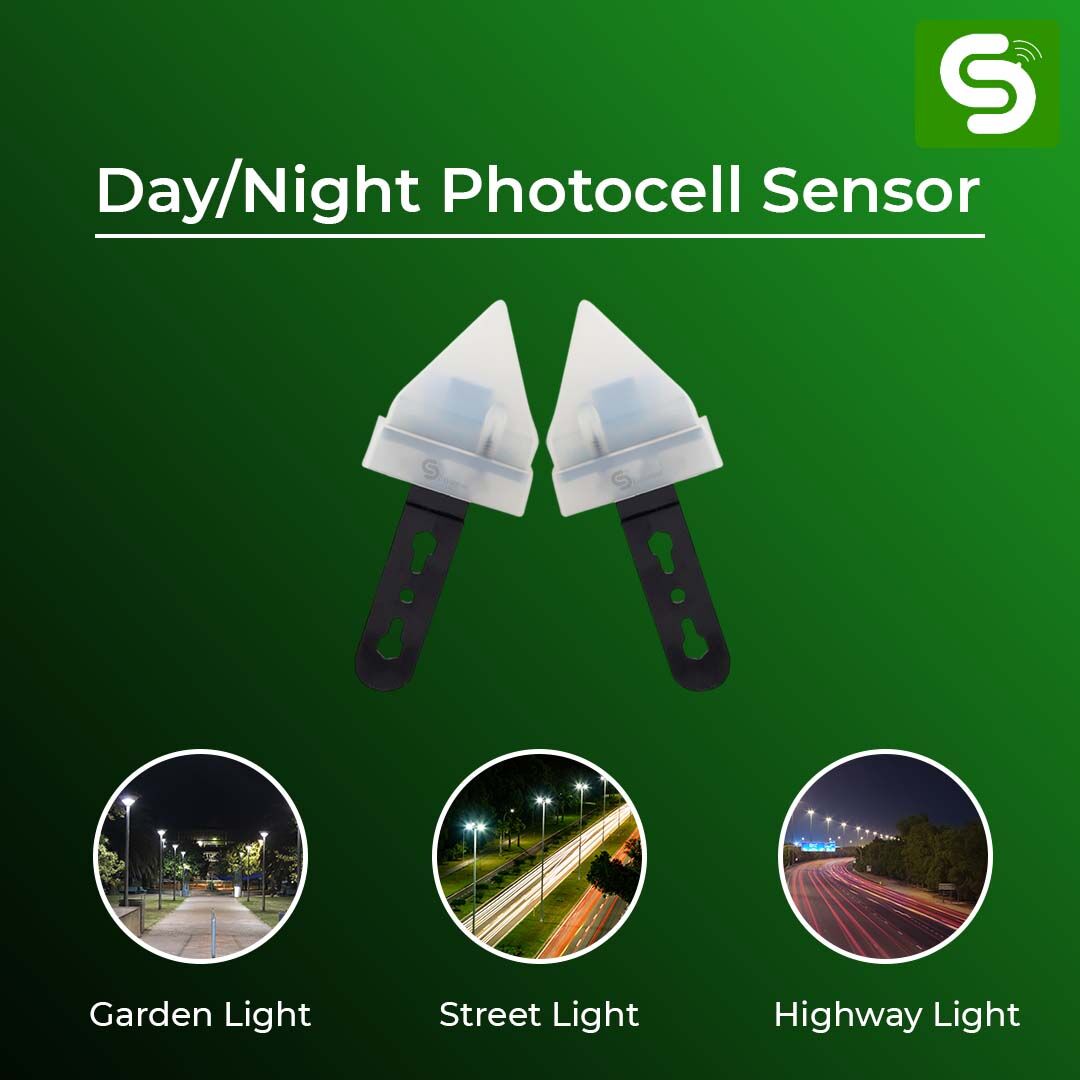
A Photocell Sensor is an automatic outdoor lighting controller that uses ambient light sensing to switch connected lights ON at dusk and OFF at dawn. It eliminates manual switching, improves energy efficiency and ensures outdoor areas remain illuminated only when required.
Esysense offers multiple Photocell Sensor models, including ESY-LDO4-PT (10A IP65), ESY-LD04-PT (16A IP65) and ESY-LD02 (10A IP44), designed for applications such as street lights, garden lighting, parking areas, pathways and commercial outdoor lighting.
Product Overview:
Esysense Photocell Sensors
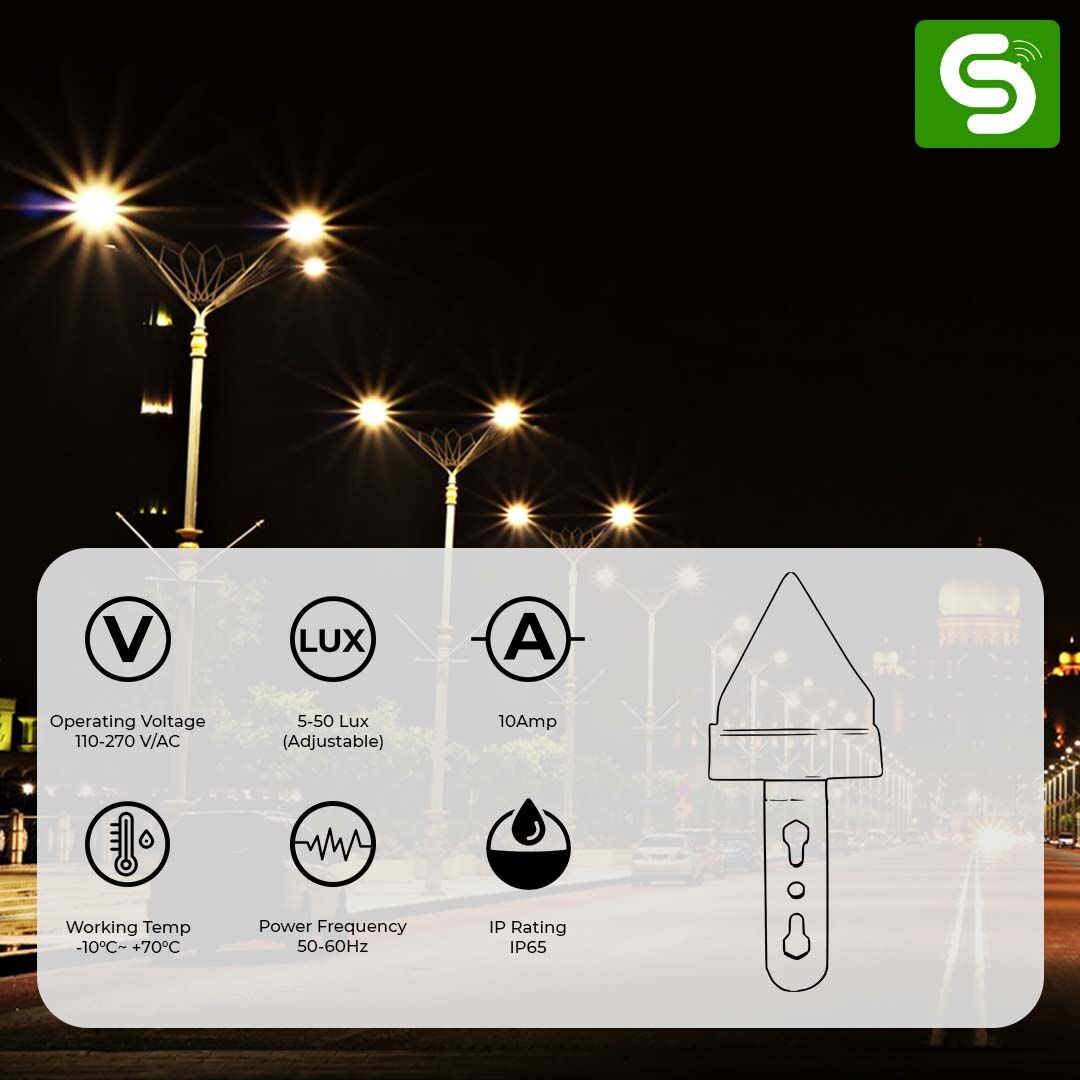
1. Operating Voltage: 110–270V AC / 220–270V AC
2. Current Ratings: 10A & 16A
3. Sensor Type: LDR Photocell
4. Ambient Light Setting: 5–50 Lux
5. Protection Rating: IP44 / IP65
6. Installation: Pole Mount
7. Best Applications: Street lighting, Garden lighting, Parking areas & Security lighting
What is a Photocell Sensor?
A Photocell Sensor is an intelligent light-sensitive switch that automatically controls outdoor lighting according to natural daylight. Instead of operating on a timer, it continuously monitors ambient brightness. When daylight drops below the preset Lux level, the sensor switches the connected lighting ON. As daylight increases the following morning, the lights switch OFF automatically. This automatic operation improves convenience while preventing unnecessary daytime power consumption.
Bottom Line:
Photocell sensors provide reliable dusk-to-dawn lighting control without requiring manual operation.
Key Features of Esysense Photocell Sensors:
Esysense models provide:
(i) Automatic dusk-to-dawn operation
(ii) Light Dependent Resistor (LDR) technology
(iii) IP44 and IP65 weatherproof options
(iv) Pole-mount installation
(v) Adjustable ambient light sensitivity (5–50 Lux)
(vi) 10A and 16A load capacities
(vii) 110–270V AC compatibility
(viii) Reliable outdoor performance
These features make them suitable for both residential and commercial outdoor installations.
Best Applications:
Street Lights: Automatically operates municipal and residential street lighting.
Garden Lighting: Provides convenient dusk-to-dawn landscape illumination.
Parking Areas: Ensures lighting is available only during low-light conditions.
Security Lighting: Keeps building exteriors illuminated automatically during the night.
Industrial Facilities: Suitable for perimeter lighting, warehouses and factories.
Bottom Line:
Photocell sensors are ideal wherever automatic outdoor lighting control is required.
Photocell Sensor vs Timer Switch
Photocell Sensor
1. Detects Daylight: Yes
2. Automatic Seasonal Adjustment: Yes
3. Manual Programming: Not required
4. Dusk-to-Dawn Operation: Yes
5. Energy Saving: Excellent
Timer Switch
1. Detects Daylight: No
2. Automatic Seasonal Adjustment: No
3. Manual Programming: Required
4. Dusk-to-Dawn Operation: Limited
5. Energy Saving: Moderate
Bottom Line:
Unlike timers, photocell sensors automatically adapt to changing sunrise and sunset times throughout the year.
Benefits of Installing a Photocell Sensor:
Installing an Esysense Photocell Sensor provides:
1. Automatic outdoor lighting
2. Reduced electricity bills
3. Improved safety
4. No manual switching
5. Weatherproof operation
6. Longer lighting life
7. Low maintenance
These advantages make photocell sensors one of the most practical solutions for outdoor lighting automation.
Installation Tips:
For the best performance:
1. Mount the sensor where it receives natural daylight.
2. Keep it away from direct illumination from controlled lights.
3. Use weatherproof wiring connections.
4. Select the correct IP rating for the installation environment.
5. Ensure proper pole or wall mounting.
Frequently Asked Questions
Q: What is a Photocell Sensor?
A: A Photocell Sensor automatically turns outdoor lights ON at dusk and OFF at dawn by detecting surrounding light levels using LDR technology.
Q: Can a photocell sensor save electricity?
A: Yes. Since lighting operates only when ambient light falls below the preset level, electricity consumption is significantly reduced.
Q: Are Esysense photocell sensors weatherproof?
A: Yes. Depending on the model, Esysense offers IP44 and IP65 rated photocell sensors suitable for outdoor environments.
Q: Which applications are suitable?
A: Street lights, garden lights, parking areas, pathways, industrial premises and security lighting are ideal applications.
People Also Ask
Q: Which is the best photocell sensor?
A: A weatherproof photocell sensor with adjustable Lux settings and reliable dusk-to-dawn operation offers the best long-term performance. Esysense provides multiple models for different outdoor applications.
Q: What is the difference between an LDR sensor and a photocell sensor?
A: In outdoor lighting, the terms are generally interchangeable because both use light-dependent resistance to detect ambient daylight and automatically control lighting.
Q: Can a photocell sensor control street lights?
A: Yes. Photocell sensors are widely used for automatic street lighting because they switch lights ON at dusk and OFF at dawn without manual intervention.
Q: Which Esysense photocell sensor should I choose?
A: For general outdoor applications, users can choose between 10A IP44, 10A IP65, or 16A IP65 models depending on the installation environment and connected electrical load.
Conclusion
A Photocell Sensor is one of the simplest and most effective ways to automate outdoor lighting while reducing energy consumption. By responding to natural daylight instead of fixed schedules, it ensures reliable dusk-to-dawn operation throughout the year.
The Esysense range of Photocell Sensors includes IP44 and IP65 models with 10A and 16A current ratings, 5–50 Lux sensitivity and durable pole-mount designs, making them ideal for street lights, gardens, parking areas, pathways and commercial outdoor lighting.
Written from direct product testing and manufacturer specifications by Esysense Tech Innovations Pvt. Ltd., Ghaziabad, India. All prices, specs and model references are verified against live product listings at esysense.com. Last updated: July 2026