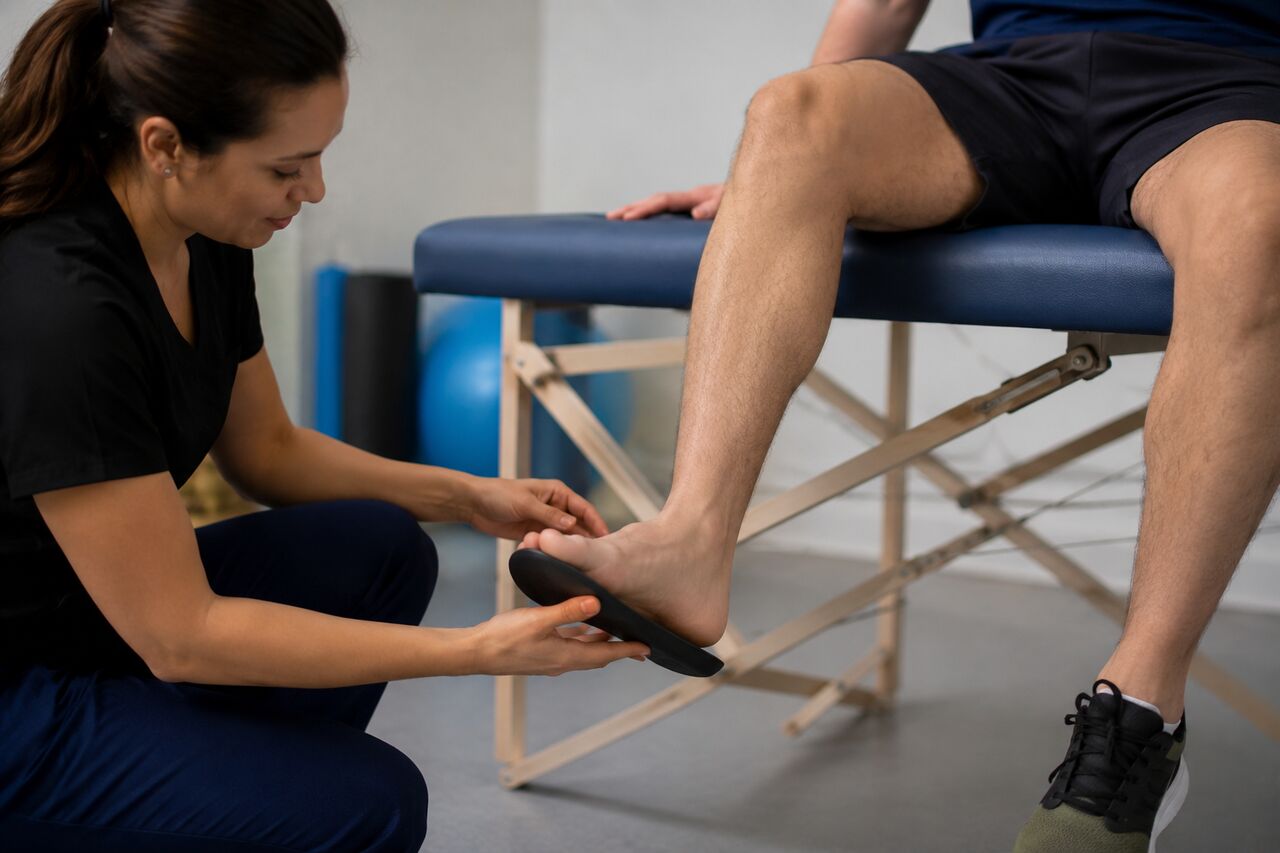
Foot pain, poor posture, recurring joint discomfort, and difficulty walking often have a common cause that many people overlook—improper biomechanical alignment. Even minor imbalances in the feet can affect the ankles, knees, hips, and lower back, leading to long-term discomfort if left untreated.
This is where Orthotics Physiotherapy Gurgaon services are making a meaningful difference. Rather than focusing only on pain relief, modern physiotherapy combines detailed movement analysis with customized orthotic support to improve body mechanics from the ground up. The result is better mobility, improved balance, reduced strain on joints, and enhanced quality of life.
Whether you're an athlete, an office professional, or a senior experiencing mobility challenges, understanding how orthotics work alongside physiotherapy can help you make informed decisions about your long-term musculoskeletal health.
Understanding Orthotics Physiotherapy
Orthotics physiotherapy is a specialized approach that combines physical rehabilitation with custom-designed orthotic devices. These devices are worn inside footwear to support the feet, improve alignment, and distribute pressure more evenly during standing and walking.
Unlike generic shoe inserts available in stores, professional orthotics are prescribed after a comprehensive physical assessment. A physiotherapist evaluates posture, gait, muscle strength, flexibility, joint mobility, and movement patterns before recommending an appropriate solution.
The primary objective isn't simply to make walking more comfortable—it's to correct underlying movement issues that may be contributing to chronic pain or repeated injuries.
Why Foot Alignment Matters More Than Most People Realize
The feet act as the body's foundation. Every step influences how force travels through the ankles, knees, hips, pelvis, and spine.
When the feet are not properly aligned, several issues may develop over time, including:
Persistent heel pain
Plantar fasciitis
Flat feet
High arches
Knee discomfort
Hip pain
Lower back pain
Recurrent ankle sprains
Poor posture
Walking fatigue
Instead of treating only the symptoms, physiotherapists identify the mechanical cause and develop a treatment strategy that addresses the entire kinetic chain.
Common Conditions That Benefit from Orthotics
Orthotics are recommended for a wide variety of musculoskeletal conditions.
Plantar Fasciitis
One of the most common causes of heel pain, plantar fasciitis often develops because of excessive strain on the plantar fascia. Customized orthotics help reduce stress while physiotherapy improves flexibility and strengthens supporting muscles.
Flat Feet
People with fallen arches frequently experience foot fatigue and knee discomfort. Orthotic support restores better alignment and improves walking efficiency.
High Arches
High arches may increase pressure on specific parts of the foot, leading to instability and discomfort. Properly designed orthotics distribute weight more evenly.
Sports Injuries
Athletes often place repetitive stress on their lower limbs. Correcting biomechanical imbalances reduces injury risk while enhancing movement efficiency.
Arthritis
Individuals living with arthritis benefit from reduced joint pressure and improved walking comfort through customized orthotic intervention.
Diabetic Foot Care
In selected cases, orthotics help reduce pressure points that may contribute to skin breakdown, while physiotherapy supports safer mobility.
How Physiotherapy and Orthotics Work Together
Many people assume that simply purchasing shoe inserts will solve their problem. However, orthotics work best when they are part of a comprehensive rehabilitation program.
A qualified physiotherapist may include:
Movement Assessment
Walking patterns, posture, and joint alignment are carefully evaluated to identify the source of dysfunction.
Strength Training
Weak muscles around the hips, knees, and feet are strengthened to improve stability.
Stretching Exercises
Tight calf muscles, hamstrings, and plantar fascia often contribute to abnormal movement patterns.
Balance Training
Improving balance reduces falls and increases confidence during daily activities.
Manual Therapy
Hands-on treatment may improve joint mobility and reduce muscle tightness.
Education
Patients receive guidance on footwear, activity modification, and home exercises to maintain long-term improvements.
Together, these interventions address both the symptoms and the underlying cause of discomfort.
Signs You May Need Orthotics
Many individuals delay treatment because they assume foot pain is a normal part of aging or a busy lifestyle.
Consider seeking professional assessment if you experience:
Foot pain after standing for long periods
Frequent ankle twists
Uneven shoe wear
Persistent knee pain without injury
Lower back pain associated with walking
Heel pain in the morning
Difficulty maintaining balance
Pain while running or exercising
Recurring shin splints
Fatigue during routine walking
Early intervention often prevents small problems from becoming chronic conditions.
Choosing the Right Physiotherapy Approach
Every patient has unique movement patterns, activity levels, and rehabilitation goals. Effective treatment begins with an individualized assessment rather than a one-size-fits-all solution.
A trusted Gurgaon Physiotherapy Clinic typically evaluates:
Medical history
Daily activities
Occupational demands
Exercise habits
Previous injuries
Foot structure
Gait mechanics
Joint mobility
Muscle strength
Based on these findings, the physiotherapist develops a personalized treatment strategy designed for sustainable recovery.
Benefits Beyond Pain Relief
Orthotics provide much more than cushioning.
Patients often notice improvements such as:
Better Posture
Improved foot alignment promotes healthier posture throughout the body.
Improved Walking Efficiency
Walking becomes smoother, more balanced, and less tiring.
Reduced Joint Stress
Proper force distribution decreases unnecessary pressure on knees, hips, and the lower back.
Injury Prevention
Correcting abnormal biomechanics lowers the risk of repetitive strain injuries.
Enhanced Athletic Performance
Athletes often experience improved stability, control, and movement efficiency.
Greater Daily Comfort
Standing, walking, shopping, and working become significantly more comfortable.
The Importance of Proper Footwear
Orthotics perform best when paired with supportive footwear.
Look for shoes that provide:
Firm heel support
Adequate arch stability
Shock absorption
Proper width
Flexible forefoot
Stable sole
Worn-out shoes can reduce the effectiveness of even the highest-quality orthotics.
Home Habits That Support Recovery
Professional treatment works best when supported by healthy daily habits.
Helpful practices include:
Maintain a Healthy Weight
Reducing excess body weigh