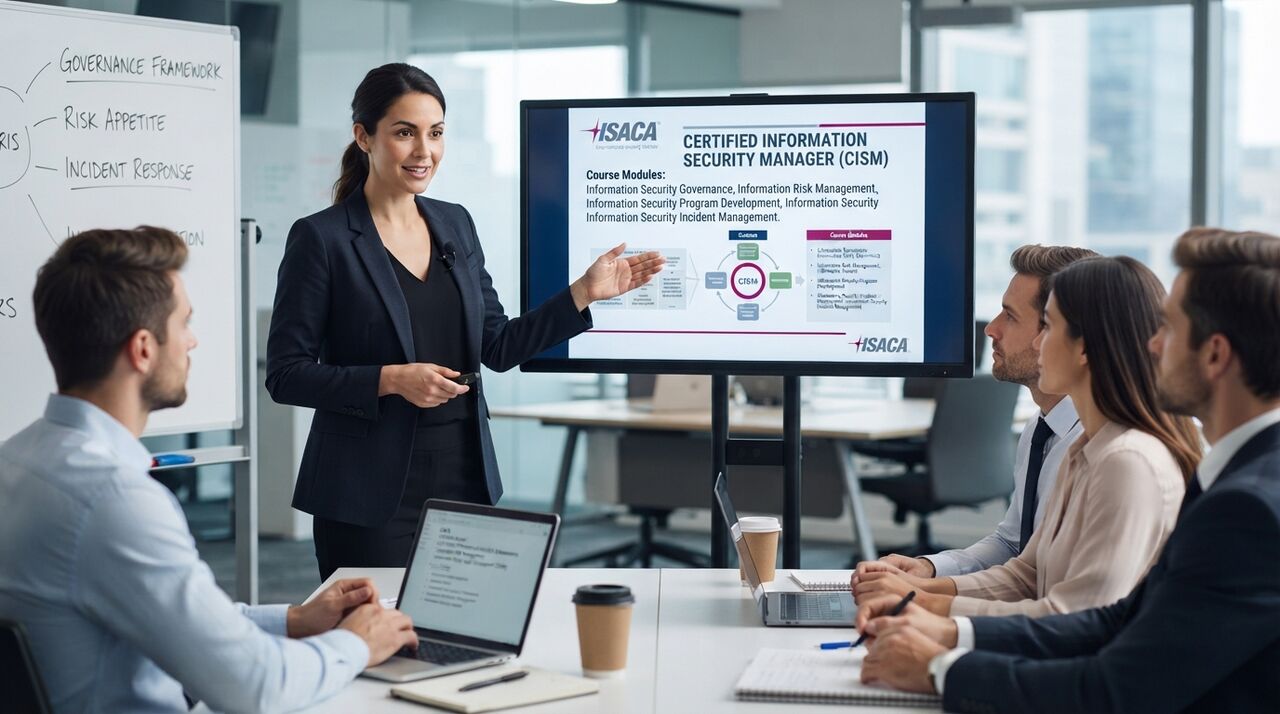
This is where the Certified Information Security Manager (CISM)(https://www.icertglobal.com ... ) credential becomes invaluable. Offered by ISACA, CISM is globally recognized as the gold standard for professionals who design, manage, and oversee enterprise information security programs.
Understanding the primary benefits of CISM certification is essential if you are an IT specialist aiming to move into leadership or a security professional looking to validate your executive-level expertise. Below is a detailed breakdown of how earning your CISM can transform your career trajectory, increase your earning power, and position you as a key driver of business resilience.
What is CISM Certification?
The Certified Information Security Manager (CISM) credential is a management-focused certification tailored for professionals with verified experience in information security management. Unlike technical certifications that focus on tools, hands-on configurations, or ethical hacking, CISM emphasizes strategy, governance, risk evaluation, and incident leadership.
+-------------------------------------------------------------------------+
CISM Strategic Foundation
• Enterprise Governance • Information Risk Management
• Security Program Design • Incident Preparedness & Response
+-------------------------------------------------------------------------+
ISACA structures the CISM curriculum around four foundational practice domains:
Information Security Governance (17%) – Aligning security strategy with corporate objectives.
Information Security Risk Management (20%) – Identifying, evaluating, and mitigating business risks.
Information Security Program (33%) – Building, integrating, and maintaining security architectures.
Incident Management (30%) – Developing response, business continuity, and disaster recovery plans.
6 Key Benefits of CISM Certification
Earning your CISM credential requires dedicated preparation and verified hands-on experience, but the strategic advantages make it one of the most rewarding investments in professional development.
┌───────────────────────────────────────────────────────────┐
│ Core Benefits of CISM Certification │
└───────────────────────────────────────────────────────────┘
│
┌───────────────────────────┼───────────────────────────┐
▼ ▼ ▼
┌─────────────────┐ ┌─────────────────┐ ┌─────────────────┐
│ Executive-Level │ │ Substantial Pay │ │ Global Standard │
│ Credibility │ │ & Growth Boost │ │ & Recognition │
└─────────────────┘ └─────────────────┘ └─────────────────┘
│ │ │
▼ ▼ ▼
┌─────────────────┐ ┌─────────────────┐ ┌─────────────────┐
│ Bridge Technical│ │ Strategic Risk │ │ Future-Proof │
│ & Business Gap │ │ & Incident Skill│ │ Leadership Role │
└─────────────────┘ └─────────────────┘ └─────────────────┘
1. Global Recognition and Instant Market Credibility
ISACA’s CISM credential is accredited under ISO/IEC 17024 and accepted across international borders, government entities, and Fortune 500 enterprises. Holding the designation signals to employers, clients, and auditors that your skills meet rigorous global standards