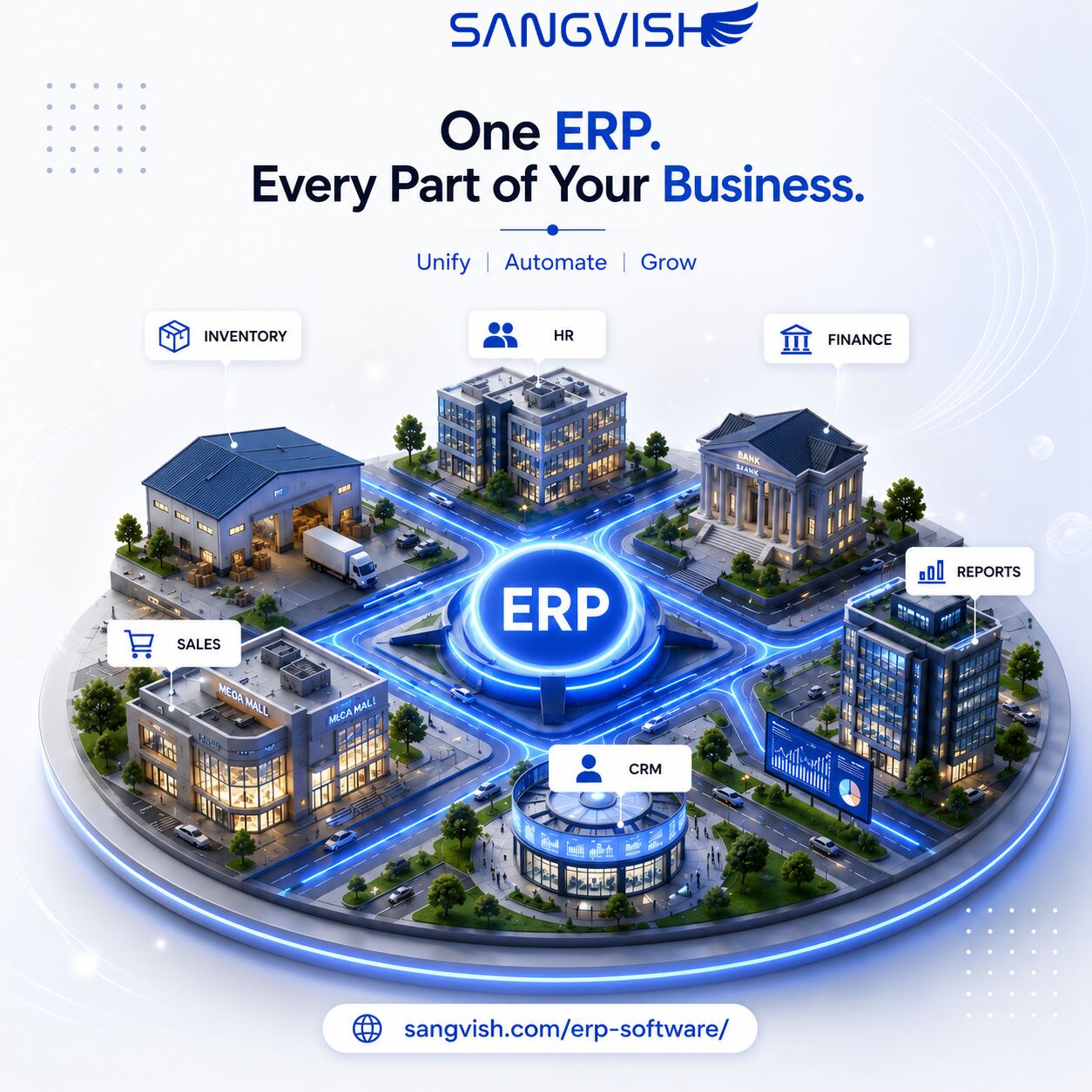
1.Inventory and Product Management
ERP software tracks stock levels, pricing, and product details in real time rather than relying on periodic manual counts that are often outdated by the time anyone checks them. The practical benefit is straightforward — fewer instances of overselling out-of-stock items, and less cash tied up in products that aren't moving. For a business managing dozens or hundreds of SKUs, this alone removes a significant amount of daily guesswork.
2.Sales and Point-of-Sale (POS)
Within any business’s ERP software, a dedicated POS module ensures quick check-outs, allows for several payment options and streamlines your transactions at the till. When businesses get a large number of customers daily, this will lead to fewer errors, less waiting in queues and a more positive customer and staff experience during hectic times.
3.Purchase and Supplier Management
Good ERP software ties purchase orders and supplier records together, so restocking decisions are based on actual buying history rather than guesswork or gut feeling. This reduces the chances of both understocking popular items during peak demand and overcommitting cash to slow-moving stock that ties up storage space.
4.Accounting and Finance
Billing, payments, and expenses all move through the same ERP software as sales, and inventory do too, instead of using some separate bookkeeping tool where you then have to do manual reconciliation later. So the outcome is way less repetitive back and forth checking, especially around month end, when the mismatched figures across different systems tend to create the biggest delay, and frustration.
5.HR: Payroll and Attendance
Employee attendance and payroll are handled within the same ERP software platform as sales and inventory, rather than through a separate, disconnected system. This gives owners a clearer combined view of staffing costs alongside daily business performance, instead of treating labor cost as a number reviewed separately once a month.
6.Multi-Store and Branch Management
For businesses operating more than one location, ERP software with multi-store management allows centralized oversight without needing to manually combine reports from each store individually. The benefit compounds as a business adds locations, since the alternative — manually reconciling several disconnected setups — gets progressively harder with each new branch added.
7.Reports and Analytics
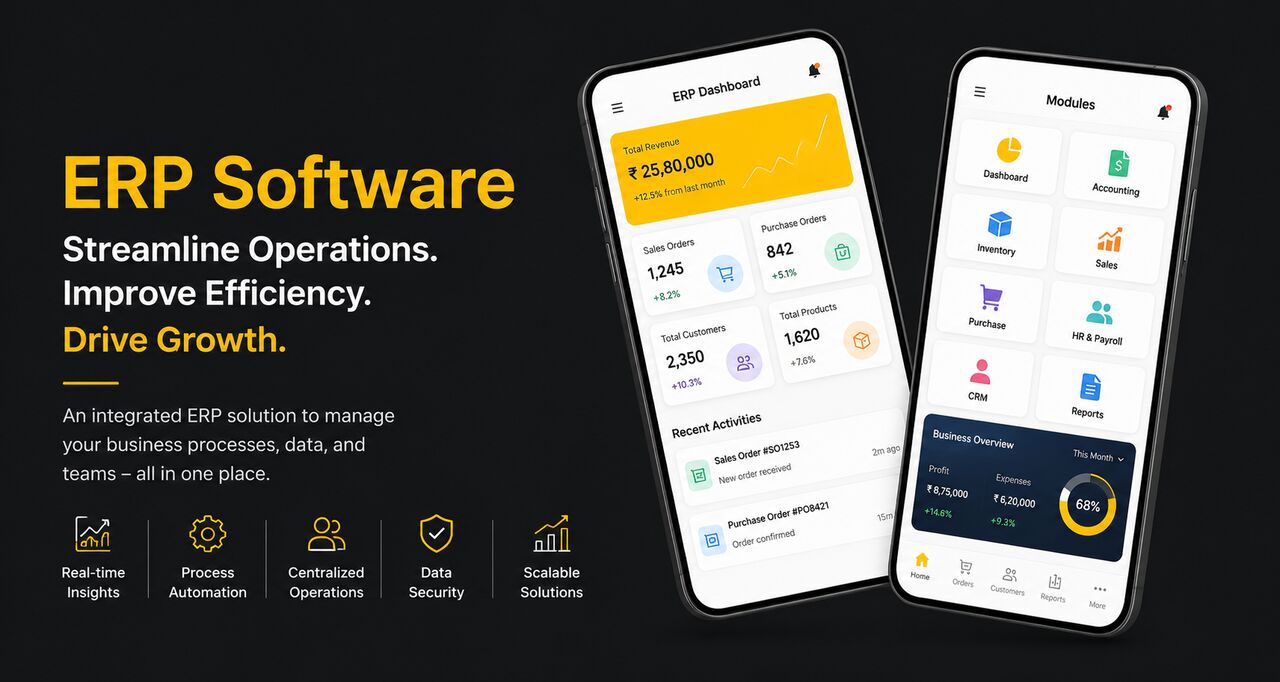
Real-time dashboards built into ERP software give a current view of sales, stock, and financial performance, rather than requiring someone to manually compile this information after the fact. This supports faster, better-informed decisions on pricing, restocking, and staffing, instead of decisions made on outdated or incomplete numbers.
8.The Business Model Behind It
Beyond the feature set, not all ERP software follows the same pricing structure. Some providers, like Sangvish, offer their ERP software as a one-time payment with full source code included, rather than a recurring monthly subscription — a distinction that meaningfully affects the total cost over a few years of use.
9.See These Features in Practice
A features list only tells part of the story about how ERP software actually performs day to day. A live demo covering both the customer-facing and admin sides of the platform gives a much clearer sense of how these features work together in real use, rather than in isolation on a page.Explore Sangvish's ERP software on their official website.