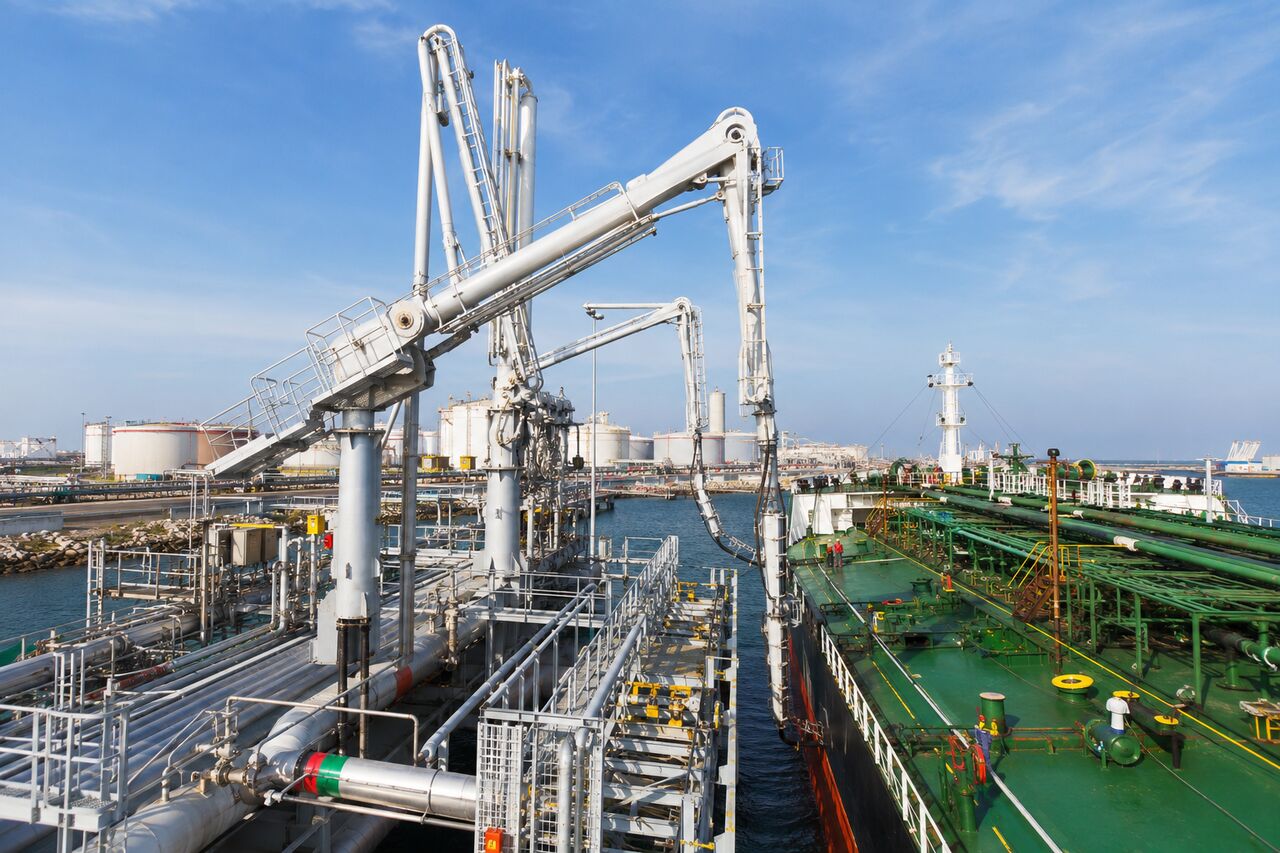
Marine loading arms are essential components of modern port infrastructure, playing a vital role in ensuring safe, efficient, and reliable product transfer operations. These systems serve as the critical interface between onshore terminals and visiting vessels, facilitating the transfer of crude oil, LNG, chemicals, and refined products under demanding operating conditions. Installing a marine loading arm involves multiple engineering disciplines. Civil, mechanical, electrical, instrumentation, and marine specialists all work together to ensure the system performs safely and reliably. The quality of engineering decisions and installation practices directly influences terminal safety, operational efficiency, and equipment reliability throughout the system's typical 20- to 30-year service life.
Understanding the Installation Ecosystem
Foundation Engineering and Structural Considerations
Before the first component reaches the jetty, months of engineering work have already been completed. Loading arms must be engineered to withstand dynamic forces arising from vessel movements, wind, tides, and temperature fluctuations. Although static loads typically range from 10 to 50 tonnes, dynamic forces exerted by vessels can exceed 100 tonnes. Foundations typically utilize deep piles exceeding 20 metres in length and are designed to accommodate seismic factors ranging from 1.5 to 2.0, depending on local conditions and regulatory requirements
Engineers must consider berthing loads, tidal forces, and jetty vibrations to ensure long-term structural stability. In some cases, structural engineers must design new structures while accommodating existing foundation constraints. When replacing existing equipment, marine loading arms must be carefully engineered to suit the load-bearing capacity of existing foundations and supporting structures.
Precision Assembly and Alignment
The stage of mechanical erection requires great attention to detail. Marine loading arms are typically delivered as individual components or pre-assembled modules, depending on transportation limitations and site conditions. Offshore and remote terminal projects often present additional logistical challenges due to restricted access and limited lifting equipment. During one offshore terminal installation, the project team utilized a small pontoon equipped with cranes instead of jack-up barges due to adverse sea conditions and restricted site accessibility.
Tasks of critical assembly include:
Bolt tensioning: High-tensile steel bolts (typically Class 8.8 or higher) require precise torque application—usually between 500 and 1000 Nm—monitored using ultrasonic measurement methods.
Flange sealing: Gasket surfaces must be completely free of contamination, as even minor traces can create pathways for high-pressure leaks when the system is pressurized.
Laser alignment: Precision laser systems maintain flange parallelism within a 1 mm tolerance, significantly reducing hydraulic shock and vibration during transfer operations.
Counterweight balancing: Correctly balancing the counterweight system helps the loading arm move efficiently, minimizes wear on mechanical components, and supports safe, reliable product transfer.
Hydraulic and Automation Integration
Modern marine loading arm systems incorporate sophisticated hydraulic and automation technologies that require meticulous installation and commissioning procedures. Cylinders built to industry specifications are integrated through manifold systems that control arm movement and enable emergency operations. Electrical installations must meet hazardous area standards for marine environments, and integrated PLC and SCADA systems enable automated control.
The growing adoption of smart marine loading arms adds another layer of complexity to the installation process. Seal testing, swivel joint wear monitoring, and vibration sensors are increasingly standard features in modern equipment installations. These technologies enable predictive maintenance by allowing components to be replaced based on actual condition and performance data rather than predetermined maintenance intervals.
Why Proper Marine Loading Arm Installation Matters
Improper installation can lead to:
Product leakage
Environmental incidents
Emergency shutdowns
Premature equipment failure
Increased maintenance costs
Reduced terminal productivity
Proper installation ensures long-term reliability, regulatory compliance, and safe product transfer operations.
Overcoming Installation Challenges in Demanding Environments
Remote Location Constraints
Offshore and remote terminal projects present complex logistical challenges that require careful planning, specialized equipment, and innovative installation strategies. During the COVID-19 pandemic, one installation site overcame travel restrictions by implementing remote management solutions. By leveraging live video feeds transmitted to a dedicated control center, commissioning engineers located thousands of kilometers away successfully supervised the installation and commissioning activities remotely.
Similarly, remote island terminals often lack heavy lifting equipment and specialized marine construction resources, necessitating innovative logistical solutions. For example, in the Bahamas, the installation crew delivered fully assembled loading arms instead of separate components, minimizing the need for heavy lifting at sea.
Environmental Considerations
Marine environments expose loading systems to highly aggressive conditions, including saltwater corrosion, hydrocarbon exposure, and extreme temperature variations.
Every marine project faces different environmental challenges. Wind, tides, humidity, and wave movement all influence how safely equipment can be installed. Engineers carefully plan installation activities around tidal windows.
Safety Compliance and Regulatory Alignment
The installation of marine loading arms is governed by stringent international safety standards and industry guidelines, established by regulatory bodies such as the International Maritime Organization and the Oil Companies International Marine Forum. The OCIMF Design and Construction Specification for Marine Loading Arms remains the primary reference document governing operating envelopes, transfer requirements, manifold spacing, jetty piping layouts, and equipment design.
The following are key safety features that are tested during the installation process:
Emergency Release Systems (ERS): These must disconnect the arm from the valve within seconds if the vessel moves outside the operational envelope.
Grounding systems: Product movement generates static electricity, requiring effective grounding of both the arm and vessel to prevent explosions.
Double-block-and-bleed isolation: This feature ensures secure product containment during disconnection by providing two barriers and a bleed path.
Testing, Commissioning, and Operational Readiness
Comprehensive Validation Procedures
Before entering commercial service, every newly installed marine loading arm undergoes comprehensive testing and commissioning to verify its safety, performance, and