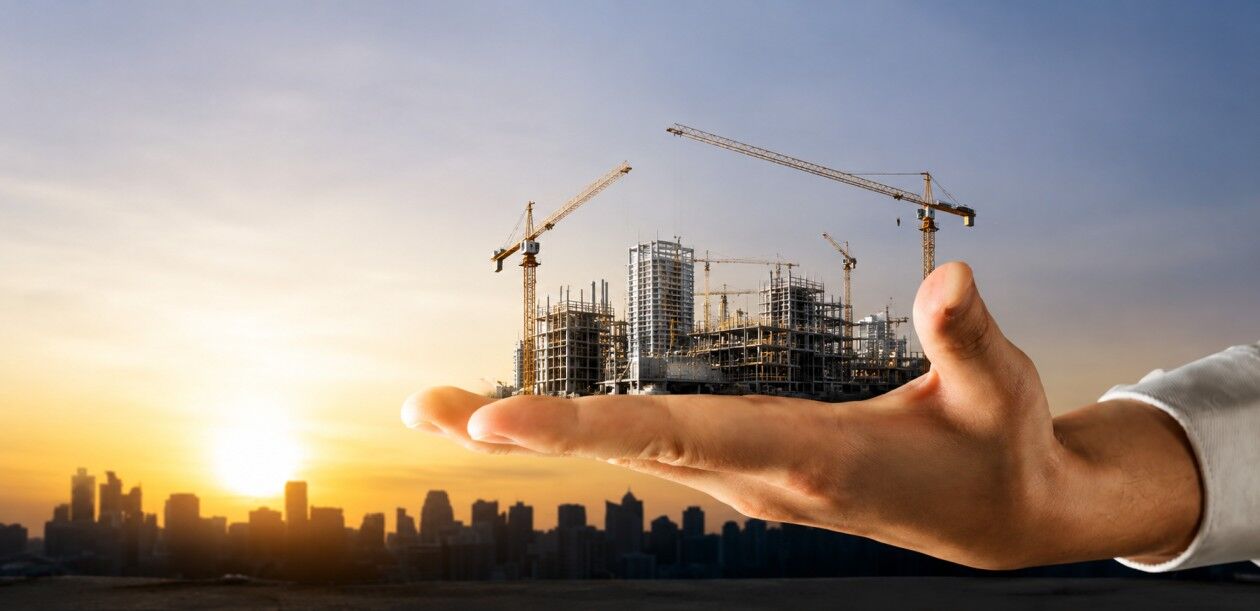
The industrial sector in the UAE is entering a new phase of growth. Large-scale investments in manufacturing, energy, logistics, food processing, and infrastructure are creating opportunities for organizations that can deliver complex projects efficiently and sustainably. In this evolving landscape, industrial construction companies are no longer evaluated solely on their ability to complete projects on time and within budget. Success is increasingly defined by technical expertise, governance, resilience, and digital capabilities.
As industrial facilities become more sophisticated, the role of industrial construction companies in UAE is expanding beyond traditional construction services. Today's contractors are expected to provide integrated solutions that support the entire lifecycle of industrial assets—from engineering and procurement to construction, commissioning, and operational readiness.
Why Specialized Skills Are Shaping the Future of Industrial Construction
The days when project success depended primarily on workforce size are rapidly disappearing. Modern industrial projects require highly specialized capabilities, particularly in sectors such as oil and gas, manufacturing, utilities, and advanced logistics.
Industrial facilities today rely on automation, digital monitoring systems, and precision-engineered equipment that demand skilled professionals capable of handling complex installations and commissioning activities.
To remain competitive, industrial construction companies in UAE are increasingly investing in:
Specialized training and apprenticeship programs.
Certification and competency management systems.
Advanced welding and fabrication capabilities.
Instrumentation and control systems expertise.
Digital tools for quality assurance and field execution.
This trend is particularly visible among industrial construction companies in Dubai, where projects such as automated warehouses, food processing facilities, and smart manufacturing plants require exceptional levels of technical precision and regulatory compliance.
Similarly, construction companies in Ruwais operate in one of the region's most demanding industrial environments. Projects in Ruwais often involve hydrocarbon processing facilities, where construction activities require extensive knowledge of hazardous-area regulations, shutdown management, and complex brownfield modifications.
Governance Is Becoming a Competitive Advantage
As industrial projects become larger and more interconnected, governance has emerged as one of the most important differentiators between successful contractors and average performers.
Today, governance extends far beyond documentation and compliance requirements. It encompasses the systems, processes, and accountability structures that ensure projects are delivered safely, efficiently, and transparently.
Leading industrial construction companies are implementing governance frameworks that include:
Integrated change management processes.
Comprehensive document control systems.
Material traceability and certification management.
Independent quality assurance procedures.
Risk-based inspections and verification activities.
For contracting companies in Ruwais, governance requirements are even more stringent. Projects frequently operate under strict environmental, safety, and operational standards that demand complete compliance throughout every project phase.
Organizations that establish robust governance systems benefit from:
Reduced project risks.
Lower rework costs.
Faster approvals.
Improved asset reliability.
Enhanced client confidence.
In today's industrial environment, strong governance is no longer an administrative requirement—it is a strategic business capability.
Why Resilience Matters More Than Ever
The global business environment has highlighted the importance of resilience in industrial project delivery. Supply chain disruptions, labor shortages, regulatory changes, and extended equipment lead times have fundamentally changed how projects are planned and executed.
As a result, industrial construction companies in UAE are increasingly adopting strategies that improve project resilience and minimize operational disruptions.
These strategies include:
Early Procurement and Dual Sourcing
Long-lead equipment can significantly impact project schedules. Contractors are reducing these risks by diversifying suppliers and securing critical equipment earlier in the project lifecycle.
Modular Construction and Off-Site Fabrication
Prefabrication allows components to be manufactured and tested in controlled environments before being transported to the site, reducing schedule risks and improving quality.
Scenario-Based Planning
Advanced project planning tools allow organizations to simulate various scenarios, including manpower shortages, equipment delays, and outage constraints.
Resilient project execution not only protects schedules but also improves commissioning outcomes, reduces lifecycle costs, and enhances long-term asset performance.
Digital Transformation Is Redefining Industrial Construction
The construction industry is undergoing a digital transformation that is fundamentally changing the way projects are designed, executed, and handed over.
Modern industrial construction companies are embracing digital technologies that improve collaboration, reduce risks, and increase operational visibility.
Key technologies shaping the future include:
Laser Scanning and Point Cloud Modelling
These technologies allow teams to capture accurate site information and reduce unforeseen issues during brownfield modifications.
Building Information Modelling (BIM)
BIM provides a centralized digital representation of facilities, enabling better planning, coordination, and decision-making.
Digital Construction Management Platforms
Cloud-based systems provide real-time insights into:
Construction progress
Material availability
Workforce productivity
Safety performance
Quality metrics
Digital Asset Information Systems
Digital records containing equipment documentation, calibration certificates, warranties, and maintenance information significantly improve project handovers and operational readiness.
For industrial construction companies in Dubai and industrial facilities in Ruwais, digital technologies have become essential tools for delivering complex projects with greater efficiency and certainty.
Safety Culture Is Evolving Beyond Compliance
Safety has always been a cornerstone of industrial construction. However, the industry's approach to safety is evolving from compliance-based programs to proactive, behavior-driven strategies.
Leading industrial construction companies are increasingly focusing on:
Near-miss reporting.
Workforce engagement metrics.
Fatigue management.
Predictive risk assessments.
Robotics and remote inspection technologies.
Construction Companies in Ruwais often operate in highly regulated environments where activities such as hot work, confined space entry, and hydrocarbon isolation require rigorous controls and continuous monitoring.
By fostering a strong safety culture, organizations can protect workers while maintaining productivity and project