Product Overview
(i) Standard PIR Motion Sensor Bulb: Operates using Passive Infrared thermal sensing, designed for open fixtures, hallways, and staircases where line-of-sight is unobstructed.
(ii) Radar Motion Sensor Bulb: Uses high-frequency microwave radar signals that pass through glass globes, plastic shades, and windows to provide 360-degree detection.
(iii) Day/Night Photocell Sensor Bulb: Integrates an ambient light sensor alongside motion detection to ensure the light activates exclusively in dark environments, avoiding daytime energy waste.
(iv) Universal Socket Retrofit Bulbs (B22 & E27): Designed to replace regular bulbs in existing Indian ceiling or wall holders without requiring extra wiring or hub connections.
Do Motion Sensor Bulbs Work Through Glass?
Understanding how motion sensor bulbs work through glass requires looking at how the two primary sensor technologies interact with solid glass barriers.
PIR Sensor Bulbs & Glass Barriers
(i) Thermal Signal Blocking: PIR sensors operate by detecting shifts in far-infrared thermal radiation (body heat) emitted by humans or animals moving across their field of view.
(ii) Glass Reflection: Standard glass acts as an insulator and reflector for thermal infrared radiation. When a person moves behind a glass window, shower partition, or enclosed glass globe, the heat signature is absorbed or reflected back by the glass, leaving the PIR sensor blind.
(iii) Best Use Case: Open ceiling fixtures, bare sockets, or downward-facing lamps where the sensor dome has a direct, uninhibited line of sight.
Microwave Radar Bulbs & Glass Barriers
(i) Electromagnetic Wave Penetration: Microwave radar bulbs continuously emit low-power, high-frequency radio waves (around 5.8 GHz) and track changes in frequency caused by moving objects.
(ii) Passing Through Glass: Unlike thermal radiation, microwave radio waves pass through thin, non-metallic materials such as clear glass, frosted glass, acrylic, and thin drywall effortlessly.
(iii) Best Use Case: Fully enclosed glass globes, covered outdoor wall sconces, shower enclosures, or windows where you want to detect movement outside while keeping the bulb protected.
Practical Placement Tips for Glass Fixtures & Enclosures
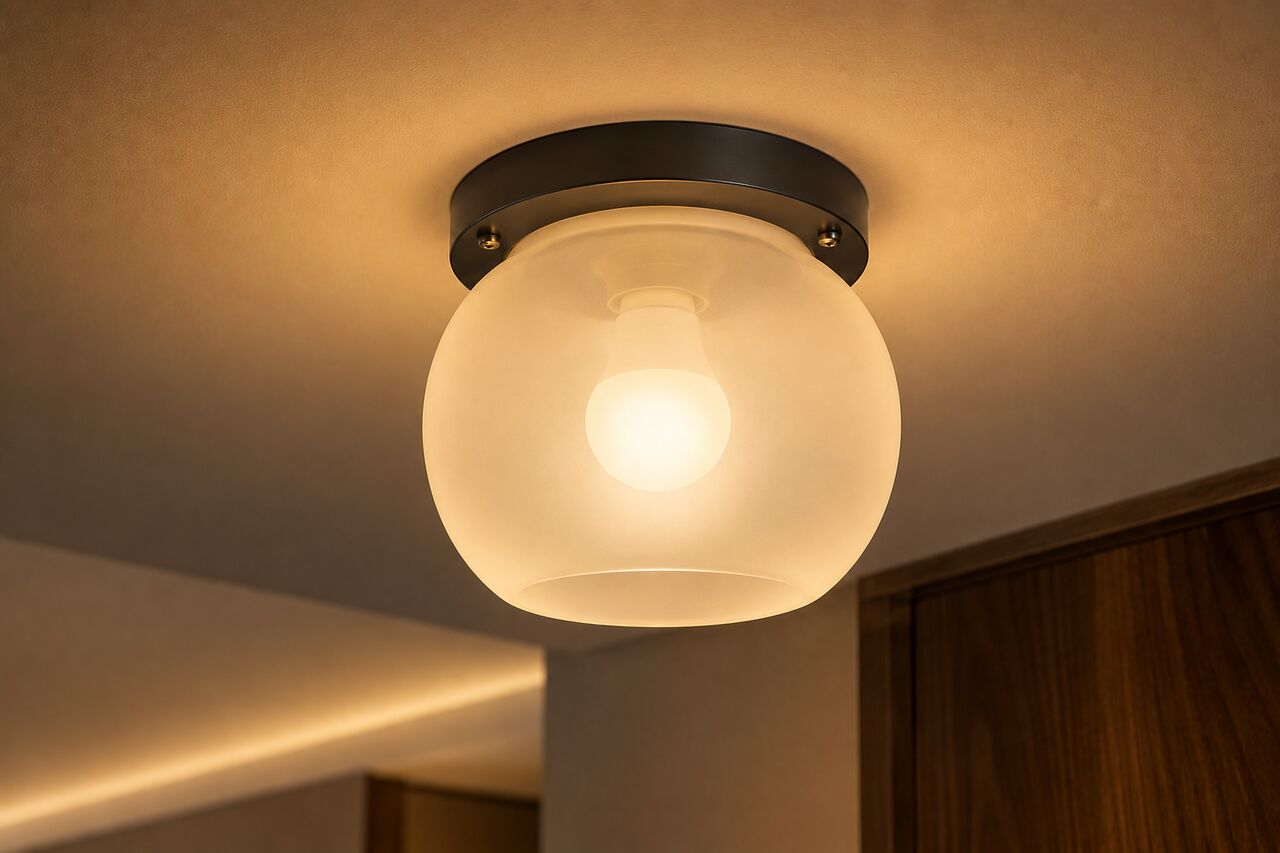
(i) Avoid Sealed Glass Globes for PIR: If your lighting fixture features a fully enclosed glass dome or frosted globe, avoid standard PIR bulbs. Select a microwave radar sensor bulb instead so the light triggers reliably through the enclosure.
(ii) Balcony & Patio Glass Doors: If you want exterior balcony lighting to switch on when someone approaches from inside a sliding glass door, a microwave radar bulb is essential to penetrate the glass barrier.
(iii) Bathroom Shower Partitions: Glass shower doors block PIR sensors mounted near the vanity mirror. Installing a microwave radar bulb ensures illumination remains active while taking a shower behind glass.
(iv) Consider Glass Thickness: Single-pane glass windows and standard light shades present no issue for radar bulbs. However, extremely thick double-glazed insulated windows or leaded glass can attenuate radar signals slightly.
Key Advantages of Choosing the Right Sensor for Glass Enclosures
(i) Uninterrupted Automation: Prevents annoying dead zones where lights fail to activate because a glass fixture shade blocked the sensor.
(ii) All-Weather Weatherproofing: Allows you to enclose radar bulbs inside sealed, IP-rated weatherproof glass housing outdoors without losing motion sensitivity.
(iii) Zero Daytime Waste: Both sensor types, when paired with Day/Night photocells, stay dormant during daytime hours even when natural sunlight streams through nearby glass windows.
(iv) Effortless Upgrade: Fits directly into standard B22 and E27 holders behind existing decorative glass light fixtures without electrical modifications.
Frequently Asked Questions (FAQ)
Q: Do motion sensor bulbs work through glass?
A: It depends on the technology. Passive Infrared (PIR) sensor bulbs do not work through glass because glass blocks body heat radiation. Microwave radar sensor bulbs do work through clear, frosted, or tempered glass because radar waves penetrate non-metallic solid barriers effortlessly.
Q: Why doesn't a standard PIR motion sensor bulb work behind glass?
A: PIR sensors work by measuring changes in infrared thermal radiation (body heat). Because standard glass acts as an infrared insulator and reflector, body heat never reaches the sensor lens inside the bulb casing.
Q: Which motion sensor bulb is best for enclosed glass light fixtures?
A: A microwave radar motion sensor bulb is the best choice for enclosed glass globes and covered light shades. It radiates signals across 360 degrees and triggers reliably through glass without needing an exposed sensor dome.
Q: Can a microwave radar motion sensor bulb detect motion through drywall or doors?
A: Yes, high-frequency microwave radar waves can penetrate light drywall, wood doors, glass windows, and plastic partitions. If you want to restrict detection strictly inside a small room without triggering through walls, choose an open-fixture PIR bulb instead.
People Also Ask
Q: Can a motion sensor light bulb detect motion through a glass window?
A: Standard Passive Infrared (PIR) motion bulbs cannot detect movement through a glass window because glass reflects thermal infrared radiation emitted by body heat. However, microwave radar motion sensor bulbs emit electromagnetic waves that pass through glass windows easily, allowing them to detect outside movement.
Q: Will a motion sensor bulb work inside a frosted glass globe fixture?
A: If the light fixture uses a standard PIR motion sensor bulb, the glass globe blocks the heat signature of anyone walking nearby, preventing the light from turning on. To ensure reliable activation inside an enclosed glass shade or fixture, use a microwave radar motion sensor bulb instead.
Q: What is the difference between PIR and radar motion sensor bulbs for glass enclosures?
A: PIR bulbs rely on line-of-sight thermal heat detection and fail behind glass or plastic covers. Microwave radar bulbs use high-frequency radio waves (5.8 GHz) that penetrate glass, acrylic, and thin partitions, making them ideal for fully enclosed decorative light fixtures.
Recommended Resources & Next Steps
To gain deeper technical insights into sensor range calibration and installation tips, check out our Motion Sensor Bulb Complete Guide. Ready to upgrade your enclosed light fixtures with reliable smart lighting? Explore the full collection directly at the Esysense Motion Sensor Bulbs.
Written from direct product testing and manufacturer specifications by Esysense Tech Innovations Pvt. Ltd., Noida, India. All prices, specs and model references are verified against live product listing