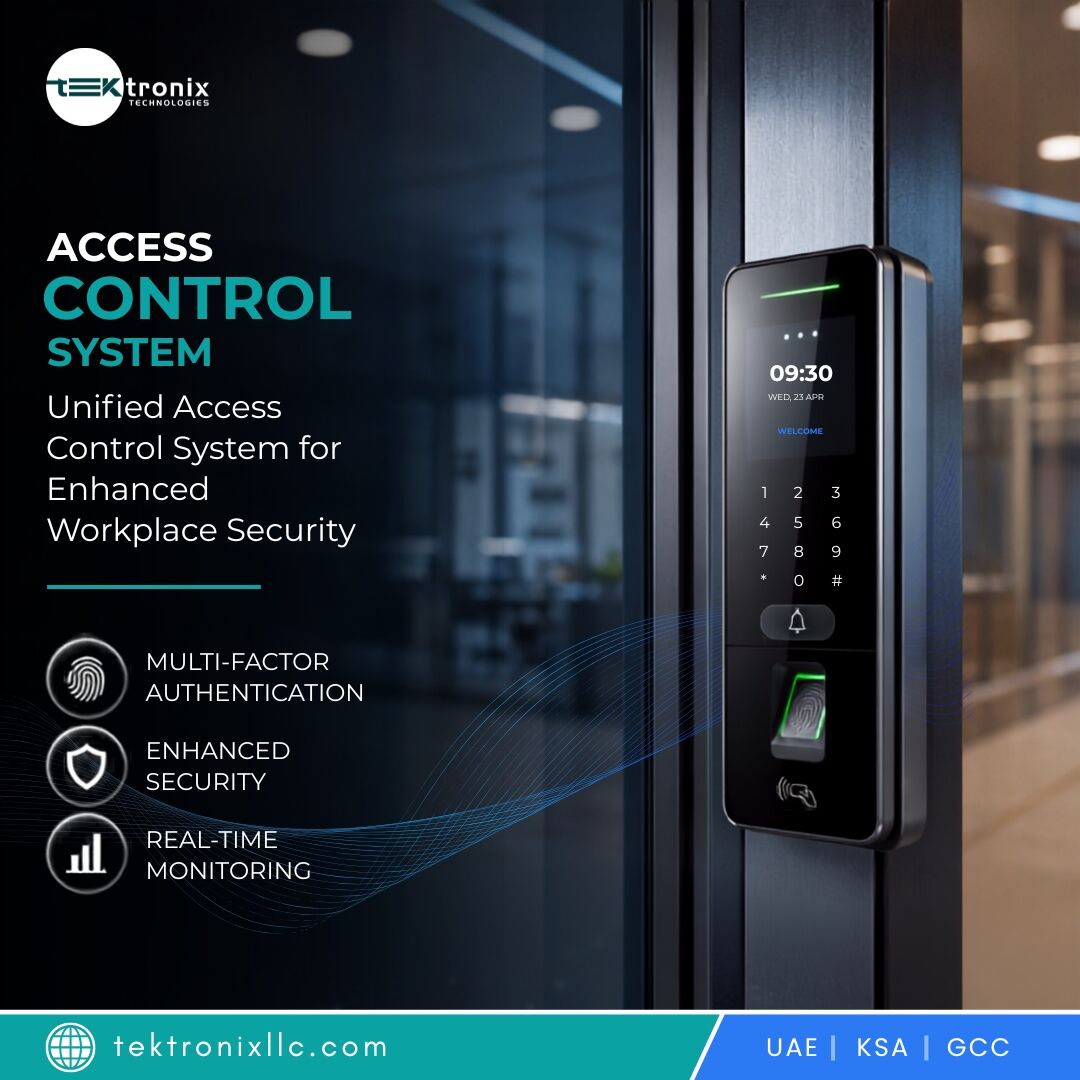
As Oman's healthcare sector continues expanding alongside broader Gulf investment in modern medical infrastructure, hospitals are replacing outdated lock-and-key systems with intelligent, networked security. The right platform creates a complete audit trail, integrates with visitor management and turnstile hardware, and gives facility managers real-time visibility across every entry point on a hospital campus.
Why Healthcare Facilities Need a Different Approach to Access Control
A hospital is one of the few building types where a security failure can directly threaten patient safety rather than simply representing a financial or reputational risk. Restricted wards, medication stores, and server rooms holding electronic health records all require strict, provable control over who has entered and when. Traditional metal keys offer none of this — they can be copied, lost, or shared, and they leave no record of use.
Digital access systems solve this by assigning every staff member, contractor, and department a unique, revocable credential. If an employee leaves or a badge is lost, access can be disabled instantly across every door, without the cost and disruption of rekeying locks. For hospital compliance teams across Oman and the wider region, this also means every entry event into a sensitive area is logged and available for audit.
Security Access Control System for Layered Hospital Protection
A well-designed Security Access Control System applies different verification levels to different parts of the campus — simple card access for general staff corridors, biometric checks for clinical zones, and dual-factor authentication for data centers and controlled-drug storage. This layered approach ensures security is proportional to risk rather than uniformly applied everywhere.
Door Access Control for Wards, Pharmacies, and Server Rooms
At the individual door level, Door Access Control hardware — electric strikes, magnetic locks, and networked readers — enforces the access policy set centrally by hospital administration. Each door can carry its own schedule, so a pharmacy store might automatically lock outside business hours while a ward entrance remains accessible to on-duty staff around the clock.
Mobile Access Control for Staff Convenience and Flexibility
Increasingly, hospital staff across Oman and the GCC are moving away from physical cards altogether. Mobile Access Control lets clinical and administrative employees unlock approved doors directly from a smartphone app using Bluetooth or NFC, reducing the operational burden of issuing, replacing, and deactivating physical badges — particularly useful for large hospital campuses with high staff turnover or rotating shift workers.
Access Control System Oman: Regional Deployment and Compliance Considerations
Deploying an Access Control System Oman-wide involves accounting for the Sultanate's specific regulatory landscape, hardware built to handle high ambient temperatures common across the region, and integration with the visitor management and turnstile systems increasingly common across Muscat's growing network of government and private healthcare facilities.
For healthcare groups expanding across multiple sites within Oman, a scalable access control platform allows security teams to centralize management under a single dashboard, monitoring and adjusting access policy across every facility without visiting each location individually.
Access Control System GCC: Supporting Multi-Country Healthcare Networks
Healthcare groups operating across several Gulf markets need an Access Control System GCC-wide deployment capable of supporting consistent clinical security policy across borders, while still accommodating the specific regulatory nuances that can differ meaningfully between individual GCC countries' healthcare compliance frameworks.
Choosing a vendor with genuine cross-border GCC healthcare deployment experience matters considerably here, since a platform proven only in general commercial settings may not translate smoothly to the specific clinical workflow and compliance demands healthcare facilities present, regardless of which particular Gulf country they operate within.
Why Healthcare Facilities Across Oman and the GCC Trust Tektronix
Tektronix has deployed biometric and networked access control infrastructure across hospitals and healthcare facilities throughout Oman and the wider GCC, giving the team direct, hands-on experience with the regulatory and operational demands of Gulf healthcare environments. Every project is supported end-to-end, from initial site survey and clinical zone risk assessment through installation, staff training, and ongoing local maintenance.
For healthcare administrators across Muscat and the wider Gulf region evaluating biometric access control solutions for hospital campuses, this regional deployment history means fewer integration surprises, faster commissioning, and a support team already familiar with how Omani and GCC healthcare facilities operate day to day.
Conclusion
Access Control System technology protects patients across Oman and GCC healthcare facilities without disrupting clinical care. A Biometric Access Control System secures operating theatres and pharmacy stores, while layered Security Access Control System design, reliable Door Access Control, and Mobile
Access Control support daily hospital operations. The right Access Control Device and complete Access Control Solutions drive demand for Access Control System Oman and Access Control System GCC healthcare deployments.
Access Control System
Access Control Device
Biometric Access Control System