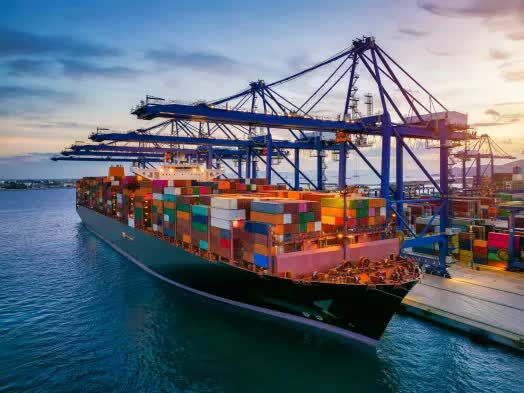
A successful shipment usually involves route planning, suitable freight selection, documentation, cargo handling, customs procedures, and final delivery coordination.
Choosing the Right Shipping Method
The best transportation method depends on the type of cargo, destination, urgency, and budget.
Sea Freight
Sea freight is commonly used for vehicles, machinery, commercial goods, and larger consignments. Container shipping can provide protection for suitable cargo, while RoRo transportation is often considered for vehicles.
Air Freight
Air cargo can be useful when delivery speed is a priority. It is generally more suitable for smaller or time-sensitive shipments where faster transportation is more important than minimizing freight costs.
Land Transportation
Road transportation can connect warehouses, ports, businesses, and final delivery locations. It is also an important part of many international shipping journeys before or after sea or air transportation.
Shipping Vehicles Internationally
Vehicle shipping requires additional planning because cars need to be collected, inspected, transported, loaded securely, and processed through the relevant port and customs procedures.
Depending on the route, customers may choose container shipping or RoRo transportation. Vehicle dealers in particular may need a reliable process for moving multiple cars between international markets.
The Importance of Documentation
International cargo movement involves paperwork that varies according to the shipment and destination. Commercial invoices, packing lists, bills of lading, vehicle documents, and customs-related paperwork may be required.
Preparing documents correctly before shipment can help reduce avoidable delays.
A Step-by-Step Shipping Process
A typical international shipment can follow these stages:
Shipment assessment – Identify the cargo, origin, destination, dimensions, and requirements.
Route planning – Select a suitable transportation method and shipping route.
Documentation – Prepare the required shipping and customs documents.
Collection – Move the cargo from the origin address to the relevant facility or port.
International transportation – Ship the cargo by sea, air, or land.
Customs procedures – Complete the required destination formalities.
Final delivery – Arrange transportation to the customer's destination.
Working With an Experienced Shipping Provider
A professional shipping company can help coordinate the different stages of an international shipment. This is particularly valuable when a shipment involves vehicles, commercial cargo, multiple destinations, or complex delivery requirements.
ReefShipping provides international cargo and vehicle shipping support from Dubai and the UAE, helping coordinate transportation, cargo handling, documentation, and delivery requirements.
Final Thoughts
International shipping works best when every stage is considered before the cargo begins its journey. Selecting the appropriate freight method, preparing documents in advance, understanding destination requirements, and maintaining communication throughout the shipment can make international logistics more organized.
For businesses importing or exporting through Dubai, a structured shipping process can provide greater visibility from collection to final delivery.