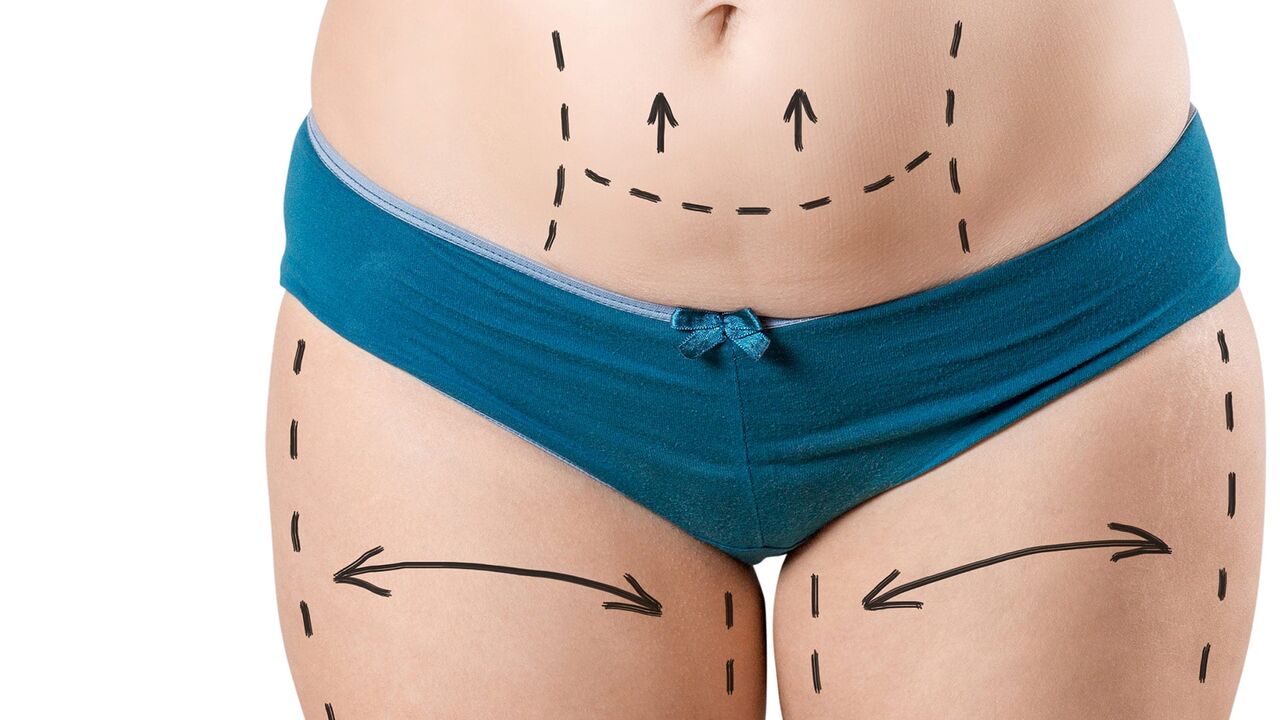
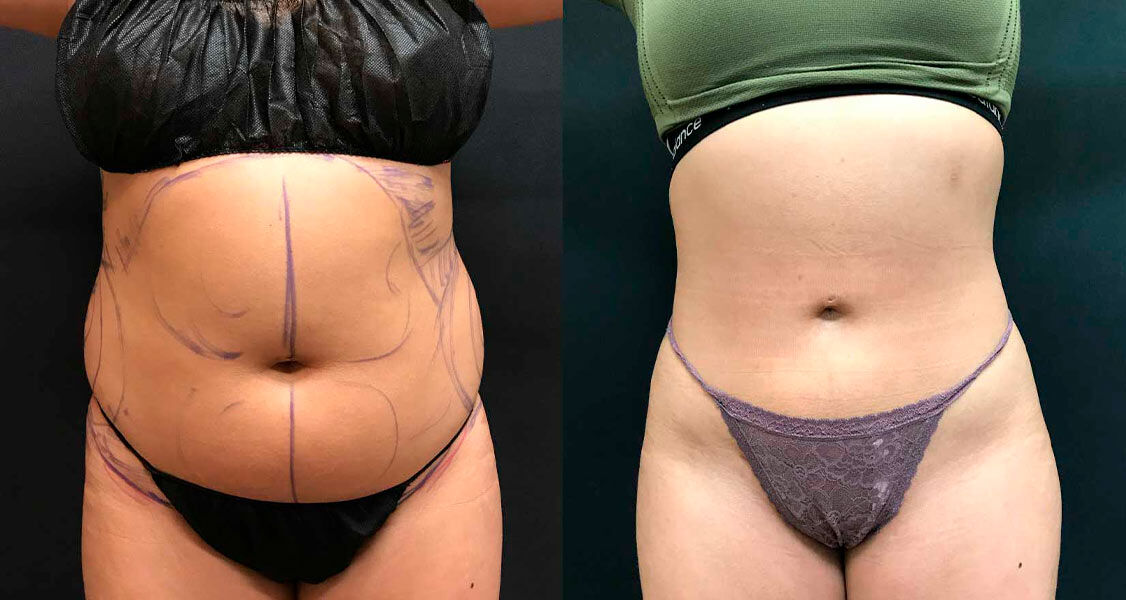
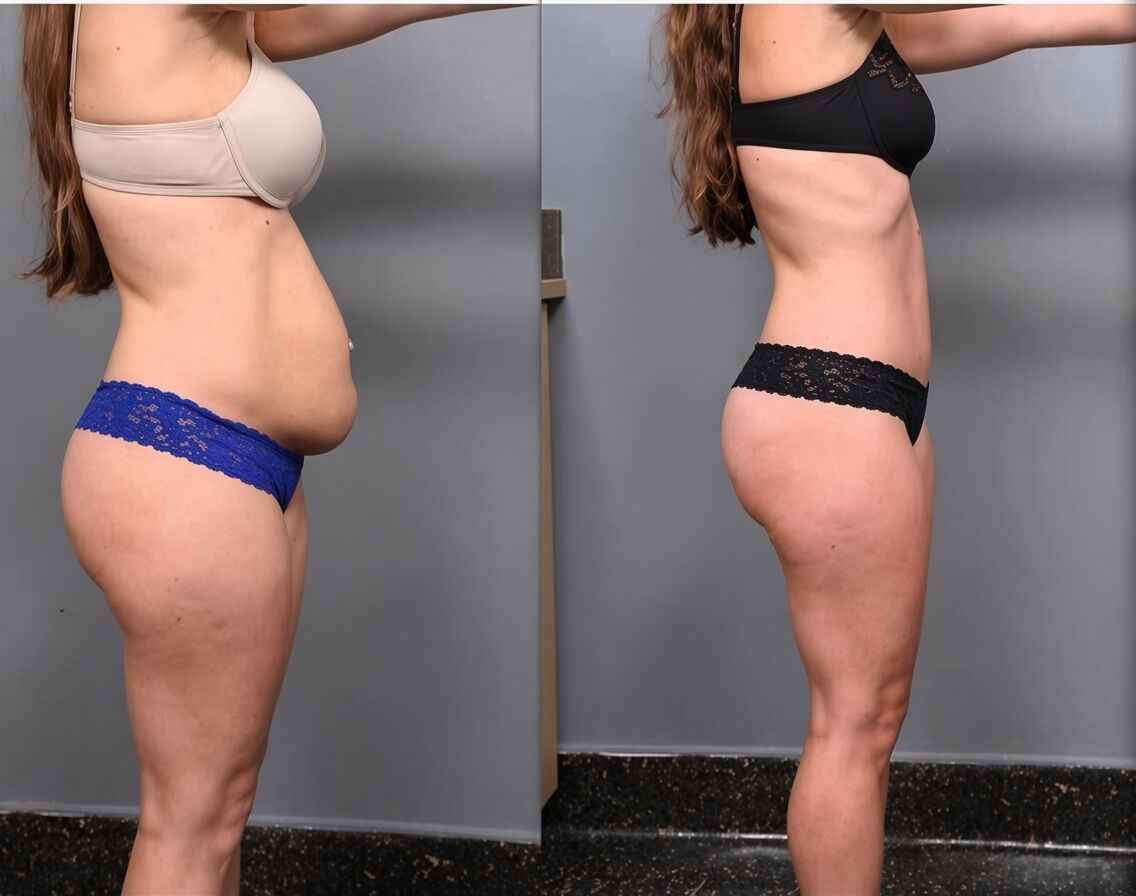
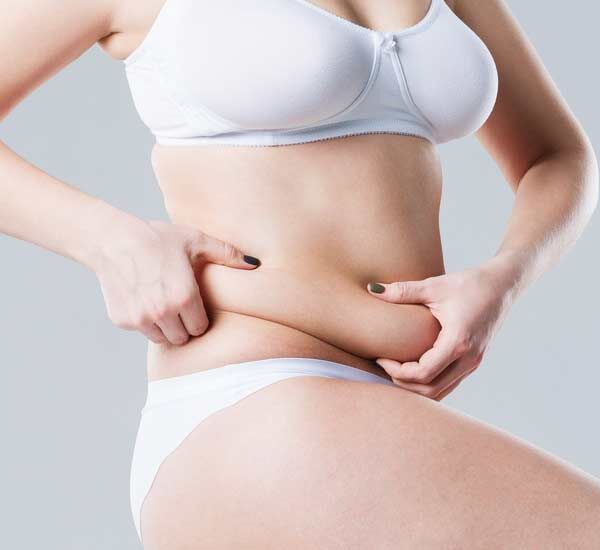
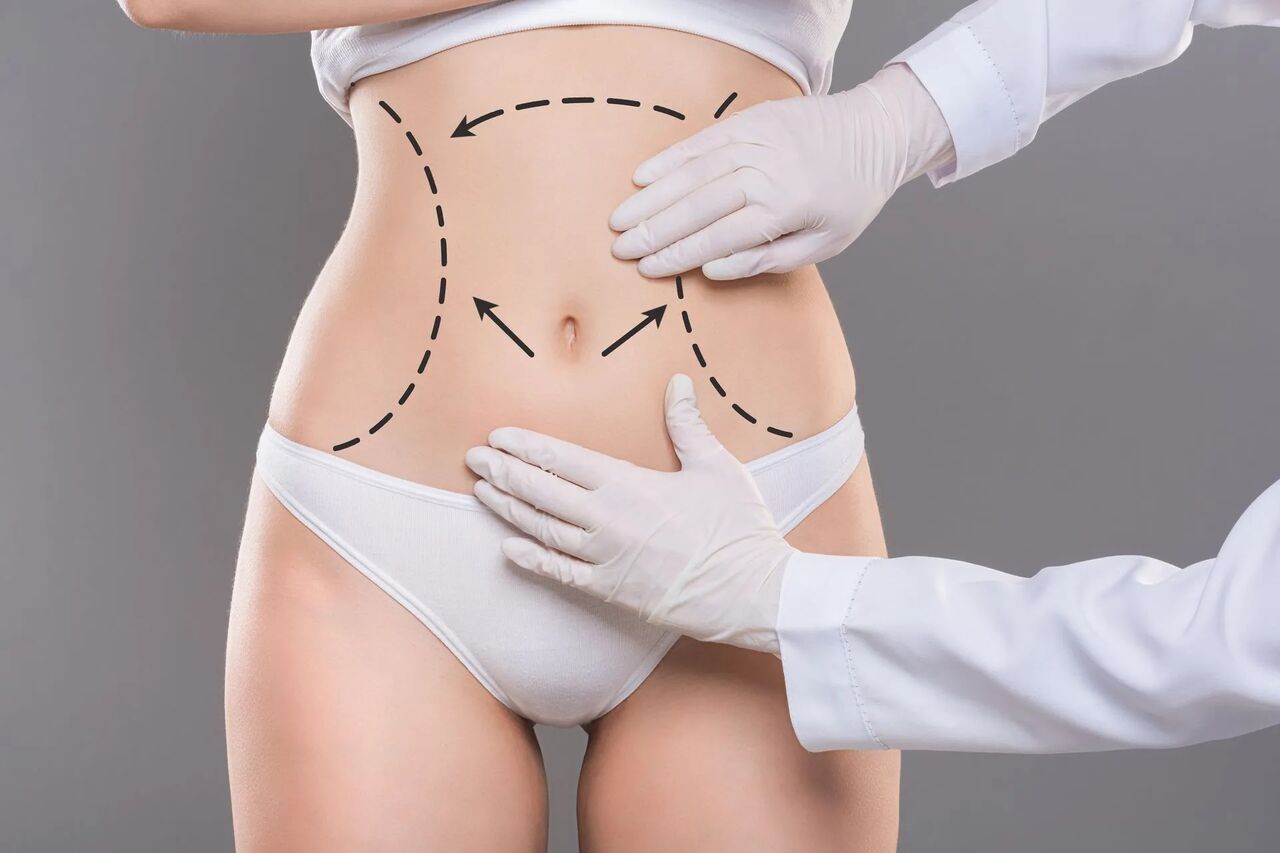
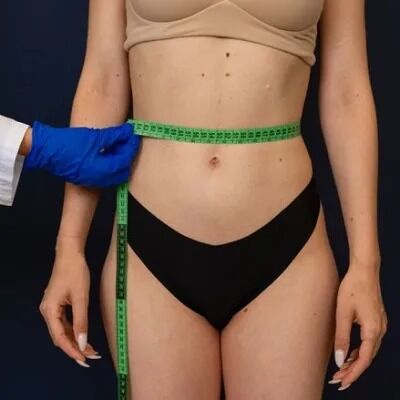
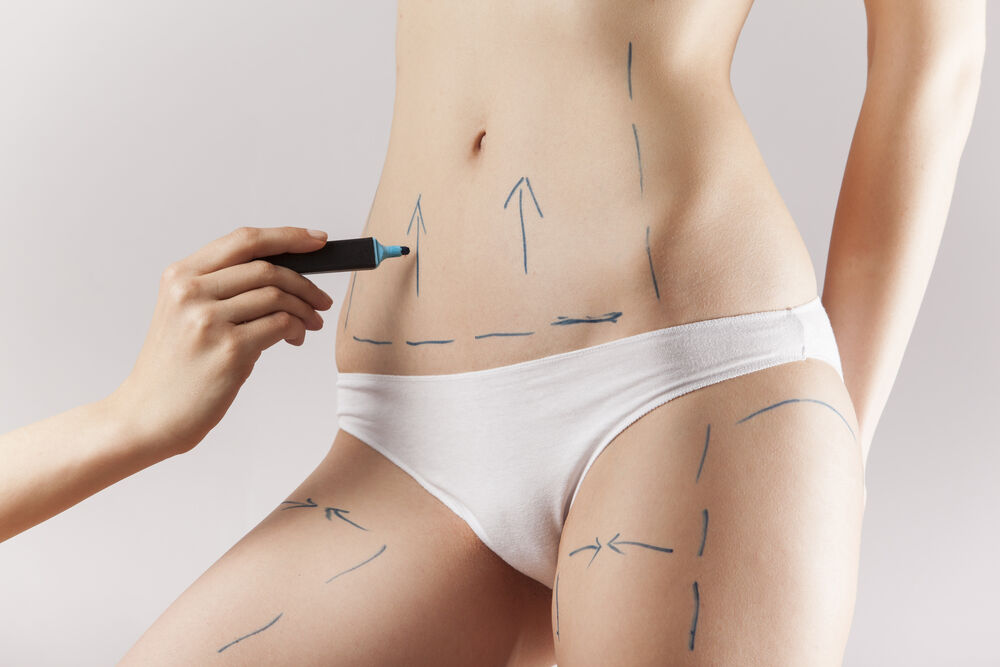
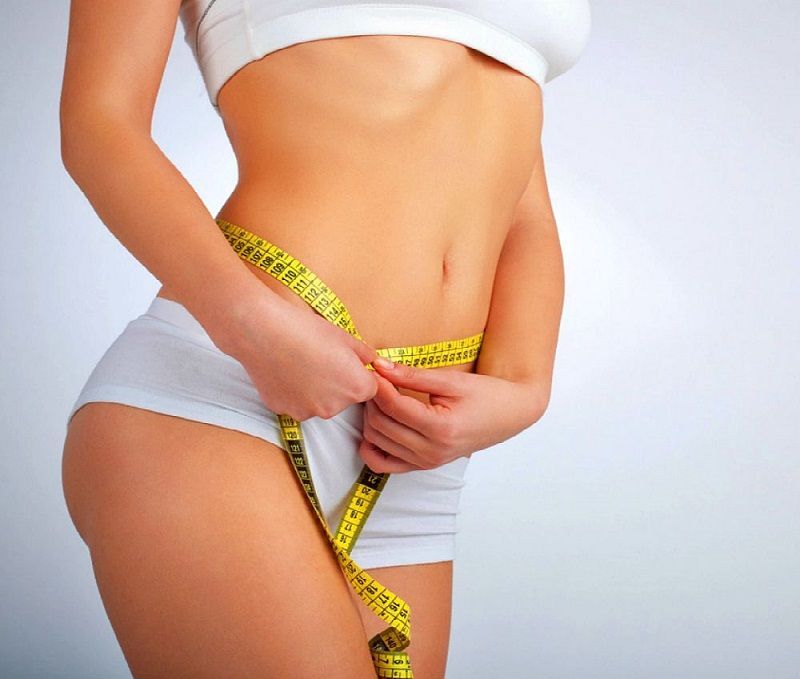
This is where the difference between weight loss and body contouring becomes important. Liposuction in Islamabad is designed to reshape specific areas of the body rather than act as a general weight-loss treatment, making it a different option with a different purpose.
Weight Loss and Body Contouring Are Not the Same
Weight loss generally means reducing overall body weight, often through changes in diet, physical activity, and lifestyle. As your weight changes, fat may decrease from several areas of the body, but the process is not necessarily even.
Body contouring focuses on shape and proportion rather than the number on the weighing scale. A person may be close to their preferred weight but still have localized pockets of fat that affect the way certain areas look.
Understanding this distinction can help patients develop more realistic expectations before considering a cosmetic procedure.
What Is Liposuction?
Liposuction is a surgical body-contouring procedure that removes unwanted fat from selected areas. It is generally used when localized fat deposits remain despite appropriate lifestyle efforts.
The purpose is targeted reshaping, not treating obesity. By reducing fat in carefully selected areas, liposuction may help create smoother contours and improve the relationship between different parts of the body.
The procedure can be considered for several areas depending on the patient's anatomy, goals, and suitability for surgery.
Liposuction in Islamabad: Which Areas Can Be Contoured?
The areas treated depend on individual needs and the amount and distribution of localized fat. A consultation is important because not every area is suitable for the same technique or treatment plan.
Common areas considered for Liposuction in Islamabad may include:
Abdomen and lower abdomen
Waist and flanks
Thighs
Arms
Back
Hips
Chin and selected areas under the jaw
Other localized areas where excess fat affects body contours
The objective is generally to create a more balanced shape rather than remove as much fat as possible.
Why Doesn't Exercise Always Remove Stubborn Fat?
Exercise can improve muscle strength, fitness, and overall body composition, but it cannot guarantee where the body will lose fat first. Genetics, hormones, age, and natural fat distribution can all influence how different areas respond to weight changes.
Some localized fat deposits can remain even when a person is active and maintains a relatively stable weight. This is one reason body-contouring procedures may be considered by people who are already making healthy lifestyle choices.
However, liposuction should not replace a balanced diet or regular physical activity.
Is Liposuction a Weight-Loss Procedure?
This is one of the most important points for patients to understand. Liposuction removes a controlled amount of fat from specific areas, but it is not intended to produce the same type of overall weight reduction achieved through a dedicated weight-management programme.
The scale may change after liposuction, but body shape is usually the main focus. Patients should therefore evaluate potential results by looking at contour, proportion, and the appearance of the treated areas rather than expecting a dramatic change in total body weight.
This distinction also helps prevent unrealistic expectations about what the procedure can accomplish.
What Happens When You Lose a Lot of Weight?
Significant weight loss can produce changes beyond fat reduction. Some people may experience loose or stretched skin, particularly around the abdomen, arms, thighs, or other areas.
Removing fat does not automatically tighten loose skin. Depending on the patient's circumstances, a surgeon may discuss whether another body-contouring procedure is more appropriate when excess skin is a major concern.
For some patients, the treatment plan may involve a combination of approaches, while others may benefit from focusing on one specific concern.
How Does Body Shape Influence the Result?
Two people with the same body weight can have very different body shapes. One may carry more fat around the abdomen, while another may naturally store more around the hips or thighs.
Liposuction planning is therefore based on body proportions, not simply weight. The surgeon considers where fat is located, how much correction is appropriate, and how the treated area will relate to surrounding areas.
This personalised approach can help avoid an uneven or disproportionate appearance.
Why Stable Weight Can Matter
Patients are generally encouraged to have realistic and stable expectations about their weight before elective body-contouring surgery. Significant future weight changes can alter the appearance of the treated and untreated areas.
Liposuction works best as part of a broader approach to maintaining a healthy lifestyle. It can address selected fat deposits, but it does not prevent new fat accumulation if a person gains substantial weight later.
Maintaining consistent habits after treatment can therefore help preserve the overall contour.
Does Liposuction Build Muscle Definition?
Liposuction removes fat, but it does not create muscle. If someone wants a visibly athletic appearance, developing muscle through resistance training and maintaining an appropriate level of body fat are separate parts of that goal.
Body contouring can sometimes make existing contours more visible by reducing superficial fat. The final appearance still depends on the patient's natural muscle structure, skin quality, fat distribution, and lifestyle.
This is why patients should discuss their actual aesthetic goal rather than simply asking for maximum fat removal.
What About Skin Elasticity?
Skin elasticity can influence how an area looks after fat removal. Younger or more elastic skin may adapt differently from skin that has experienced significant stretching, ageing, or substantial weight changes.
Liposuction removes fat, but the skin must respond to the new underlying contour. If significant loose skin is present, liposuction alone may not provide the desired result.
A physical examination allows the surgeon to evaluate skin quality and discuss realistic expectations before treatment.
Recovery After Liposuction
Recovery varies according to the treatment area, amount of fat removed, surgical technique, and individual healing. Swelling, bruising, and temporary discomfort can occur during the early recovery period.
The final contour does not appear immediately. As swelling gradually decreases, the shape of the treated area becomes clearer over time.
Patients should follow their surgeon's instructions regarding activity, compression garments, wound care, and follow-up appointments.
Who May Consider Liposuction?
Liposuction may be considered by adults who are bo