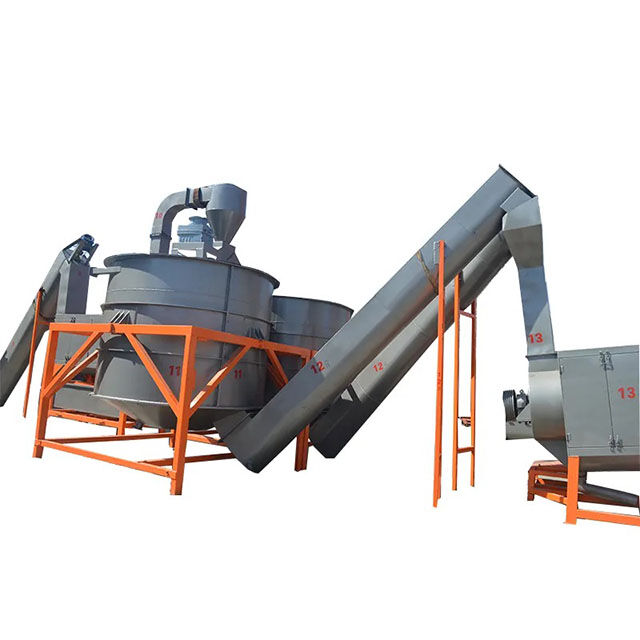
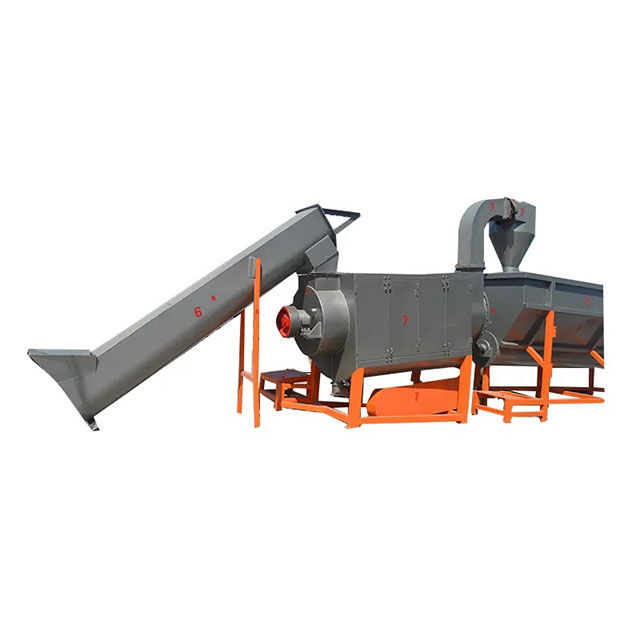
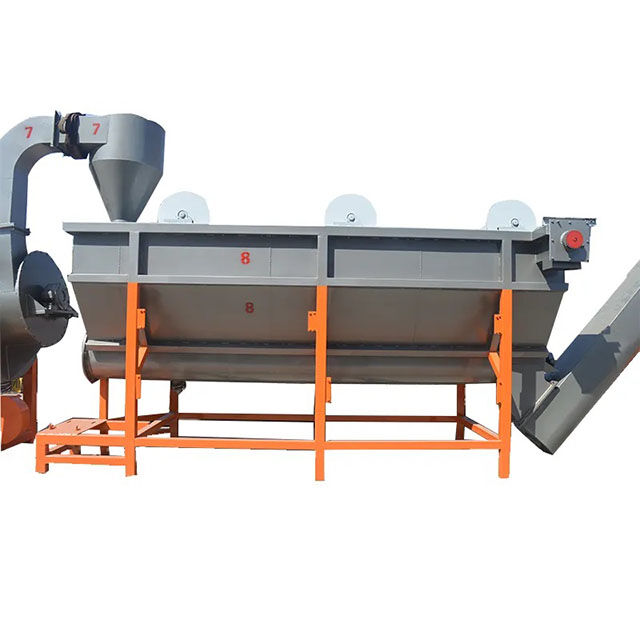
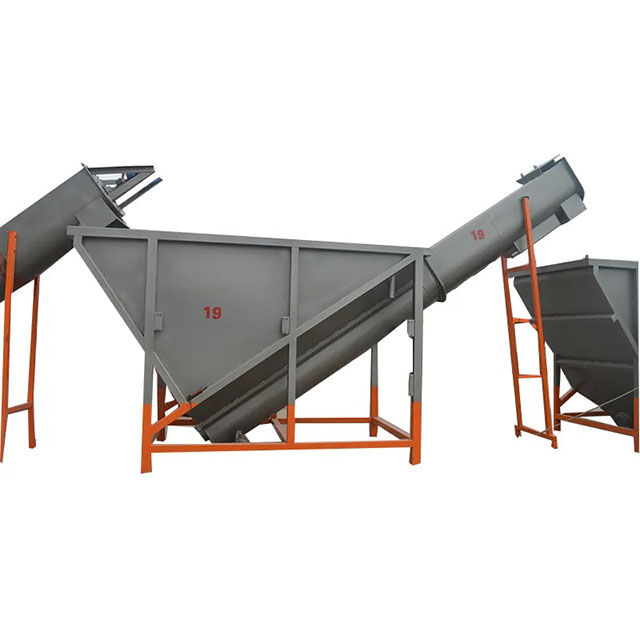
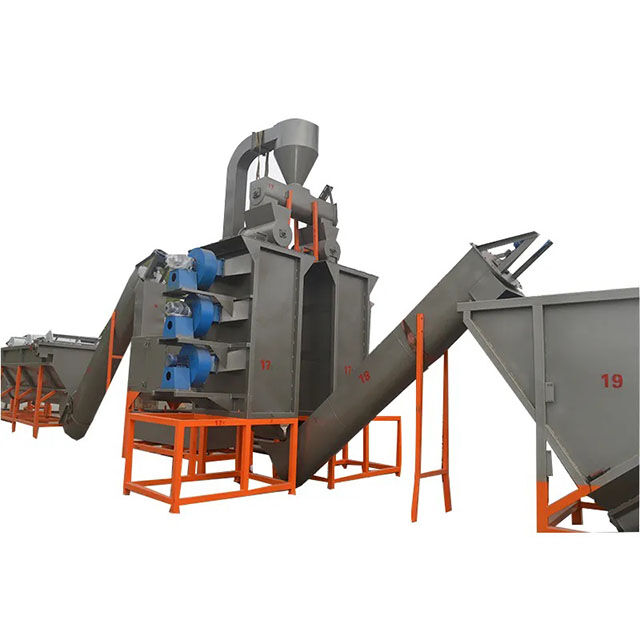
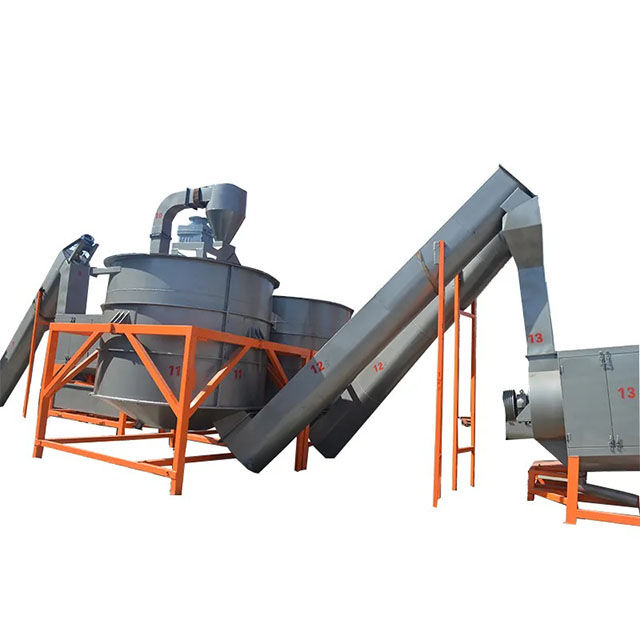
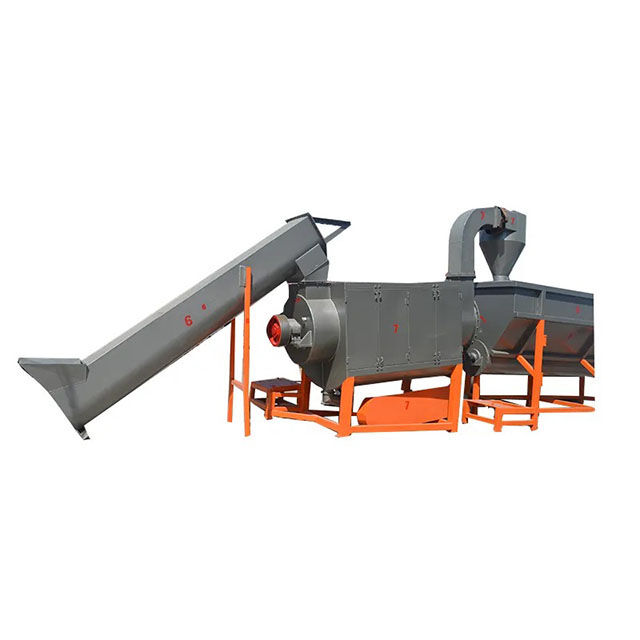
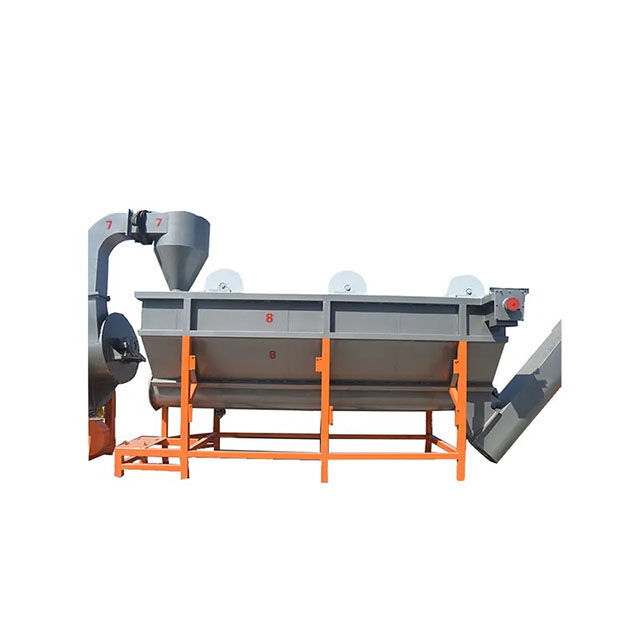
Designed for reliable,continuous operation,the fibre grade pet bottle washing line combines sorting,size reduction,washing,separation,drying, and packaging processes into a streamlined recycling line.Depending on the required output quality and end-use application,the plant can be configured to produce washed pet flakes suitable for fiber production,strapping,sheet extrusion,injection molding,and other plastic manufacturing processes.
Key Features
- Complete pet recycling solution from baled bottles to clean pet flakes
- High-efficiency bottle processing for post-consumer and post-industrial pet waste
- Advanced washing system for removing dirt,beverage residue,labels, adhesives,and other contaminants
- Effective separation of pet from non- pet materials,including caps,rings,labels,and other plastics
- Adjustable crushing and flake sizing for consistent material output
- Hot washing capability for improved removal of oil,glue,and stubborn contaminants
- Efficient friction washing to improve flake cleanliness
- Centrifugal and thermal drying systems for reduced moisture content
- Modular design for easy installation,expansion,maintenance,and customization
- Continuous operation for commercial and industrial recycling applications
- Energy- and water-conscious design with optional water circulation and filtration systems
- Automated control system for monitoring production parameters and operating conditions
- Durable construction using wear-resistant materials in high-contact areas
Typical Recycling Process
1. Bottle Bale Opening
Compressed pet bottle bales are loaded into the bale opener.The fibre grade pet bottle recycling line loosens and distributes the bottles to create a steady,controlled material flow into the sorting section.
2. Pre-Sorting
Large contaminants and unwanted materials are manually or automatically removed.This stage may include the separation of metals,pvc bottles,pe containers,stones,textiles,and other non-pet items.
3. Label and Cap Separation
A label remover machine separates loose and attached labels from the bottles.Air separation and screening systems help remove lightweight materials such as labels,films,bottle caps,and rings.Caps and closures are typically collected as a separate polyolefin stream for further processing.
4. Bottle Crushing
The sorted pet bottles are fed into a heavy-duty plastic crusher machine or plastic recycling granulator machine,where they are reduced into uniform flakes.Consistent flake size improves washing efficiency and supports stable downstream processing.
5. Pre-Washing
Pre-washing removes loose dirt,sand,beverage residue,and other surface contaminants before the material enters the main washing stages.This helps protect downstream equipment and improves overall cleaning performance.
6. Hot Washing
For applications requiring higher-quality flakes,the plant may include a hot washing system.Heated water and approved cleaning agents help remove oils,adhesives,grease,food residue,and other difficult contaminants from the pet flakes.
7. Friction Washing
High-speed friction washers scrub the flakes against one another and against the washing chamber to remove remaining dirt and surface impurities.This stage significantly improves the cleanliness of the final recycled material.
8. Float-Sink Separation
A separation tank uses differences in material density to separate pet flakes from caps,closures,labels,and other plastics.Pet typically sinks,while lighter polyolefin materials float and are removed from the process.
9. Rinsing and Dewatering
Clean flakes are rinsed to remove residual detergents and contaminants.Centrifugal dewatering equipment then removes excess water before the material enters the drying section.
10. Drying
Thermal or hot-air drying reduces the moisture content of the pet flakes.Proper drying improves storage stability and helps prepare the flakes for use in further manufacturing processes.
11. Final Separation and Quality Inspection
Optional air classifiers,zigzag separators,metal detectors,and optical sorting systems can be installed to remove remaining labels,dust,metal particles,and color contaminants.
12. Packaging
The finished pet flakes are conveyed to a storage silo,weighing system,or bagging station.They can be packaged in woven bags,jumbo bags,or other suitable containers for transportation and sale.
Material Input
The plant can process various types of used pet bottles and containers,including:
- Bottled water containers
- Carbonated beverage bottles
- Juice and sports drink bottles
- Food and cooking oil pet containers
- Clear,blue,green,and mixed-color PET bottles
- Post-consumer pet packaging
- Post-industrial pet bottle waste
For optimal product quality,pvc,metal,heavily contaminated materials,and non-pet plastics should be removed as early as possible in the process.
Finished Product
The primary output is washed and dried pet flake,available in clear,light blue,green,or mixed-color grades depending on the input material and sorting configuration.
Recycled PET flakes can be used in the manufacture of:
- Polyester staple fiber
- Filament yarn
- Pet strapping
- Thermoformed sheets
- Plastic profiles
- Injection-molded products
- Non-food packaging applications
- Recycled plastic compounds
- Further pet pelletizing and extrusion
With additional purification,sorting,and processing equipment,the fibre grade pet bottle recycling machine can be configured for higher-grade applications.Food-contact or bottle-to-bottle recycling generally requires specialized decontamination,solid-state polycondensation,and regulatory-compliant processing technology beyond a standard flake washing line.
Operational Advantages
Improved Recycling Efficiency
The integrated process minimizes manual handling and provides a consistent flow from raw bottle waste to finished pet flakes.
Higher Flake Cleanliness
Multiple washing and separation stages help remove dirt,labels,adhesives,organic residue,and other contaminants,improving the quality and market value of the recycled material.
Reduced Plastic Waste
By converting discarded pet bottles into usable raw material,the plant helps reduce landfill disposal,litter,and the demand for virgin plastic.
Flexible Configuration
The fibre grade pet bottle washing machine can be customized according to bottle quality,contamination level,desired flake grade,production capacity,available floor space,and local utility conditions.
Reliable Industrial Operation
Heavy-duty crushers,stainless steel washing equipment,corrosion-resistant com