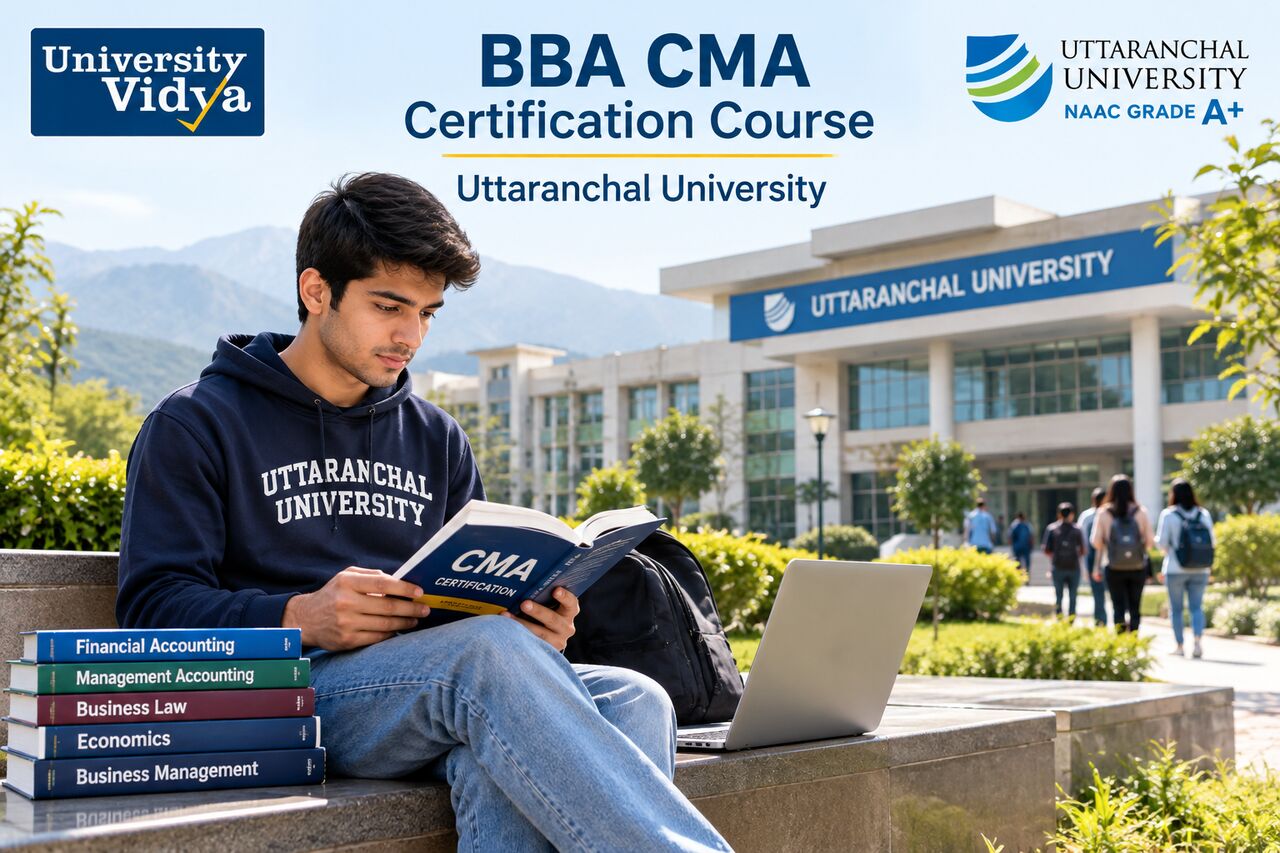
A BBA program generally covers subjects related to management, marketing, finance, human resources, business communication, economics, and organizational practices. CMA-focused preparation, depending on the certification structure and applicable requirements, can introduce learners to areas such as financial planning, cost analysis, performance management, and strategic decision-making. Students should understand that a university degree and a professional certification may have separate eligibility, examination, registration, and awarding requirements.
Before enrolling, prospective students should carefully review the curriculum, course duration, eligibility requirements, admission procedure, certification structure, examination pattern, academic support, and fee details. It is particularly important to verify how the CMA component is delivered, whether it is integrated with the academic program, and what additional requirements may apply to obtain the professional certification. Checking the latest official information can help students avoid confusion about course and certification requirements.
This type of academic pathway may be relevant to learners who want to develop business knowledge while gaining exposure to accounting and financial management concepts. The combination can also help students understand how financial information supports managerial decisions and organizational planning. However, career outcomes depend on several factors, including academic performance, professional qualifications, practical skills, experience, and individual career goals.
Students researching business and professional education options can use University Vidya to explore course information, understand program structures, and compare relevant learning opportunities before deciding which academic pathway aligns with their future plans