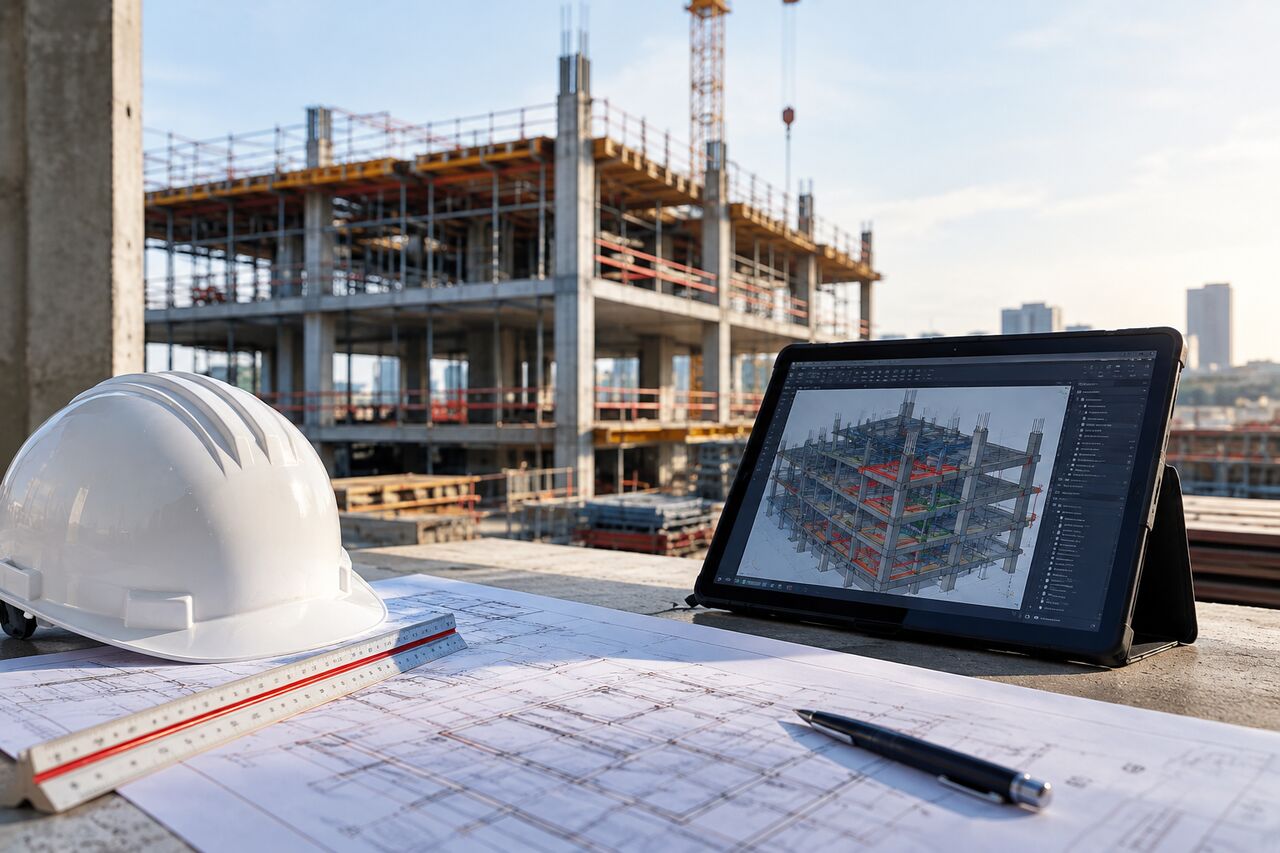
Structural BIM can include elements such as foundations, columns, beams, slabs, walls, and structural framing. It also supports coordination between structural, architectural, and MEP disciplines.
Improved visualization of structural systems
Better coordination between different disciplines
Early identification of design conflicts
More consistent construction documentation
Easier design revisions and updates
Better access to structural project information
By creating a coordinated digital representation of a building's structure, BIM can support more organized planning, design coordination, and construction workflows. Visit Us-: https://www.teslacad.com.au ...