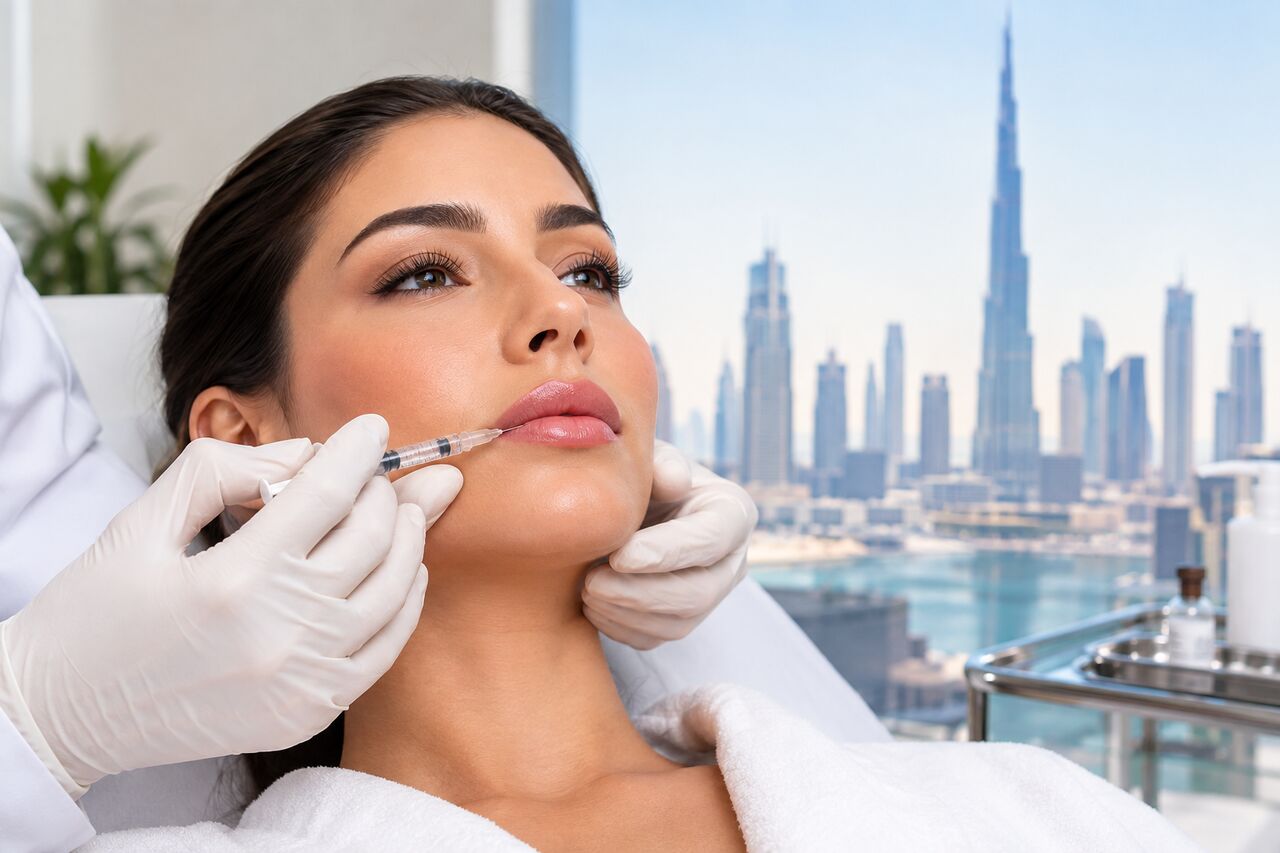
Dermal fillers are among the most popular non-surgical cosmetic procedures today. They are in high demand not only across many countries worldwide but also in major cities like Dubai. With its fast-paced lifestyle, Dubai has seen a consistent surge in demand for dermal fillers in recent years. This article will discuss dermal fillers and present the essential information individuals need to know about them.
What Are Dermal Fillers?
Injectable dermal fillers are substances used to restore facial volume, smooth wrinkles, and enhance facial contours. Most fillers used today are made from hyaluronic acid, a naturally occurring substance in the body that helps keep the skin moisturized and elastic. Other materials utilized as fillers are calcium hydroxylapatite and poly-L-lactic acid.
Unlike surgery, fillers are minimally invasive and involve administering multiple injections into the skin, typically performed by a medical professional. This procedure can address concerns such as thin lips, hollow cheeks, nasolabial folds, and fine facial lines.
Why Dermal Fillers Are Popular in Dubai
Several factors have contributed to Dubai’s rise as a premier destination for aesthetic medicine. One contributing factor is Dubai’s sizable expatriate population from regions where cosmetic surgery procedures are highly prevalent. Another reason is that Dubai has strong regulatory mechanisms through the Dubai Health Authority (DHA) that regulate injectable treatments offered by practitioners. These regulations have helped in creating a safe environment for those wishing to undergo filler procedures in Dubai.
In addition, Dubai’s hot and dry climate can contribute to skin dryness and may make hydration and sun protection important parts of a skincare routine. However, the suitability of dermal fillers depends on individual concerns, anatomy and treatment goals.
How the Procedure Works
The procedure of injecting fillers usually starts with a consultation, where the patient's face is examined. This step is vital, as filler application must be tailored to each person’s unique anatomical features.
A numbing cream is usually applied during the procedure to help ensure patients experience minimal discomfort. The injectable substance is administered through a thin needle or cannula in specific areas of the face. A typical session lasts between 15 and 45 minutes, depending on how many areas are treated. As the treatment is non-invasive, most individuals can return to their usual activities immediately, though some swelling may occur afterward.
Recovery and Expected Results
Dermal fillers usually provide instant results, but the final outcome becomes evident after one to two weeks, once all swelling has subsided. How long dermal filler results last depends on both the type of filler and the specific area treated. For example, hyaluronic acid fillers gradually break down in the body, making repeat treatments necessary.
Recovery is rather simple. After the procedure, practitioners usually advise avoiding strenuous exercise, excessive sun exposure, and alcohol for a period of time.
Safety Considerations
However, just like other injection therapies, there are certain risks associated with this treatment method, such as bruising, swelling, lack of symmetry, or even an allergic reaction and vascular complications in extreme cases. For this reason, the procedure should always be performed by a qualified, experienced healthcare professional in a licensed facility. In Dubai, non-surgical cosmetic procedures are subject to applicable health-facility and professional licensing requirements, and providers must comply with the relevant DHA standards and scope-of-practice requirements.
Patients considering treatment are typically advised to share their full medical history, including allergies, prior surgeries, and any medications that could affect blood clotting.
For those interested in learning more, websites like Dermal Fillers Dubai offer detailed information on the subject.
Frequently Asked Questions
Q1. Are dermal fillers safe?
Dermal fillers are generally well tolerated when appropriately selected and administered by a qualified healthcare professional, but they are not risk-free. Common effects include temporary swelling, bruising, redness and tenderness, while rare complications can be more serious.
Q2. How long do dermal fillers last?
The results of dermal fillers generally last between six months and two years, depending on the type of filler and the area treated. Areas with more movement, such as the lips, often require more frequent touch-ups.
Q3. Does the treatment hurt?
Typically, a numbing cream is applied before injection, and many modern fillers contain a small amount of anesthetic, making the treatment more comfortable.
Q4. How do dermal fillers and Botox differ?
While dermal fillers increase skin volume, Botox targets the underlying muscles to reduce the appearance of dynamic wrinkles.
Q5. Who shouldn’t get dermal fillers?
People who are pregnant or breastfeeding are generally advised to discuss postponing elective filler treatment because safety data are limited. Treatment may also need to be delayed in people with active skin infections or certain medical conditions.
Q6. Are there any restrictions after the procedure?
Most patients can resume their daily activities immediately, although some may experience swelling or bruising.
Conclusion
The demand for dermal fillers as a non-surgical option for facial rejuvenation has been increasing, particularly in Dubai, which has a highly regulated medical aesthetics industry. Understanding how dermal fillers work, what the procedure involves, and the necessary safety precautions can help individuals make informed decisions. Consulting with an experienced, licensed professional is essential for any cosmetic procedure.