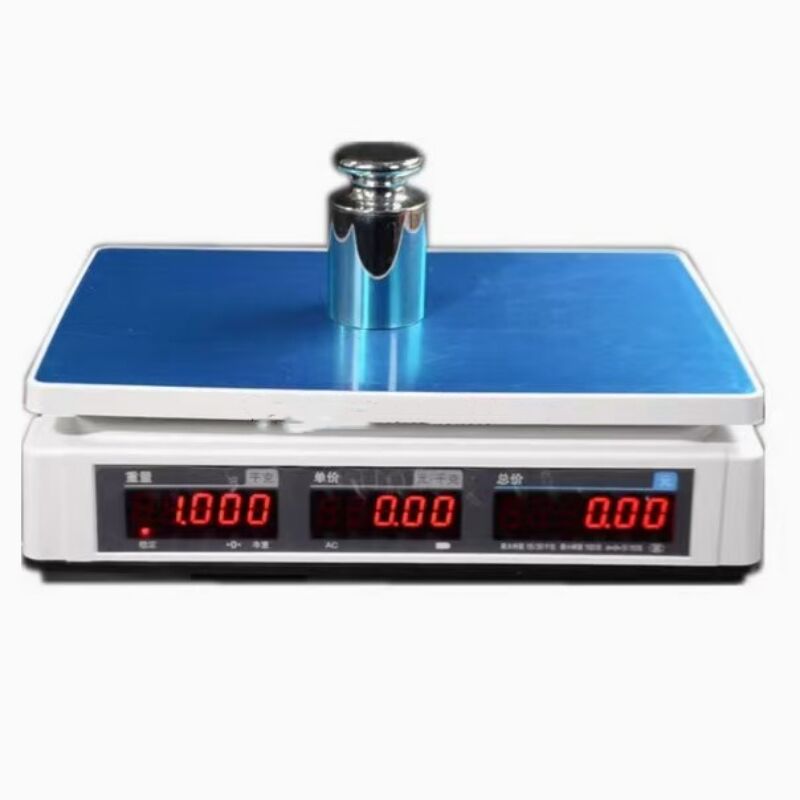
When choosing a scale, check its weighing capacity, readability, and accuracy specifications. Regular calibration is important because frequent use, uneven surfaces, temperature changes, overloading, and general wear can affect measurement accuracy. Businesses should place scales on stable, level surfaces and avoid exceeding the recommended capacity.
Calibration should be performed using suitable certified test weights and, where required, by qualified personnel in line with applicable Ugandan measurement requirements. Before purchasing, ask about calibration support, verification services, warranty coverage, spare parts, and after-sales assistance. A reliable price computing scale should deliver consistent readings, clear displays, dependable battery performance, and accurate price calculations. Investing in proper calibration and maintenance helps protect profits, maintain fair transactions, and build customer trust.