QuickBooks Desktop problems rarely arrive at a convenient time. A company file may stop opening. The application may freeze mid-session. A workstation may fail to connect to the host computer. An installation may break after a Windows or QuickBooks update.
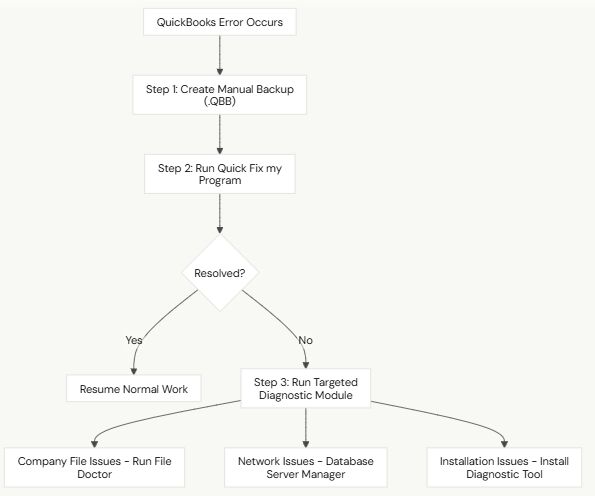
For many common Windows-based QuickBooks Desktop problems, QuickBooks Tool Hub provides a centralized set of diagnostic and repair utilities. Instead of manually searching for separate troubleshooting tools, users open one dashboard and select a utility based on the type of problem they are experiencing.
As of the latest Intuit documentation available in 2026, QuickBooks Tool Hub version 1.6.0.8 is the most recent version, and Intuit recommends using it on Windows 11 64-bit for the best experience .
This guide explains what Tool Hub does, which problems it can diagnose, how to install it, which tool to choose for different symptoms, and what to check when Tool Hub itself does not solve the problem.
What Is QuickBooks Tool Hub?
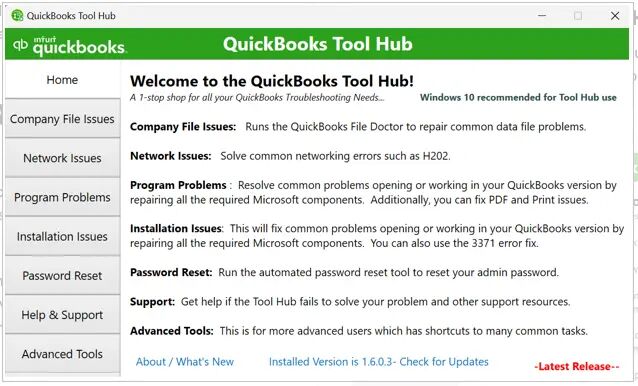
QuickBooks Tool Hub is a Windows utility from Intuit designed to provide access to several troubleshooting tools for QuickBooks Desktop. It acts as a central troubleshooting dashboard rather than a replacement for QuickBooks Desktop itself.
Depending on the problem, the available tools can help with:
QuickBooks Desktop application problems
Company-file issues
Network and multi-user connectivity problems
Installation errors
Program crashes and freezing
Certain PDF and printing problems
Problems associated with damaged or incorrectly configured QuickBooks components
The important distinction: Tool Hub is primarily a diagnostic and repair utility. It does not automatically fix every QuickBooks error. If the underlying problem is caused by a damaged company file, Windows permissions, an unavailable network share, an unsupported QuickBooks version, or another system-level issue, additional troubleshooting may still be required.
Quick Answer: What Version Should You Use?
The current Intuit documentation identifies QuickBooks Tool Hub 1.6.0.8 as the most recent version. For the best experience, Intuit recommends Windows 11 64-bit .
Before installing or running Tool Hub:
Close QuickBooks Desktop
Make sure Windows is functioning normally
Save your work in other applications
Use an administrator account when Windows requests permission
Open Tool Hub only after installation has completed
Keeping the utility current matters because older versions may not contain the same fixes or compatibility improvements.
Quick Summary
Aspect Details
What It Is Central diagnostic dashboard for QuickBooks Desktop
Latest Version 1.6.0.8
Recommended OS Windows 11 (64-bit)
Key Tabs Company File Issues, Network Issues, Program Problems, Installation Issues
Common Fixes 6123, H202, 3371, crashes, installation failures
Limitation Not a universal repair—system-level issues need separate diagnosis
Why QuickBooks Tool Hub Is Useful
Without a centralized troubleshooting utility, diagnosing a QuickBooks Desktop problem can involve checking several independent areas: program processes, company-file integrity, network configuration, Windows components, QuickBooks installation files, firewall settings, printing components, and multi-user services.
Tool Hub brings several commonly used utilities into one interface. That makes it particularly useful when the symptom does not immediately identify the underlying cause.
For example:
If QuickBooks suddenly stops responding, the problem could be a stuck QuickBooks process rather than a damaged company file.
If a company file opens on the server but not on a workstation, the problem may be related to network configuration or multi-user connectivity.
The correct Tool Hub utility depends on the symptom—not on the error number alone.
How to Download and Install QuickBooks Tool Hub 1.6.0.8
The safest approach is to obtain Tool Hub from Intuit's official QuickBooks support resources rather than from an unknown download site .
Step 1: Close QuickBooks Desktop
Close QuickBooks before installing or using Tool Hub. If QuickBooks is frozen, use Windows Task Manager to verify it is no longer running.
Step 2: Download the Latest Tool Hub
Download the current installer and save it somewhere easy to locate, such as the Downloads folder or Desktop. The current release is 1.6.0.8 .
Step 3: Open the Installer
Locate the downloaded file, typically named QuickBooksToolHub.exe , and double-click it. If Windows displays a security prompt, verify you are opening the expected installer before continuing.
Step 4: Follow the Installation Wizard
Accept the license terms when prompted and allow the installation to finish .
Step 5: Open Tool Hub
Launch QuickBooks Tool Hub from its desktop shortcut or Windows Start menu. If you cannot find the shortcut, search Windows for QuickBooks Tool Hub .
Step 6: Check the Version
Open Tool Hub and look for version information on the Home tab or in the About area. This confirms whether 1.6.0.8 is installed .
QuickBooks Tool Hub Tabs Explained
The most useful way to understand Tool Hub is to map each section to a particular class of problem.
Home
Provides general information about Tool Hub and directs users toward the appropriate troubleshooting categories. A good starting point when you are unsure which utility applies.
Company File Issues
Choose this section when the problem involves opening, accessing, or working with a QuickBooks company file. Relevant symptoms include:
A company file will not open
QuickBooks reports a company-file problem
A company file behaves differently between computers
A user cannot access the file in a multi-user environment
QuickBooks reports certain data or file-access errors
Depending on the available options, Quick Fix my File and QuickBooks File Doctor can be used for supported company-file and network-related problems .
Network Issues
Network troubleshooting becomes important when QuickBooks Desktop is used by multiple computers. Typical symptoms include:
One workstation cannot access the company file
Final Takeaway
QuickBooks Tool Hub 1.6.0.8 is best viewed as a central troubleshooting toolkit for QuickBooks Desktop on Windows—not as a one-click solution for every accounting software problem.
Its greatest value is that it helps users match common symptoms with specialized troubleshooting utilities. Program crashes, company-file access problems, network issues, installation failures, and certain printing problems can require very different diagnostic approaches.
The most effective workflow is simple:
Identify the symptom → record the exact error → choose the appropriate Tool Hub utility → test the result → investigate the underlying system if the problem remains.
Keeping Tool Hub current, maintaining reliable company-file backups, and distinguishing between program, file, network, and Windows problems can make troubleshooting substantially more efficient.