Quick Recommendation
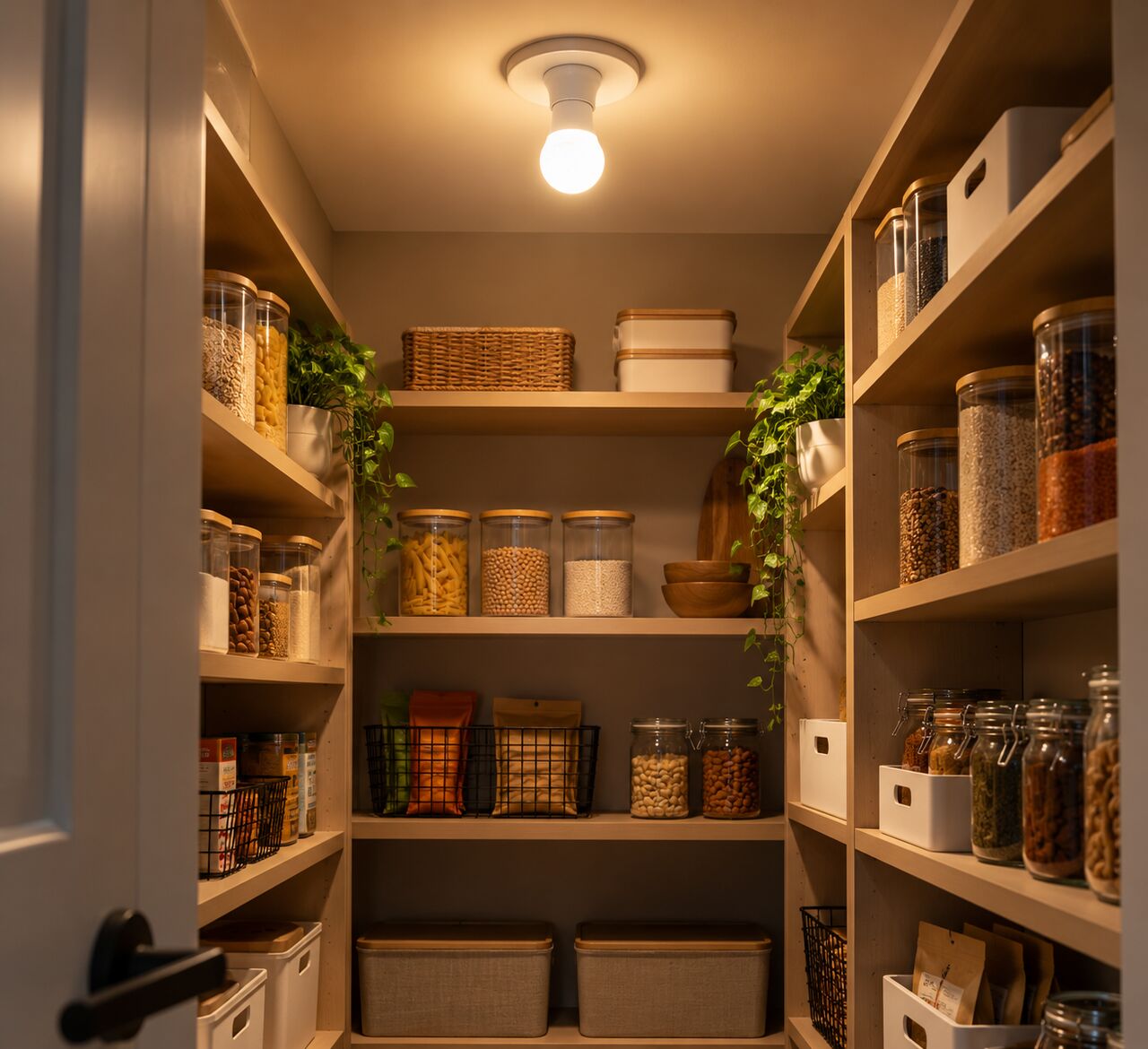
(i) Best for compact closets, pantries & small powder rooms: 7W E27 Motion Sensor Bulb — Delivers 700 lumens of soft, energy-efficient lighting for enclosed utility spaces where lower brightness is preferred.
(ii) Best for standard Indian wall battens & stairwell landings: 10W B22 Motion Sensor Bulb — Fits regular push-and-twist wall sockets, providing 1000 lumens of clear auto ON/OFF illumination for passageways and staircases.
(iii) Best for outdoor porches, balconies & perimeter sconces: 10W Motion & Day-Night Sensor Bulb — Features dual PIR and Lux photocell sensing to prevent daylight operation while offering hands-free security lighting.
(iv) Explore the complete low-wattage range: Compare specifications, socket base fittings, and order directly from the official Esysense Motion Sensor Bulb.
Product Overview
Automatic low-wattage motion sensor bulbs combine surface-mounted diode (SMD) arrays, optical lenses, pyroelectric thermal sensors, and built-in drivers into a single compact lamp profile.
(i) What it is: A self-contained A60/A65 LED bulb featuring an integrated PIR body-heat sensor and ambient Lux photodiode built directly into the bulb dome in 7W, and 10W ratings.
(ii) What it does: Detects human thermal movement within a 5 to 9 meter radius in low-light conditions, illuminating automatically and shutting down after 30 to 60 seconds of inactivity.
(iii) Who it is intended for: Homeowners, renters, senior citizens, and facility managers looking for switch-free, plug-and-play lighting automation in smaller rooms without rewiring switchboards.
(iv) Primary features: Integrated PIR thermal motion detector, ambient Lux photodiode (prevents daytime operation), direct B22 bayonet pin or E27 screw base fitting, 30–60 second delay countdown, and high-efficiency 100 lm/W LED driver.
(v) Key specifications: Wattage: 7W / 10W; Luminous Output: 700 to 1000 Lumens; Socket Base Options: B22 Bayonet / E27 Screw; Voltage: 110V–270V AC, 50/60Hz; Detection Radius: 5 to 9 meters; Color Temperatures: 3000K Warm White / 6500K Cool White; IP Rating: IP20 indoor protection.
(vi) Main use cases: Walk-in wardrobes, kitchen pantries, powder rooms, stair landings, utility closets, balconies, and bedside night corridors.
(vii) Important limitations: The wall switch powering the light holder must remain turned ON continuously for the internal sensor circuit to stay armed; fully enclosed opaque glass shades block PIR thermal signals.
Why This Matters
Installing high-wattage floodlights or bright overhead panels in small, enclosed spaces like closets, pantries, or small powder rooms often creates blinding glare and unnecessary power draw. Using a lower-wattage motion sensor bulb provides right-sized, task-appropriate light only when an occupant is present. This eliminates switch hunting in dark utility spaces, protects children and elderly family members from trip hazards at night, and cuts energy waste by over 92%.
How Motion Sensor Bulbs Work
A sensor bulb coordinates optical sensing, thermal detection, and smart driver regulation within its frosted diffuser dome:
1. Pyroelectric Thermal Detection & Fresnel Lens Array
The top dome of a low wattage motion light houses a pyroelectric sensor protected by a miniature Fresnel optical dome. The lens breaks the surrounding 120° beam axis into distinct detection sectors, monitoring moving infrared thermal radiation (body heat at 37°C). When a person steps into the room, the shifting heat differential triggers the driver circuit.
2. Ambient Lux Photocell Suppression
An integrated photodiode continuously measures surrounding room light. If ambient daylight exceeds 10 to 15 Lux, the photocell disables the motion circuit, keeping the bulb turned OFF even if movement is detected, eliminating power waste during daytime hours.
3. Low-Wattage Driver & Smart Countdown Timer
Once triggered in dark conditions, the driver energizes the LED array to full brightness. An integrated electronic timer maintains light output as long as movement continues. Once the area becomes vacant, the timer counts down 30 to 60 seconds before safely switching off power to an ultra-low 0.15W standby state.
Main Decision Factors: Where Lower-Wattage Automatic Lighting Fits
1. Wattage & Room Area Matching (7W vs. 10W)
What to look for: Choose bulb wattage based on room square footage and function.
Why it matters: High-wattage bulbs in tiny storage closets or powder rooms cause harsh glare and waste energy. A 7W sensor bulb (700 lumens) provides soft, glare-free light perfect for small enclosed nooks, whereas a 10W bulb (1000 lumens) suits wider stair landings and main hallways.
Practical recommendation: Use 7W motion bulbs for walk-in closets, pantries, and bedside corridors; select 10W motion bulbs for stairwells, main entrance hallways, and covered balconies from the Esysense Motion Sensor Bulb.
2. Base Cap Fitting: B22 Bayonet Pin vs. E27 Edison Screw
What to look for: Inspect your existing wall or ceiling lamp holder before ordering.
Why it matters: Indian homes predominantly use B22 push-and-twist bayonet holders on regular wall battens. However, decorative sconces, imported lamp fittings, and outdoor lanterns require threaded E27 screw bases.
Practical recommendation: Select B22 bayonet bases for standard wall battens and hallway sockets; choose E27 screw bases for threaded sconces, reading lamps, and decorative lanterns.
3. Fixture Housing & Line-of-Sight Clearance
What to look for: Ensure your lamp fixture allows the sensor dome to "see" moving occupants.
Why it matters: PIR thermal sensors require an unobstructed line-of-sight. Enclosing a low wattage motion light inside a thick, opaque glass globe or heavy frosted shade blocks infrared thermal signals, preventing automatic activation.
Practical recommendation: Install motion sensor bulbs in open wall sconces, exposed batten holders, or fixtures with clear or open-bottom shades.
Technical Specification Comparison
1. 7W E27 Low-Wattage Motion Sensor Bulb
Socket Base: E27 Edison Screw Base.
Power & Lumens: 7W / 700 Lumens (100 lm/W).
Sensing Mechanism: Integrated PIR Thermal Sensor + Lux Photocell.
Detection Radius: Up to 9 meters / 120° beam angle.
Auto-Off Delay: 60 Seconds.
Best Application: Walk-in wardrobes, kitchen pantries, small powder rooms, and bedside safety sconces.
2. 10W B22 Motion Sensor Bulb
Socket Base: B22 Bayonet Cap (Standard Indian Socket).
Power