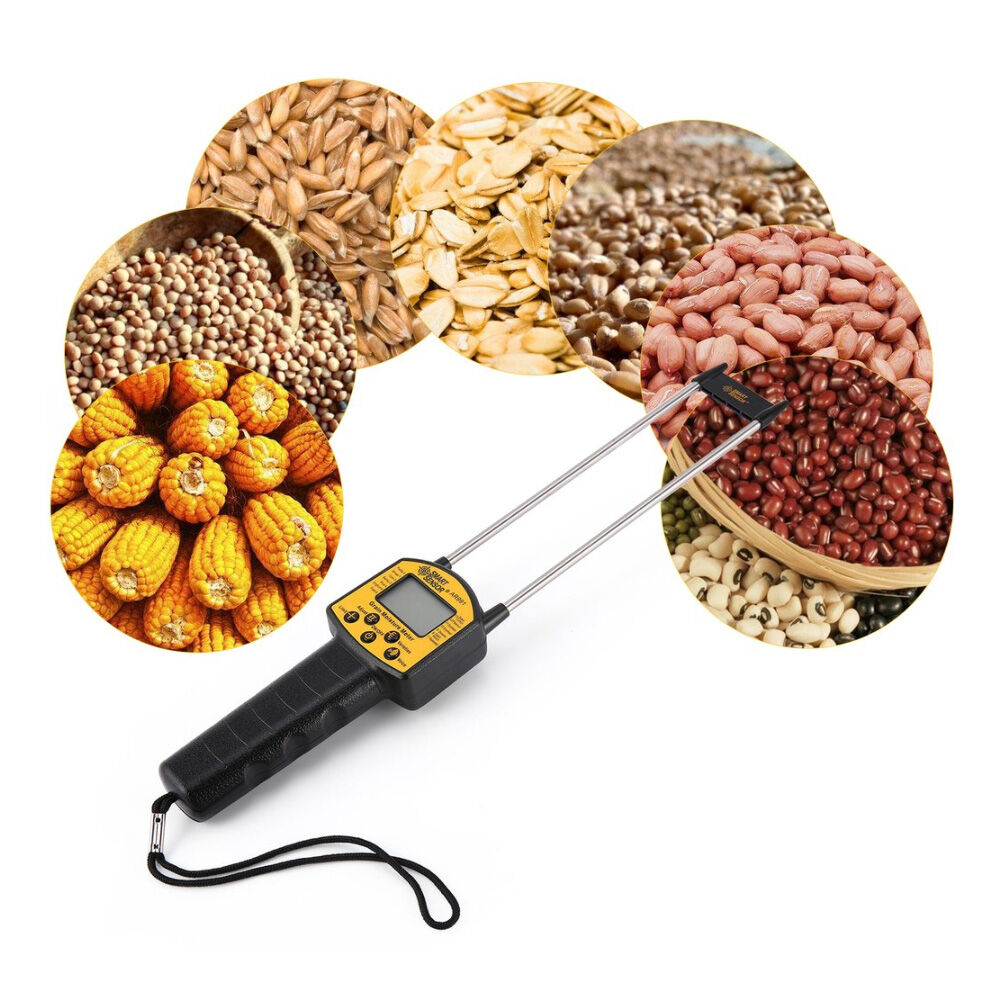
The digital interface makes readings easier to observe and record during routine inspections. Testing can be performed when grain arrives from suppliers, before storage, during stock monitoring, or prior to processing and sale. Depending on the model, different crop settings may be available to accommodate various commodities.
When choosing an analyzer, consider the grain types you handle, measurement range, resolution, sampling method, display, portability, and power requirements. For businesses that need more consistent moisture assessment, the right analyzer can become an important part of produce quality control. Looking to upgrade your grain testing process? Contact a supplier for current pricing and availability and select the analyzer that matches your operation.