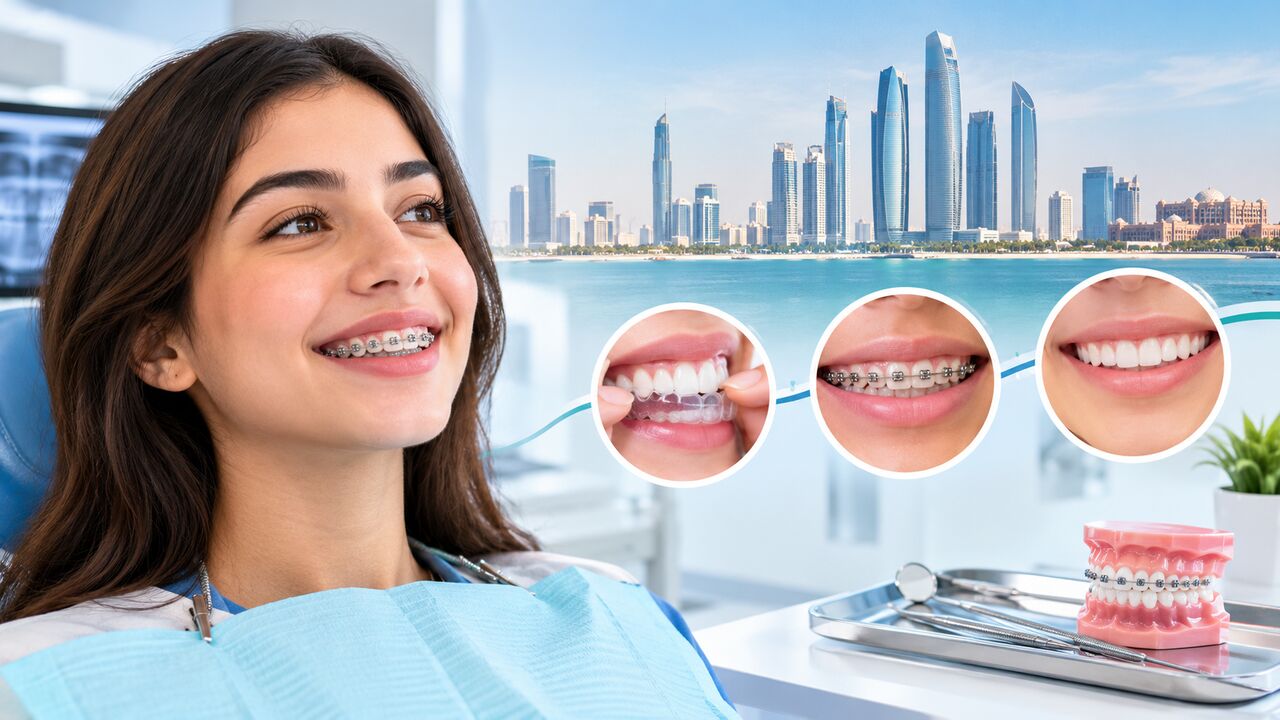
Beginning orthodontic treatment leads to progressive shifts in tooth alignment, bite function, and everyday habits. Patients considering orthodontic braces in Abu Dhabi can choose from several treatment options, depending on their dental needs and clinical assessment. Understanding each stage, from the initial consultation to long-term retainer use, helps patients prepare for treatment and maintain realistic expectations.
Quick Answer
Orthodontic treatment often takes around 12 to 24 months, although the duration depends on the complexity of the case and the treatment method. The process generally includes consultation and diagnosis, appliance fitting, periodic adjustments, finishing, and retention. Mild discomfort or soreness is common after braces are fitted or adjusted, while retainers play a crucial role in preserving alignment once active treatment is finished.
Stage 1: Consultation and Diagnosis
The orthodontic journey begins with an evaluation by a dentist or orthodontist in Abu Dhabi. The steps usually include the following:
A clinical examination of the teeth and the gums
X-rays, including panoramic and cephalometric X-rays
Digital impressions or dental scans
Face and smile photographs
The decision between fixed braces and clear aligners is influenced by the specific orthodontic problem, its complexity, the patient’s oral health, and their ability to comply with treatment guidelines. Clear aligners, including Invisalign, are removable and require consistent wear as directed. An orthodontist can assess which option is appropriate after examining the teeth and bite.
Stage 2: Choosing the Type of Braces
There are several treatment options, and the best choice is influenced by the case's complexity, as well as factors like age, lifestyle, and individual preferences.
Metal braces: Strong and suitable for all types of problems, including complicated cases.
Ceramic braces: Brackets are matched to the color of your teeth, providing a less noticeable alternative to metal braces.
Lingual braces: These are fitted to the back surfaces of the teeth, making them invisible from the front.
Clear aligners: Transparent removable plates for mild to moderate misalignments.
Each of these options offers distinct advantages and drawbacks when it comes to appearance, comfort, maintenance, and overall suitability.
Stage 3: Getting Braces Fitted
Braces are fitted only after any necessary dental work has been completed, such as professional cleaning or filling cavities. In some cases, teeth may need to be extracted or spacers placed to create sufficient room. Fitting braces usually takes one to two hours, during which brackets are bonded to the teeth and an archwire is threaded through them.
What changes: Most people start to feel soreness in their teeth within three to five days, as the applied pressure gradually moves them into new alignment. This discomfort usually lessens as the mouth adjusts. Eating soft foods, sipping cool beverages, and using over-the-counter pain relief can provide comfort. Some initial irritation of the lips and cheeks is common but usually fades over time.
Stage 4: Adjustment Visits
The patient is called for an appointment every four to eight weeks. During such an appointment, the orthodontist makes changes to the archwire, adjusts elastic bands, and evaluates the progress of treatment.
What changes: Within several months of treatment, crowding starts to reduce, and spaces begin to close up. Changes in the teeth alignment may be seen between three to six months of treatment. Some patients have to wear elastics to achieve proper alignment of teeth and bite.
Stage 5: Daily Life with Braces
Daily habits and diet require several changes during orthodontic treatment.
Foods: Crunchy, sticky, or chewy foods like hard nuts, caramels, and even ice may cause damage to the brackets and should be avoided.
Brushing: Proper brushing, the use of interdental brushes, and even threaders or water flossers can protect your teeth from plaque and gingivitis.
Speaking: Slight lisping might be experienced in the first two weeks but will eventually disappear.
Activities and sports: Use of a mouth guard is advised for contact sports.
Neglecting oral hygiene while wearing braces may result in white spot lesions, tooth decay, and gum disease.
Stage 6: Finishing and Removal
Once the desired alignment of teeth and bite is reached, the braces are taken off. The teeth are then polished and any adhesive is cleaned away. The teeth will be polished, and any remaining adhesive will be cleaned up. Many people notice that their teeth feel smooth yet somewhat sensitive after braces are removed.
Stage 7: Retention
Retention is a very important stage that people often neglect. Once braces are removed, teeth tend to shift back toward their original positions. Retainers are used to hold teeth in their corrected positions while the surrounding bone and soft tissues adjust and stabilize. Typically, orthodontists recommend full-time wear initially, followed by nighttime use for several years.
Choosing an Orthodontist in Abu Dhabi
When selecting an orthodontist, consider:
Licensing and specialist qualifications, ideally verified through the Department of Health – Abu Dhabi.
Experience with cases similar to yours
Transparent communication about available treatments, expected timelines, and associated costs.
Access to modern diagnostic tools such as digital scans
Follow-up and retainer care policies
Frequently Asked Questions
1. How long does orthodontic treatment take?
Most cases take 12 to 24 months, although mild cases may finish sooner and complex cases may take longer.
2. Are braces painful?
Most people experience pressure and minor soreness with braces, especially in the first few days after they are fitted or adjusted, rather than severe pain.
3. What is the best age to get braces?
Braces can successfully straighten teeth at any age. Children are typically evaluated between the ages of 7 and 12, but adults can also benefit from orthodontic treatment.
4. Do I need to see an orthodontist or a general dentist?
An orthodontist is a dental specialist who has undergone advanced training in aligning teeth and correcting bite issues, making them especially qualified to provide braces treatment.
5. How often are adjustment appointments needed?
Typically every four to eight weeks, depending on the appliance and treatment plan.
6. Is it possible for teeth to shift after braces?
Teeth can shift after braces, so it's crucial to follow retainer instructions to preserve alignment.
Conclusion
The orthodontic journey is about much more than simply aligning teeth. It encompasses thorough diagnosis, choosing the right appliances, incremental adjustments, changes to daily routines, and maintaining results long term. Understanding each stage helps patients set realistic expectations and stay consistent with treatment. For anyone researching orthodontic braces Abu Dhabi offers, consulting a licensed orthodontist,