Bakeries, cafés, restaurants, caterers, and small food producers should select a scale according to their particular work.
1. Identify What You Need to Weigh
Write down the ingredients and products you handle regularly. Consider the lightest and heaviest loads, including any bowls or containers.
This helps you identify the appropriate capacity and readability.
2. Consider Your Daily Workload
A scale used occasionally may have different requirements from one used throughout a working day. Consider the frequency of use and the conditions in which the scale will operate.
3. Choose Useful Features
Depending on your needs, useful features may include:
Tare for weighing ingredients in containers.
Gram and kilogram units.
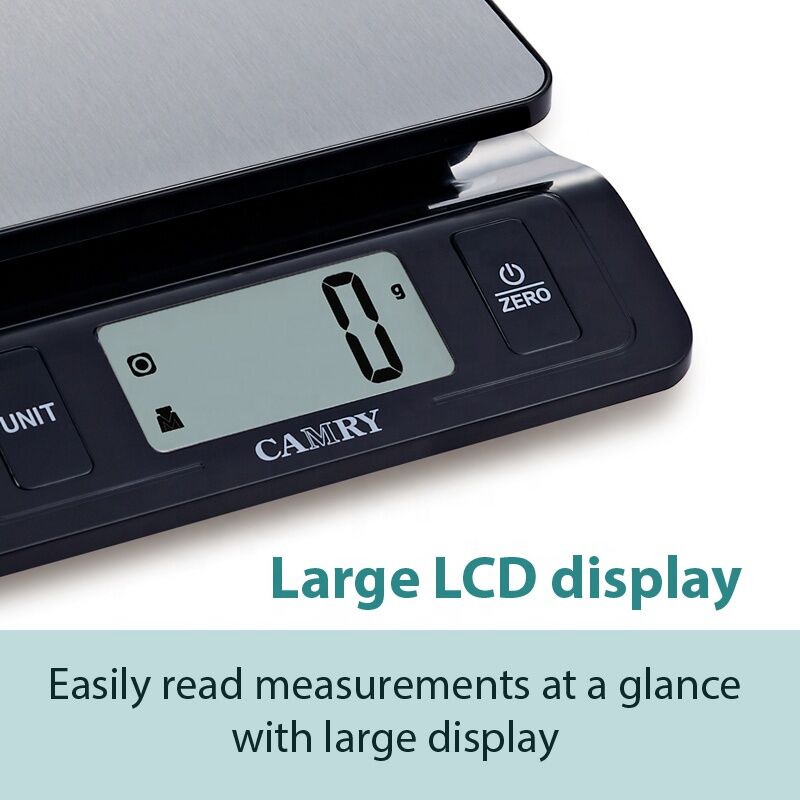
A clear display.
A suitable weighing platform.
Battery or rechargeable power.
A design that is easy to clean according to the manufacturer's instructions.
4. Consider Service Support
Equipment problems can interrupt business operations. Before buying, ask about warranty coverage, repair support, and the availability of appropriate replacement parts.
5. Compare the Total Value
Compare the purchase price alongside the specifications, durability, support, and suitability for your workload. Avoid choosing a model simply because it has the highest capacity or the lowest price.
6. Check Applicable Requirements
If the scale is used for commercial transactions or another regulated purpose, confirm whether verification or other legal metrology requirements apply. Do not assume that a general-purpose kitchen scale is suitable for every commercial activity.