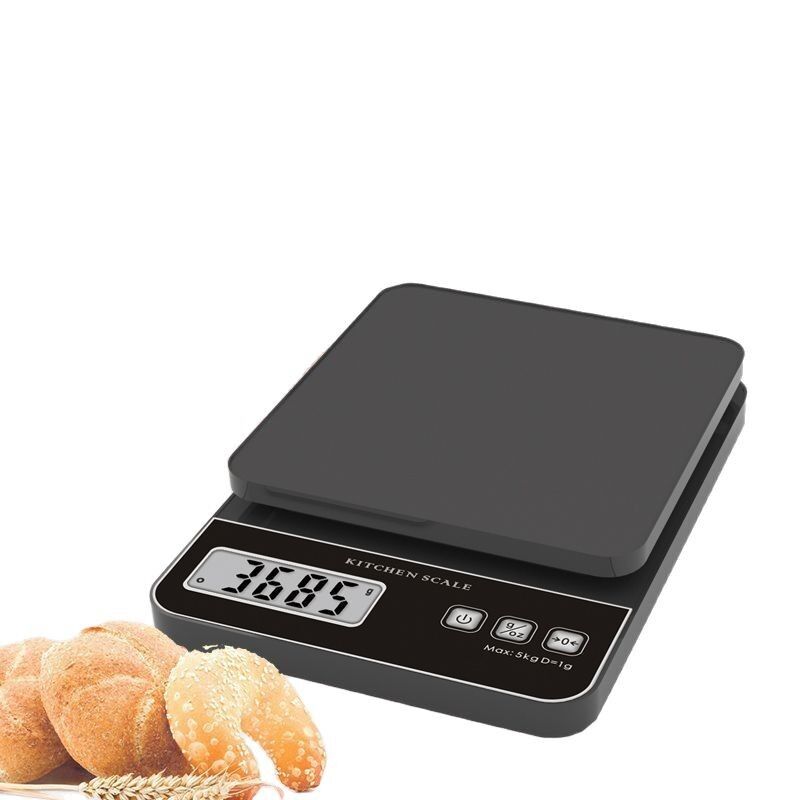
1. What Is a Kitchen Weighing Scale Used For?
It is used to measure the mass of food ingredients and other suitable items. Common applications include baking, recipe preparation, portioning, and measuring small quantities.
2. Which Kitchen Scale Capacity Should I Choose?
Choose a capacity that accommodates your usual loads, including containers. Also check the readability and minimum load if you need to measure small quantities.
3. Is a Digital Kitchen Scale Better Than a Mechanical One?
It depends on your needs. Digital scales commonly offer a numerical display and may include tare and unit-conversion features. Mechanical scales may suit users who prefer a non-electronic design.
Compare individual models rather than assuming one type is always more accurate.
4. What Does Tare Mean on a Kitchen Scale?
Tare lets you exclude the weight of a container or existing load from the displayed measurement. It is useful when weighing ingredients in a bowl.
5. Why Does My Kitchen Scale Show Zero?
The scale may be unloaded, or the tare function may have been used. Check the display and consult the user manual if the scale does not behave as expected.
6. Why Is My Kitchen Scale Giving Wrong Readings?
Possible causes include an uneven surface, weak batteries, incorrect positioning, overloading, or a technical fault. Try basic troubleshooting and seek inspection if the issue continues.
7. How Do I Clean a Kitchen Scale?
Switch it off and follow the manufacturer's cleaning instructions. Protect the electronics from moisture and do not immerse the unit unless it is specifically designed for that purpose.
8. Does a Kitchen Scale Need Calibration?
It may need calibration or other performance checks depending on the application, usage, and manufacturer's guidance. Commercial and regulated uses may have additional requirements.
9. Can I Use a Kitchen Scale for a Small Business?
Potentially, for suitable tasks such as recipe preparation and portioning. Confirm that the capacity, readability, durability, and any applicable legal requirements meet the intended use.
10. Where Can I Buy a Kitchen Weighing Scale in Uganda?
Compare available suppliers and models based on capacity, features, price, warranty, and service support. Ask for the specifications of the exact model before purchasing.
Conclusion
Choosing and using a kitchen scale becomes easier when you understand capacity, tare, readability, cleaning, and maintenance. Match the scale to your actual requirements and seek technical assistance if it develops persistent problems.
Call to Action: Explore our weighing scale prices in Uganda or contact us for assistance.