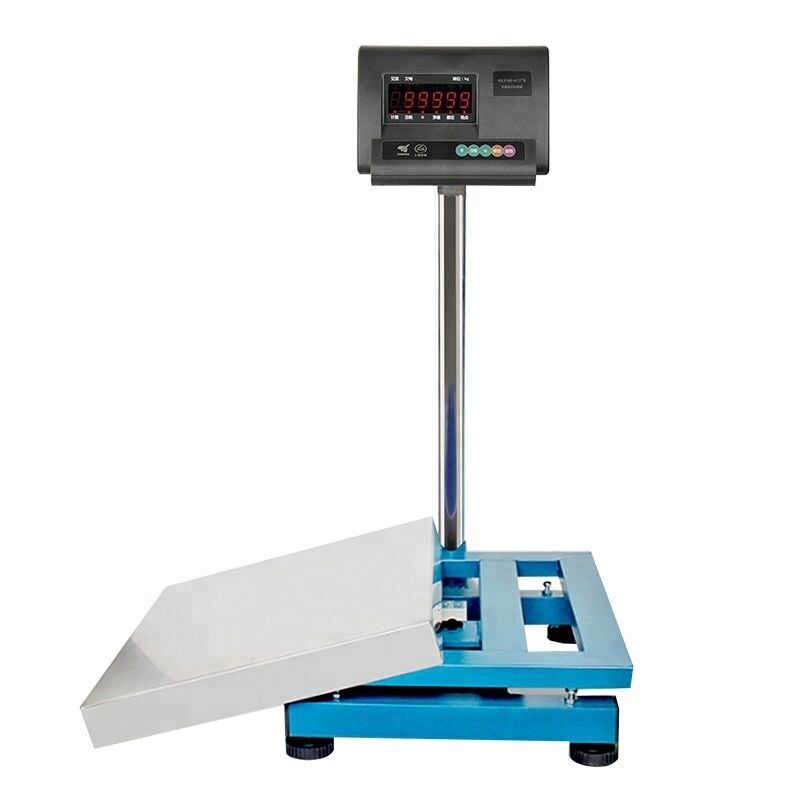
Understanding these differences helps buyers in Uganda compare quotations and select suitable weighing equipment for their businesses.
1. Maximum Weighing Capacity
Capacity indicates the maximum load a scale is designed to measure under specified conditions. Models with different capacities may have different platform and component specifications.
Choose a capacity that suits your expected loads.
2. Platform Dimensions
The size of the weighing surface matters when weighing sacks, boxes, containers or bulky goods. A platform must accommodate the load safely.
3. Readability and Performance Specifications
Readability describes the smallest displayed weight increment. Accuracy and repeatability are separate performance considerations that should be checked against the manufacturer's specifications.
4. Construction Materials
Platform materials and structural design influence durability and suitability for different environments.
5. Digital Indicator Features
Tare, rechargeable battery operation and additional functions may be available depending on the model.
6. Operating Environment
Scales used in dusty, damp or demanding workplaces may require particular construction or protection features. Confirm that the selected model is rated for those conditions.
7. Warranty and After-Sales Support
Warranty terms, spare parts availability, maintenance and calibration support can influence the total cost of owning a scale.
8. Supplier Availability and Terms
Prices may vary with stock availability, model configuration and delivery arrangements. Request current quotations before making a decision.
How to Use These Factors When Buying
Prepare a list of your required capacity, platform dimensions, readability, power options and service needs. Ask suppliers to quote for models that meet those requirements.
Call to Action: Contact a weighing-scale supplier in Uganda for a quotation and advice on choosing a platform scale that suits your business.