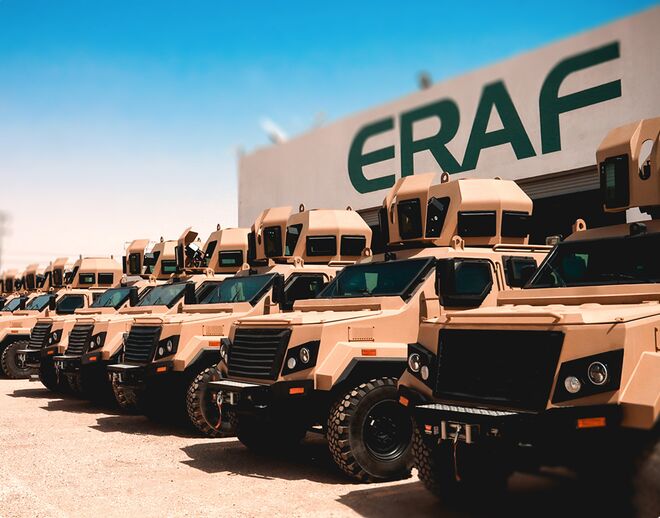
Department: Electrical / Production / Maintenance
Job Title: Automotive Electrician
Reports To: Electrical Supervisor / Workshop Supervisor
Work Location: Al Kharj, Riyadh Region, Saudi Arabia
Industry: Automotive, Military Vehicles, Vehicle Armoring and Industrial Manufacturing
1. Job Purpose
To install, inspect, maintain, troubleshoot, and repair electrical wiring, circuits, components, and auxiliary electrical systems in commercial, military, armored, and specialized vehicles. The role ensures that all vehicle electrical installations are completed safely and accurately in accordance with approved electrical drawings, engineering specifications, manufacturer instructions, and company quality standards.
2. Key Responsibilities
Automotive Electrical Installation
• Install, route, connect, and secure electrical wiring and harnesses in vehicles.
• Install and connect batteries, alternators, starters, fuses, relays, switches, connectors, and electrical distribution components.
• Install vehicle lighting systems, indicators, warning lights, interior lighting, and auxiliary electrical equipment.
• Connect electrical components according to approved wiring diagrams and installation instructions.
• Install electrical panels, control switches, sensors, actuators, and related components where required.
• Ensure proper cable routing, insulation, grounding, protection, and secure connections.
• Support electrical installation during vehicle assembly, modification, and production.
Vehicle Electrical Systems
• Install and maintain electrical systems in commercial, military, armored, and specialized vehicles.
• Support the integration of auxiliary lighting, communication equipment, electronic accessories, and mission-related electrical systems as specified.
• Install electrical components in vehicle cabins, dashboards, body structures, and specialized compartments.
• Ensure wiring and components are properly protected against vibration, abrasion, moisture, heat, and other operating conditions.
• Follow approved procedures when working with vehicle electrical systems and specialized equipment.
Inspection and Troubleshooting
• Diagnose electrical faults using multimeters, circuit testers, diagnostic scanners, and other appropriate testing equipment.
• Inspect wiring harnesses, connectors, fuses, relays, grounding points, and electrical circuits.
• Perform continuity tests, voltage measurements, and functional checks.
• Identify short circuits, open circuits, loose connections, damaged insulation, and defective components.
• Repair or replace faulty wiring and electrical components according to approved instructions.
• Report recurring faults and recommend corrective actions to the supervisor.
Testing and Quality Control
• Conduct functional tests of installed electrical systems before vehicle release.
• Verify the operation of lighting, starting and charging systems, switches, and auxiliary equipment.
• Inspect wiring installations for correct routing, labeling, fastening, and protection.
• Ensure that completed installations comply with approved drawings and quality requirements.
• Support Quality Control Inspectors during electrical inspections and final vehicle acceptance.
• Record test results, identified defects, and completed corrective actions as required.
Tools, Equipment, and Maintenance
• Use automotive electrical tools, crimping tools, soldering equipment where approved, wire strippers, and diagnostic instruments.
• Inspect tools and testing equipment before use and report defects.
• Maintain tools and equipment in good working condition.
• Follow proper procedures for battery handling, electrical isolation, and protection against accidental short circuits.
• Keep the work area clean, organized, and free from electrical hazards.
Safety and Documentation
• Follow electrical safety procedures, risk assessments, and company workshop regulations.
• Use appropriate personal protective equipment (PPE).
• Isolate electrical power sources before carrying out work whenever required by the approved procedure.
• Follow safe practices when working with batteries, high-current circuits, and energized systems.
• Complete job cards, inspection checklists, wiring records, and maintenance documentation as required.
• Report unsafe conditions, defective components, and installation discrepancies promptly.
3. Qualifications and Experience
• Technical certificate, vocational qualification, or diploma in Automotive Electrical Technology, Auto Electrical Systems, or a related field.
• Typically 2–5 years of practical experience in automotive electrical installation, maintenance, or repair.
• Experience with vehicle wiring harnesses, starting and charging systems, lighting circuits, and electrical accessories.
• Experience in commercial vehicle manufacturing, vehicle assembly, or automotive workshops is preferred.
• Experience with military vehicles, armored vehicles, or specialized vehicle electrical installations is an advantage.
• Ability to read and interpret basic electrical wiring diagrams.
• Relevant automotive electrical certifications are desirable.
4. Technical Skills
• Knowledge of automotive electrical systems and vehicle wiring.
• Ability to install, test, and repair wiring harnesses and electrical components.
• Proficiency in using multimeters, circuit testers, and automotive diagnostic tools.
• Understanding of batteries, alternators, starter motors, fuses, relays, and grounding systems.
• Ability to interpret wiring diagrams, connector pinouts, and installation instructions.
• Knowledge of cable routing, crimping, insulation, connectors, and electrical protection.
• Familiarity with vehicle electronic systems and CAN bus diagnostics is an advantage.
• Understanding of electrical fault diagnosis and preventive maintenance.
• Knowledge of electrical safety and proper handling of automotive batteries.
5. Core Competencies
• Practical electrical troubleshooting skills.
• Attention to detail and installation accuracy.
• Ability to follow technical drawings and instructions.
• Good problem-solving and analytical skills.
• Teamwork and effective communication.
• Time management and productivity.
• Commitment to safety, quality, and continuous improvement.
• Ability to work effectively in a vehicle manufacturing environment.
6. Key Performance Indicators (KPIs)
• Accuracy and quality of electrical installations.
• First-time acceptance rate of installed electrical systems.
• Number of electrical defects, wiring errors, and rework incidents.
• Timely completion of assigned installation and repair tasks.
• Effectiveness in diagnosing and resolving electrical faults.
• Compliance with approved wiring diagrams and installation procedures.
• Accuracy of maintenance recor