Department: Production / Sheet Metal Fabrication
Job Title: Press Brake / Bending Machine Operator – Automotive
Reports To: Fabrication Supervisor / Production Supervisor
Work Location: Al Kharj, Riyadh Region, Saudi Arabia
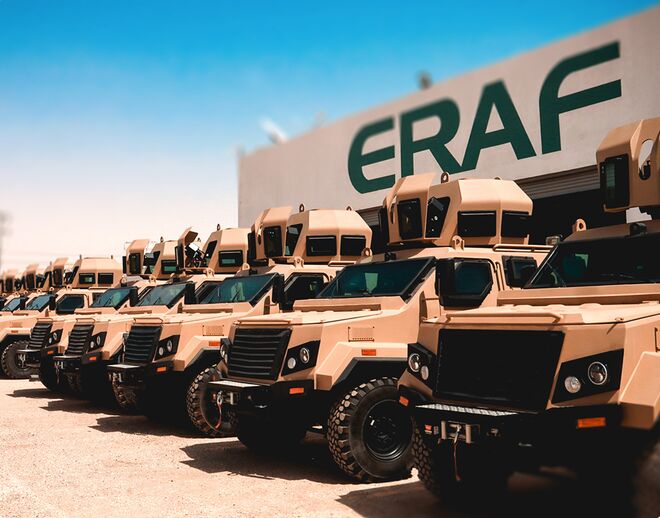
Industry: Automotive, Military Vehicles, Vehicle Armoring and Industrial Manufacturing
1. Job Purpose
To operate press brake and sheet metal bending machines to produce accurately formed metal components used in commercial, military, armored, and specialized vehicles. The role involves setting up machines, selecting appropriate tooling, interpreting engineering drawings, adjusting bending parameters, and inspecting finished components to ensure dimensional accuracy, consistent quality, and compliance with approved manufacturing specifications.
2. Key Responsibilities
Press Brake and Bending Operations
• Operate hydraulic, mechanical, and CNC press brake machines to bend and form sheet metal and plate components.
• Produce metal components such as brackets, panels, mounting supports, covers, enclosures, and structural parts for vehicle manufacturing.
• Set up machines by selecting and installing appropriate punches, dies, and tooling.
• Adjust bending angles, back gauges, machine settings, and operating parameters according to job requirements.
• Perform air bending, bottom bending, and other approved bending operations according to material and drawing specifications.
• Process steel, stainless steel, aluminum, and other approved sheet metal materials as required.
• Ensure consistent bending quality and dimensional accuracy throughout production runs.
Automotive and Specialized Vehicle Component Production
• Manufacture formed metal components for vehicle bodies, chassis assemblies, interior structures, and specialized automotive installations.
• Produce components for military and armored vehicles in accordance with approved engineering drawings and project specifications.
• Bend steel plates and sheet metal components used in vehicle panels, brackets, supports, enclosures, and structural assemblies.
• Follow approved bending sequences and forming procedures to achieve the required dimensions and angles.
• Coordinate with fabrication, welding, machining, and assembly teams to ensure proper component fitment.
• Follow engineering instructions for specialized components and materials, including specified thicknesses and forming requirements.
Drawing Interpretation and Machine Setup
• Read and interpret engineering drawings, fabrication drawings, dimensions, tolerances, and bending specifications.
• Identify material type, thickness, bend angle, bend radius, and required component dimensions.
• Calculate or verify bend allowances and bend deductions where required.
• Select suitable tooling and machine settings based on material properties and component geometry.
• Perform trial bends and first-piece inspections before proceeding with batch production.
• Identify potential material deformation, cracking, springback, and dimensional discrepancies.
• Report drawing ambiguities or manufacturing issues to the supervisor before proceeding.
Quality Control and Inspection
• Measure and inspect bent components using tape measures, vernier calipers, angle gauges, protractors, and other measuring instruments.
• Verify bend angles, flange dimensions, overall lengths, and component geometry against approved drawings.
• Inspect finished components for cracks, surface damage, excessive deformation, and other defects.
• Make authorized machine adjustments to maintain product quality and dimensional consistency.
• Segregate non-conforming components and report quality issues to the supervisor.
• Maintain first-piece inspection records and production quality documentation as required.
Machine Maintenance and Production Efficiency
• Conduct pre-operation checks and ensure that machines and tooling are in safe working condition.
• Perform routine cleaning and basic operator-level maintenance according to company procedures.
• Report machine faults, tooling damage, hydraulic problems, and abnormal operating conditions.
• Handle sheet metal and plate materials using approved lifting and material-handling equipment.
• Minimize material waste through accurate setup, proper nesting coordination, and efficient production practices.
• Maintain production records and complete assigned work orders.
Safety and Workplace Compliance
• Follow machine operating procedures, risk assessments, and workshop safety regulations.
• Use appropriate personal protective equipment (PPE).
• Keep hands clear of the press brake's point of operation and comply with guarding and safety interlock requirements.
• Never bypass machine guards, light curtains, or other safety devices.
• Follow approved procedures for tooling changes, machine isolation, and maintenance activities.
• Maintain a clean and organized workstation and report unsafe conditions immediately.
3. Qualifications and Experience
• Technical certificate, vocational qualification, or diploma in Sheet Metal Fabrication, Mechanical Manufacturing, Metalworking, or a related discipline.
• Typically 2–5 years of practical experience operating press brake or sheet metal bending machines.
• Experience in automotive manufacturing, industrial fabrication, or metalworking is preferred.
• Practical experience with hydraulic or CNC press brake machines.
• Experience producing components from steel plate and sheet metal is desirable.
• Experience in military vehicle manufacturing or armored vehicle production is an advantage.
• Ability to read engineering drawings and work to specified dimensions and tolerances.
• Relevant machine operation or CNC training certifications are desirable.
4. Technical Skills
• Practical knowledge of press brake operation and sheet metal bending techniques.
• Ability to set up machines and select appropriate punches, dies, and tooling.
• Understanding of material thickness, bend radius, bend allowance, springback, and bending tolerances.
• Ability to interpret fabrication drawings and bending specifications.
• Proficiency in using measuring instruments and angle verification tools.
• Familiarity with CNC press brake controls and programming is an advantage.
• Knowledge of steel, stainless steel, aluminum, and other common fabrication materials.
• Ability to identify bending defects and perform authorized machine adjustments.
• Understanding of machine guarding, safe operating procedures, and preventive maintenance.
5. Core Competencies
• Strong technical and practical machine operation skills.
• Attention to detail and dimensional accuracy.
• Ability to interpret technical drawings.
• Problem-solving and fault identification.
• Good time management and production planning.
• Effective teamwork and communication.
• Commitment to q