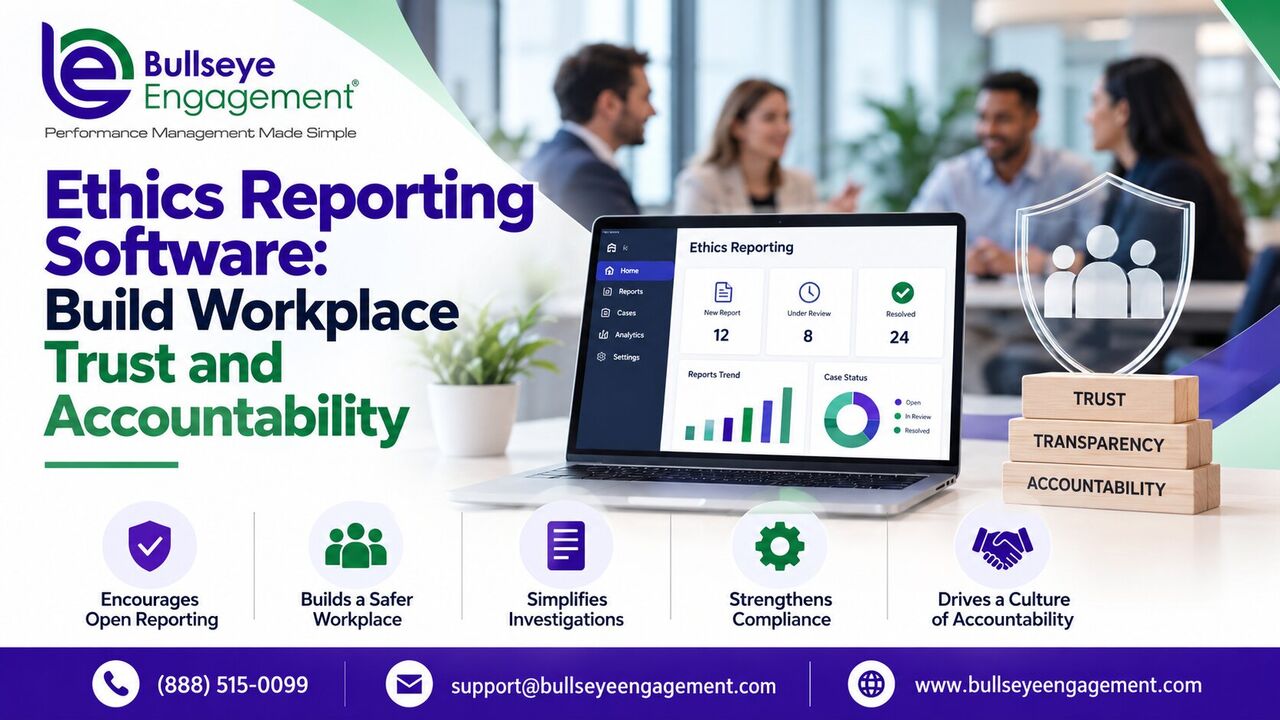
Reporting software gives employees a route to raise concerns and gives designated staff a record to act on. Trust depends on how that record is handled after submission. The following assessment helps HR and compliance teams examine the process before launch or during a review.
Assess evidence before marking a checkpoint complete
A policy’s existence provides limited evidence that the reporting process works. The confidence gap described in ESG Dive’s September 2026 reporting makes employee experience a necessary part of the assessment. Mark each checkpoint verified only when a demonstration or documented case supports it, and keep unresolved gaps open until someone has corrected and retested them.
Check 1: Identity protection matches the reporting promise
An anonymous route should allow submission without requiring the reporter’s identity. Confidential reporting differs because an authorized recipient knows that identity but restricts disclosure. Inspect required fields and access permissions, including information shown in exports. A warning sign is an “anonymous” form that automatically attaches employee identifiers.
Bullseye Engagement describes Ethics Lifeline as accepting anonymous reports visible to selected leaders. When assessing Anonymous Employee Reporting Software, request a demonstration of what each recipient can see. Remove unnecessary identity collection and explain that incident details may still allow others to infer who reported, even when the submission omits a name. Ask what technical information is retained alongside a submission, including network addresses and attachment details. Review who can access that information and how long it remains available. Request written confirmation of any limits on anonymity before using that promise in employee communications.
Check 2: Employees can reach and use the reporting route
Employees need a reporting route they can access under their actual working conditions. The ACFE’s 2026 Report to the Nations examined 2,402 occupational fraud cases across 143 countries and territories. The report identifies web reporting at 46% and email at 34% among the most common mechanisms used to report fraud tips. These findings concern fraud reporting and support testing channel choice rather than assuming a phone number alone meets workforce needs.
Ask frontline and remote employees to locate the reporting instructions without coaching. Examine completion barriers on the devices they actually use, including language and accessibility needs. If employees must ask their supervisor for access, provide a direct alternative and test it before announcing availability.
Check 3: Reports bypass anyone implicated in the allegation
Every report needs an accountable recipient who can act independently of the person named. Examine routing rules and the backup arrangement for an absent case owner. The warning sign is a complaint about a manager being sent automatically to that manager or someone whose decisions the manager controls.
Correct the gap by documenting an independent escalation route and testing a report involving senior leadership. Bullseye Engagement says Ethics Lifeline directs complaints to designated leaders and provides alerts, making recipient selection a relevant demonstration point when reviewing Whistleblower Reporting Software for this purpose. Confirm how conflicts are handled in the proposed configuration, including whether an alternative recipient can take responsibility without exposing the report to the implicated person.
Check 4: Investigations have a documented response standard
A report should enter a defined investigation process with a responsible owner. The DOJ’s September 2024 compliance evaluation guidance asks about independent investigations and timing metrics, including whether companies test a report from submission through completion. This guidance informs prosecutors’ assessments of corporate compliance programs; it offers useful review questions rather than a software certification.
A usable intake form lets employees describe events in their own words. During a Harassment Reporting Tool assessment, inspect how the team records the allegation and decides what immediate protection may be needed. Review investigation records for assigned responsibility and reasons for delays. A case marked closed without a documented finding or reason for closure is a warning sign. Correct this by defining response expectations according to urgency and requiring a recorded rationale for the final decision.
Check 5: Closed cases produce evidence of corrective action
Accountability requires evidence that agreed corrections were completed. Compare case findings with action records, and check whether recurring issues have received a different response. A dashboard showing case closures without evidence of completed corrections leaves this checkpoint unresolved.
Bullseye Engagement describes incident analytics covering frequency, severity and location. During an Ethics Reporting Software demonstration, ask how those views help reviewers identify repeat concerns while limiting access to sensitive details. Assign an owner to each corrective action and verify completion separately from administrative case closure. Confirm which records the product maintains and which responsibilities remain with your team.
Check 6: Retaliation concerns receive continuing review
A functioning process checks what happens to reporters after submission and after the original case closes. In its March 2026 whistleblower protection report, GAO reviewed guidance calling for timely, independent retaliation investigations and remedies when retaliation is confirmed. GAO also reported specialists’ view that increased awareness of reporting channels may increase reports, so a rising count alone doesn’t establish worsening conduct.
Examine how the team reviews reported changes in a person’s treatment at work. An unexplained adverse change deserves assessment, although timing alone doesn’t prove retaliation. If the process ends at case closure, add follow-up and a separate escalation route for retaliation concerns. Train managers to recognize these concerns and require an independent reviewer to examine disputed treatment.
A useful review record should show the concern raised and the evidence used to evaluate it. Check whether the person reviewing the employment decision is independent of the manager whose conduct is questioned. Where a reporter has remained anonymous, explain how they can raise a new concern through an available reporting route. Confirm that the proposed process actually supports follow-up before telling employees it does.
When several checkpoints fail, repair the process before expanding it
Several unresolved checkpoints call for a coordinated repair plan with named owners. Prioritize identity exposure and conflicted routing, then address failures that leav