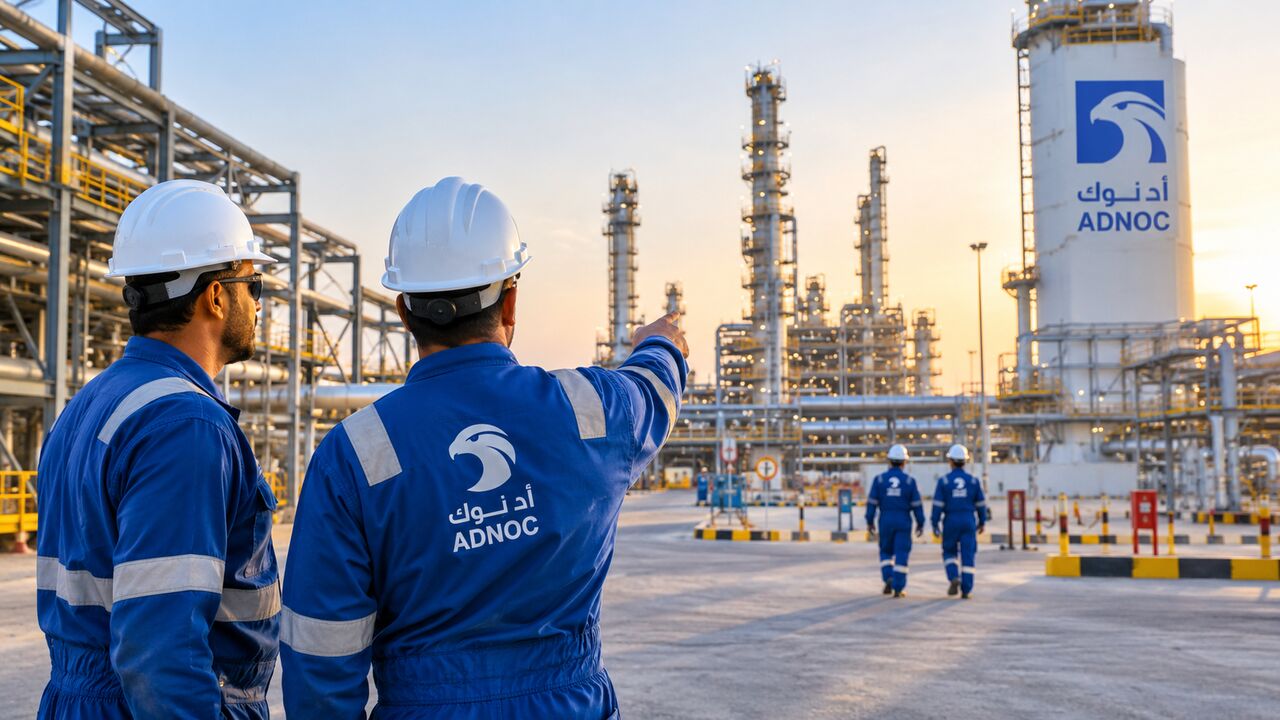
What Makes ADNOC Contractors in Ruwais Reliable?
Reliable industrial contractors in Ruwais stand out through strong safety practices, proven technical expertise, effective project planning, quality management, and experience working in complex industrial environments. ADNOC prequalification can support contractor evaluation, but consistent project performance remains equally important.
Approval status is a valuable starting criterion, but it does not give a comprehensive view. Several factors distinguish dependable industrial contractors, including their safety performance, technical capabilities, planning methods, and ability to manage complex projects.
Why Contractor Selection Matters in Ruwais
Industrial jobs in Ruwais include plant shutdowns and turnarounds, pipeline modifications, electrical and mechanical maintenance, and civil construction activities within live industrial plants. These activities require meticulous coordination with the plant operator. Even a short delay of a few days during turnarounds can disrupt the entire production schedule.
Climate is another factor that requires thorough preparation instead of last-minute action. Summer heat, high humidity, and the coastal environment can jeopardize worker health, shorten equipment lifespan, and compromise material performance.
What Approved Status Actually Signals
Prequalification processes are common in the oil and gas industry. Contractors seeking prequalification are assessed on criteria including financial stability, technical expertise, quality management systems, safety records, and compliance with local labor laws. Prequalification helps establish whether a contractor meets the applicable technical, financial, safety, and quality requirements.
However, approval is a baseline. Performance on live projects, consistency over time, and the depth of a contractor’s systems are what separate strong firms from weaker ones. Readers can find further context on the sector’s direction in this overview of emerging trends in the Ruwais contracting industry.
Key Traits of Reliable Industrial Contractors
1. A Visible Safety Culture
Contractors committed to safety treat it as an ongoing process rather than merely a matter of documentation. Indicators include a low incident rate, regular toolbox meetings, strict permit-to-work procedures, active near-miss reporting, and trained safety officers present on-site. Employees must be informed about hazards such as confined spaces, hot work, and working at heights, while supervisors need the authority to halt unsafe work.
2. Technical Depth and Multi-Discipline Capability
An industrial job site does not require one discipline. Disciplines like mechanical, electrical, instrumentation, piping, and civil engineering are closely interconnected. A company's ability to manage multiple disciplines helps minimize interface issues between different subcontractors.
3. Strong Planning and Project Control
Reliable organizations use formal planning involving schedules, resource loading, risk registers, and progress reporting. They identify delays promptly and provide effective solutions. Organizations that rely on informal planning often discover delays only when it is too late and expensive to address them.
4. Quality Systems and Documentation
Traceability is essential to industrial customers. A dependable contractor diligently tracks inspections and testing, material certifications, equipment calibrations, and project handovers. Compliance with recognized management standards—such as ISO systems for quality, environment, and occupational health and safety—promotes consistency across operations.
5. Workforce Competence and Welfare
Labor is often a limiting factor in many industrial projects. An effective contractor invests in training, licensing, and supervision, and also ensures proper accommodation, transportation, and welfare facilities for workers. Well-managed, stable teams consistently deliver higher-quality workmanship and maintain stronger safety records.
6. Local Knowledge and Supply Chain Strength
Familiarity with Ruwais allows contractors to anticipate access restrictions and mobilization requirements. Having a local supply chain for materials, machinery, and spare parts is another factor that accelerates operations in the area. Contractors with experience in UAE industrial projects are often better positioned to understand regional operating conditions, safety requirements, and project coordination challenges.
7. Adaptability to Industry Trends
The contracting landscape in Ruwais is continually evolving. The use of digital technologies to track projects, maintenance strategies, localization, and sustainable approaches defines how things will be done. The contractors that embrace such concepts now are well prepared for future needs. Contractors that adopt digital project management, predictive maintenance, and sustainable operating practices may be better prepared for evolving industrial requirements.
Warning Signs to Watch For
Clients evaluating contractors may want to be cautious when they see:
Vague or incomplete safety records
Overreliance on subcontractors without clear oversight
Unrealistic bids that are far below market norms
Weak documentation practices
High workforce turnover
Limited experience with live-plant environments
How to Evaluate a Contractor Effectively
A realistic assessment involves document review and field verification. Some of the measures that can be taken include verifying the approval and validity of the documents, reviewing the safety record for a number of years, interviewing previous customers, visiting previous projects, and evaluating the qualifications of the individuals at the project site. A quick pre-award audit of the systems of the contractor may also bring some deficiencies to light.
FAQs
Q1. What does ADNOC approval mean for a contractor?
It generally means the contractor has passed the prequalification process used by the operator, covering technical, financial, safety, and quality criteria. It is a screening milestone rather than a guarantee of project performance.
Q2. Why is Ruwais important for industrial contracting?
Ruwais is home to a large refining and petrochemical complex and its supporting infrastructure, which creates steady demand for maintenance, construction, and turnaround services.
Q3. Which safety standards must industrial contractors adhere to?
Contractors typically follow operator requirements, local regulations, permit-to-work systems, and recognized frameworks such as ISO 45001 for occupational health and safety.
Q4. How can clients verify a contractor’s reliability?
They can review safety and quality records, request references, audit management systems, inspect past work, and confirm the qualifications of site supervisors and tradespeople.
Q5. What trends are shaping contracting in Ruwais?
Digitalization, workforce upskilling, localization, sustainability targets, and predictive maintenance are among the trends influencing how contractors operate.
Q6. Is the l