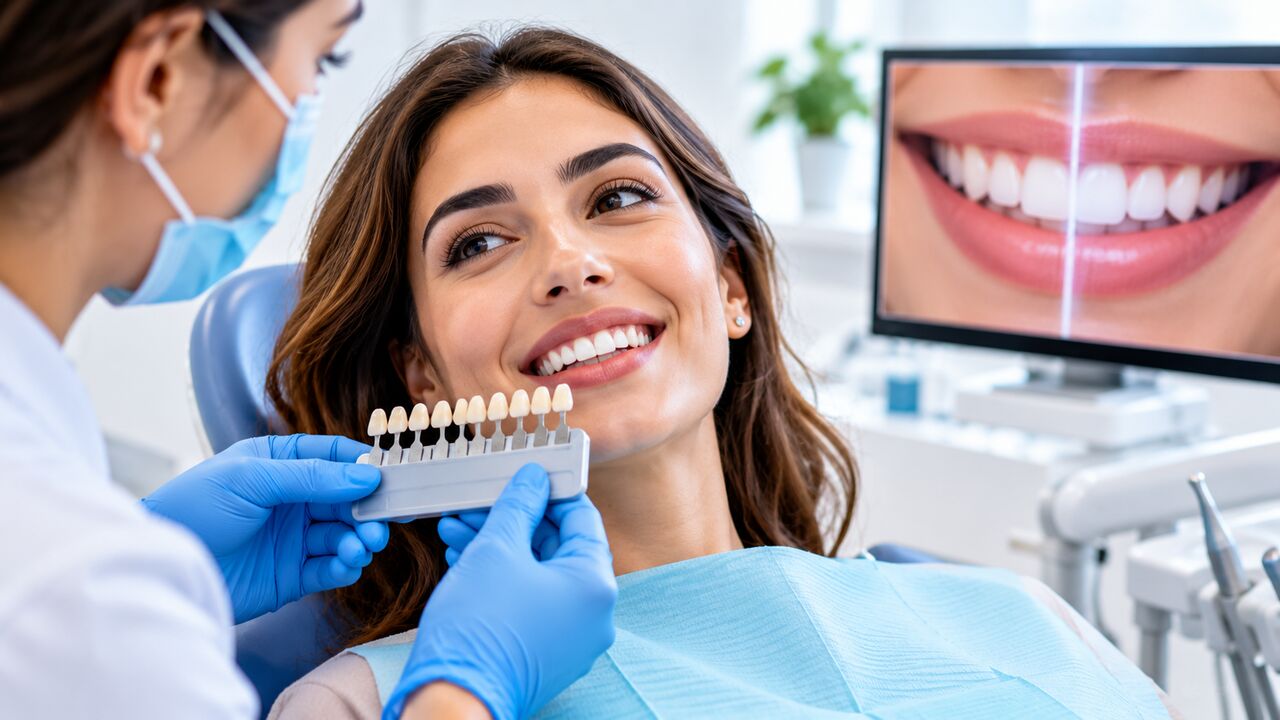
Teeth whitening in Abu Dhabi attracts growing interest, yet results vary widely from person to person. Two people can receive the same treatment and see different shades afterwards. The explanation usually lies in biology and daily habits that shape tooth colour long before whitening begins. This article outlines seven surprising factors, helping readers set realistic expectations and understand what dental professionals consider when assessing a smile.
What Determines Tooth Colour?
Tooth colour depends on enamel thickness, the shade of the dentine beneath, genetics, diet, medication, fluoride exposure, and past dental injury. Whitening mainly lifts surface and shallow stains, so the starting point matters as much as the method.
1. Enamel Thickness and Translucency
Enamel is naturally translucent, so thinner enamel lets the yellowish dentine show through. Some people are simply born with thinner enamel, which makes teeth look darker even when they are clean. Enamel also wears gradually through brushing habits, acidic foods, and grinding, which can deepen colour over time. Whitening cannot rebuild enamel, so thin enamel often limits how bright a result can look.
2. The Natural Shade of Dentine
Beneath enamel lies dentine, which ranges from pale yellow to brown or grey. Dentine continues to form throughout life and darkens with age, which is why teeth often look more yellow in later decades. Yellow-toned teeth generally respond better to whitening than grey-toned teeth, a distinction dentists check during an assessment.
3. Genetics and Family History
Genetic factors affect enamel composition, mineralization, and coloration. Certain people can have naturally lighter or darker teeth despite good dental habits due to genetics. The genetic factor also controls porosity of enamel, thus affecting the degree at which pigment attaches. That is why proper brushing cannot assure the same shade for everyone.
4. Regional Drinks, Spices, and Shisha
Daily routines in the Gulf can influence colour. Strong black tea, karak chai, Arabic coffee, and spice-rich dishes containing saffron or turmeric contain pigments called chromogens that cling to enamel. Shisha and tobacco add tar and nicotine, which produce stubborn yellow-brown stains. Frequent sipping throughout the day matters more than a single cup, because enamel is repeatedly exposed to pigments.
5. Medications and Medical Conditions
There are medications that change the color of teeth internally. For instance, if the tetracycline class of drugs is consumed during the formation of teeth, there will be a development of grey and brown bands on the teeth. Other medications such as some antihistamines and chlorhexidine mouth rinses can lead to staining of teeth.
6. Fluoride Levels During Childhood
Excess fluoride while teeth are forming can cause dental fluorosis, appearing as white flecks, streaks, or brownish patches. The condition relates to cumulative intake from water, toothpaste, and supplements in early years. Mild fluorosis is cosmetic, but whitening may make white spots more noticeable, so dentists often recommend complementary approaches.
7. Trauma, Old Fillings, and Dental Work
A blow on the tooth may cause damage to its nerve, which causes discoloration of that particular tooth from within. The root treated teeth may also get discolored and may appear gray in color over time. Amalgam fillings may cause discoloration by throwing a shadow through enamel, and the composite filling/crown does not bleach with the bleaching gel.
Professional Assessment Before Whitening
Because so many variables are involved, dental clinics in the UAE typically begin with an examination rather than a standard treatment. Providers such as Retaj Medical describe cosmetic dentistry consultations as the stage where stain type, enamel condition, and existing restorations are reviewed. More information on available cosmetic procedures is published on the Retaj Medical cosmetic dentistry page. Findings from that review guide realistic expectations and decisions about timing and technique.
Frequently Asked Questions
Q1. How long does teeth whitening last in Abu Dhabi?
Results typically last from several months to two years, depending on diet, smoking, and oral hygiene. Regular dental cleanings and limiting staining drinks help maintain shade.
Q2. Why do some teeth not respond to whitening?
Grey, tetracycline-related, or trauma-related discolouration sits deep inside the tooth, beyond the reach of most whitening agents. Crowns, veneers, and fillings also remain unchanged. Alternatives such as veneers or bonding may be discussed.
Q3. Is teeth whitening safe for enamel?
When supervised by a licensed dentist and used as directed, whitening is generally considered safe. Temporary sensitivity is the most common side effect. Unregulated over-the-counter kits and unsupervised products carry higher risks of gum irritation and uneven results.
Q4. Can diet alone change tooth colour?
Diet influences surface stains significantly, but it does not alter dentine or genetics. Rinsing with water after tea or coffee and using a straw for cold drinks reduces pigment contact.
Q5. Who should avoid teeth whitening?
Children, pregnant or breastfeeding women, and people with untreated cavities or gum disease are usually advised to wait or seek treatment first. A dental examination confirms suitability.
Conclusion
Tooth colour is shaped by far more than brushing and coffee intake. Enamel thickness, dentine shade, genetics, regional drinking and smoking habits, medications, fluoride exposure, and dental history all combine to create each person’s baseline. These factors explain why teeth whitening in Abu Dhabi produces different outcomes for different individuals, and why professional assessment matters before choosing a method. Readers considering treatment may benefit from learning about their own stain type first, keeping realistic expectations, and consulting a licensed dentist. Clinics including Retaj Medical publish general guidance on cosmetic dental options, which can serve as a starting point for informed questions. Understanding what lies beneath the surface makes any decision about a brighter smile clearer.