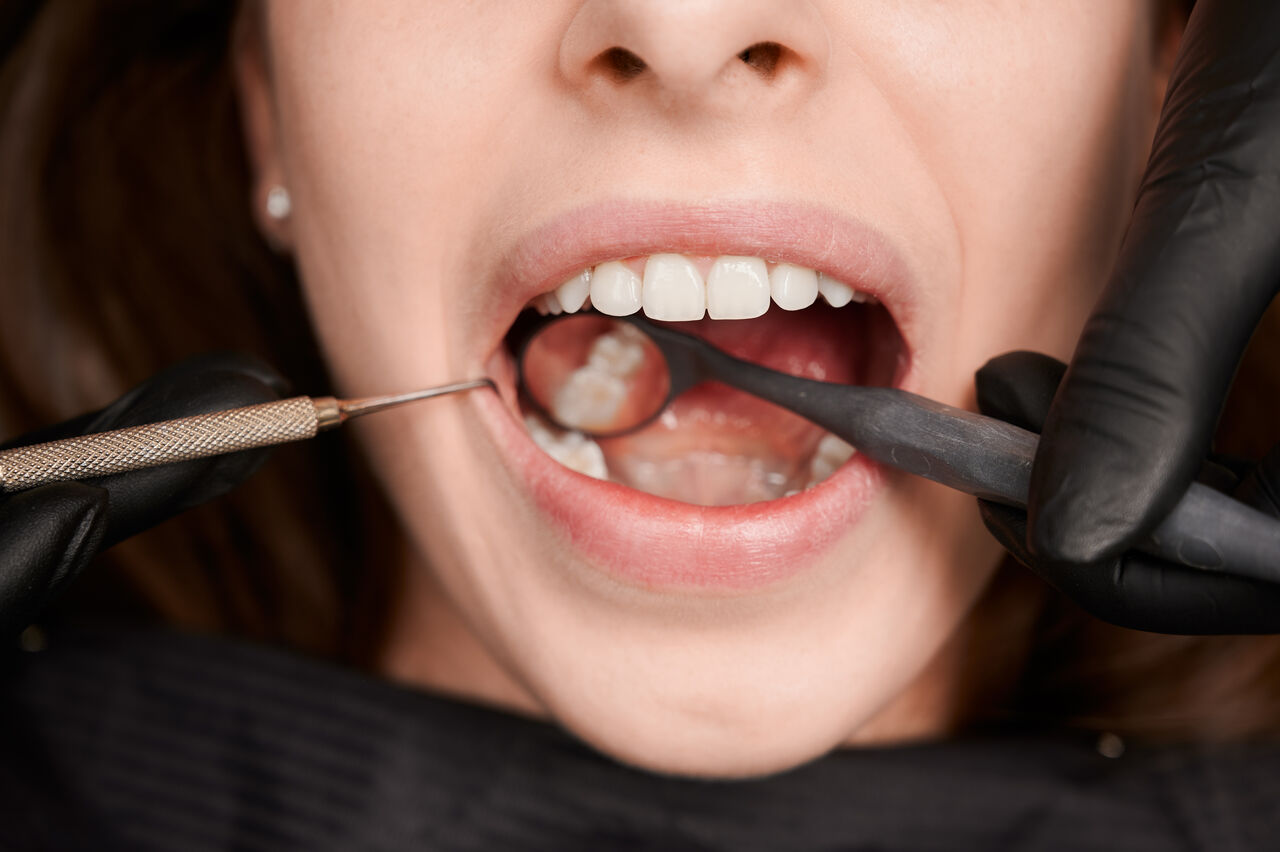
Maintaining good oral health involves recognising dental problems before they become serious. A Cavity is one of the most common dental concerns, developing when bacteria in the mouth produce acids that gradually damage tooth enamel. While cavities may not cause noticeable discomfort in their early stages, identifying the warning signs can help prevent further tooth damage and the need for extensive dental procedures.
Common Early Signs of a Cavity
Understanding the initial symptoms can help you seek timely dental care. Some common signs include:
White or Brown Spots: Small white, brown, or dark spots on the tooth surface may indicate early enamel damage.
Tooth Sensitivity: You may experience mild discomfort when consuming hot, cold, or sweet foods and beverages.
Occasional Toothache: An early cavity may cause slight discomfort, particularly when chewing or applying pressure.
Visible Holes or Pits: Small openings or rough areas on the tooth surface can indicate developing tooth decay.
Food Getting Stuck: If food frequently gets trapped between certain teeth, it may be worth getting the area examined by a dentist.
Not every symptom necessarily indicates a cavity, so a professional dental examination is important for an accurate diagnosis.
What Causes Cavities to Develop?
Cavities generally develop due to plaque buildup, frequent consumption of sugary foods and drinks, inadequate brushing, and poor oral hygiene. When bacteria feed on sugars, they release acids that weaken tooth enamel. Without proper care, the damage can gradually progress into deeper layers of the tooth.
What Is the Best Treatment for Cavity?
The appropriate treatment for cavity depends on how advanced the tooth decay has become. In the early stages, fluoride treatments may help strengthen enamel and reverse mineral loss. If a cavity has already formed, a dental filling may be required to remove the decayed portion and restore the tooth.
For deeper decay affecting the tooth pulp, root canal treatment may be recommended. Regular dental check-ups can help identify problems early and reduce the risk of complications.
When Should You Visit a Dentist?
Do not ignore tooth sensitivity, visible spots, or recurring discomfort. Early diagnosis can help preserve your natural teeth and prevent more complicated dental procedures.
For professional dental examinations, personalised cavity treatment, and comprehensive oral care, consult Smiles N Braces.