Skin treatments in Dubai range from relaxing spa facials to medical procedures performed by licensed practitioners. Platelet-rich plasma, widely known as PRP, belongs to the second group, yet it is often mentioned alongside facials because both aim to improve how skin looks and feels. Residents searching for PRP treatment in Dubai frequently ask whether it is simply a more advanced facial. The short answer is no. The two differ in method, depth, purpose, and expected results.
What Is PRP Treatment?
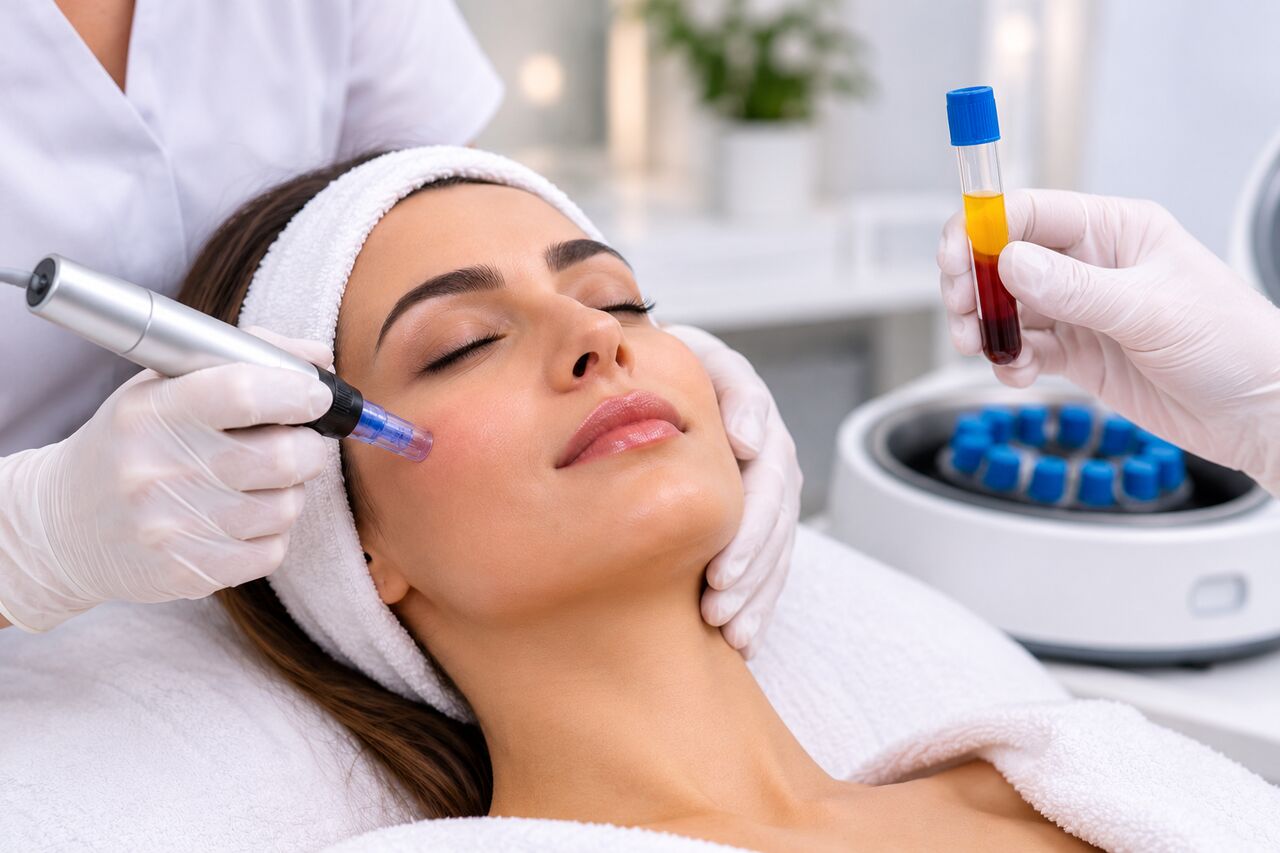
PRP is an autologous technique; hence, it uses one’s own blood. This entails extracting a bit of blood, which is centrifuged to separate the platelets from other elements of the blood. Platelets have growth factors that play an important role in healing and production of collagen. The isolated platelets are then introduced back into the skin either by injecting or via microneedling.
The objective is to induce healing in the skin. PRP therapy induces the skin to heal itself gradually. It results in an improved tone, texture, and firmness of the skin. PRP treatment is considered to be very safe since it does not elicit any allergic reactions.
How Does a Regular Facial Work?
Standard facial treatments are essentially aesthetic or spa treatments. They normally consist of cleanser, exfoliation, steaming, extractions, masks, massage, and moisturizer. There are those that include peels, LED treatment, or hydrating serums.
Facials mainly focus on treating the skin’s surface layer. They may leave the skin feeling refreshed, hydrated, and smoother for days or even weeks. This means that they are very useful in maintenance as well as in relaxation.
What Are the Key Differences?
The most important difference is purpose. A facial is a cosmetic service focused on cleansing, hydration, and glow, usually delivered by an aesthetician using topical products. PRP is a clinic-based medical procedure performed by a licensed doctor or trained medical professional, using the patient’s own plasma.
Depth also differs. Facials act on the surface and upper layers, while PRP reaches the deeper dermal layers through micro-channels or injections, aiming to stimulate collagen.
Results and recovery follow from this. Facial results are immediate but short-lived, with little or no downtime. PRP results build gradually over weeks, and mild redness and swelling may last a few days.
What Results Can Patients Expect?
PRP for face treatments is commonly used to address:
Fine lines and early signs of ageing
Dull or uneven skin tone
Mild texture irregularities
Acne scarring, often as part of a wider plan
General skin quality and radiance
Many patients notice improvement a few weeks after a session as collagen production increases, with fuller effects appearing over two to three months. Practitioners commonly recommend a series of sessions spaced several weeks apart, followed by occasional maintenance. Outcomes vary with age, skin condition, lifestyle, and the number of sessions. PRP does not replace surgical procedures and cannot guarantee noticeable or dramatic results.
What Does a PRP Session Involve?
Consultation. A practitioner reviews medical history, skin concerns, and expectations.
Blood draw. A small quantity of blood is collected, just as it would be for a typical blood test.
Processing. The sample is centrifuged to isolate the plasma.
Preparation. Numbing cream is often applied to the face.
Application. PRP is introduced through microneedling or targeted injections.
Aftercare. Patients receive instructions for the following days.
Appointments commonly last around 60 to 90 minutes.
What Are the Side Effects and Recovery Expectations?
Common effects include redness, mild swelling, tightness, and pinpoint marks, usually settling within a few days. Some patients experience temporary bruising or tenderness. Rare risks include infection or uneven results, which is why sterile technique and qualified practitioners matter.
PRP may not be suitable for people with certain blood disorders, active skin infections, some autoimmune conditions, or those taking blood-thinning medication. A medical assessment helps determine suitability.
How Should Patients Choose a Provider in Dubai Marina?
Dubai Marina, JBR, and nearby neighbourhoods host many aesthetic clinics, so patients looking for PRP treatment in Marina or PRP for face in Marina can compare options carefully:
Licensing. Clinics and doctors should be licensed by the Dubai Health Authority.
Qualified practitioners. Medical training and experience with PRP matter.
Sterile equipment. Single-use kits and clean procedures reduce risk.
Clear consultation. A trustworthy provider explains benefits, limits, and alternatives.
Transparent pricing. Costs per session and recommended session numbers should be stated upfront.
Convenience matters, but credentials come first. Drypskin, among other Dubai clinics, describes its PRP service at https://drypskin.com/prp-dubai, which offers readers a reference for what a typical treatment page covers.
How Can Patients Support Their Results?
Apply broad-spectrum sunscreen daily, which is especially important in the UAE
Avoid harsh exfoliants or active ingredients immediately after treatment unless advised otherwise
Stay hydrated and maintain a gentle skincare routine
Follow the practitioner’s guidance on makeup, exercise, and sun exposure
Frequently Asked Questions
Q1. Is PRP the same as a facial?
No. A facial is a surface-level cosmetic treatment, while PRP is a medical procedure that uses the patient’s own plasma to stimulate collagen and skin repair.
Q2. How long does PRP take to show results?
Early improvement may appear within a few weeks, with fuller results typically seen after two to three months.
Q3. How many PRP sessions are needed?
Many practitioners suggest a series of three sessions spaced a few weeks apart, though the right number depends on individual needs.
Q4. Is PRP painful?
Numbing cream is usually applied, so most people report mild discomfort or pressure.
Q5. Is there downtime?
Redness and swelling commonly last a few days. Most people return to normal activities quickly.
Q6. Who should avoid PRP?
People with certain blood conditions, active infections, or on blood thinners may be advised against it. A consultation clarifies suitability.
Conclusion
PRP and regular facials serve different purposes. Facials refresh and hydrate the surface, while PRP works at a deeper level by using the patient’s own growth factors to encourage collagen production and improve skin quality over time. Anyone exploring PRP treatment in Dubai or PRP for face in Dubai Marina benefits from checking licences, asking about technique and expected outcomes, and comparing information from several providers, including Drypskin and other established clinics. With realistic expectations and professional guidance, patients can decide whether PRP suits their skin goals.