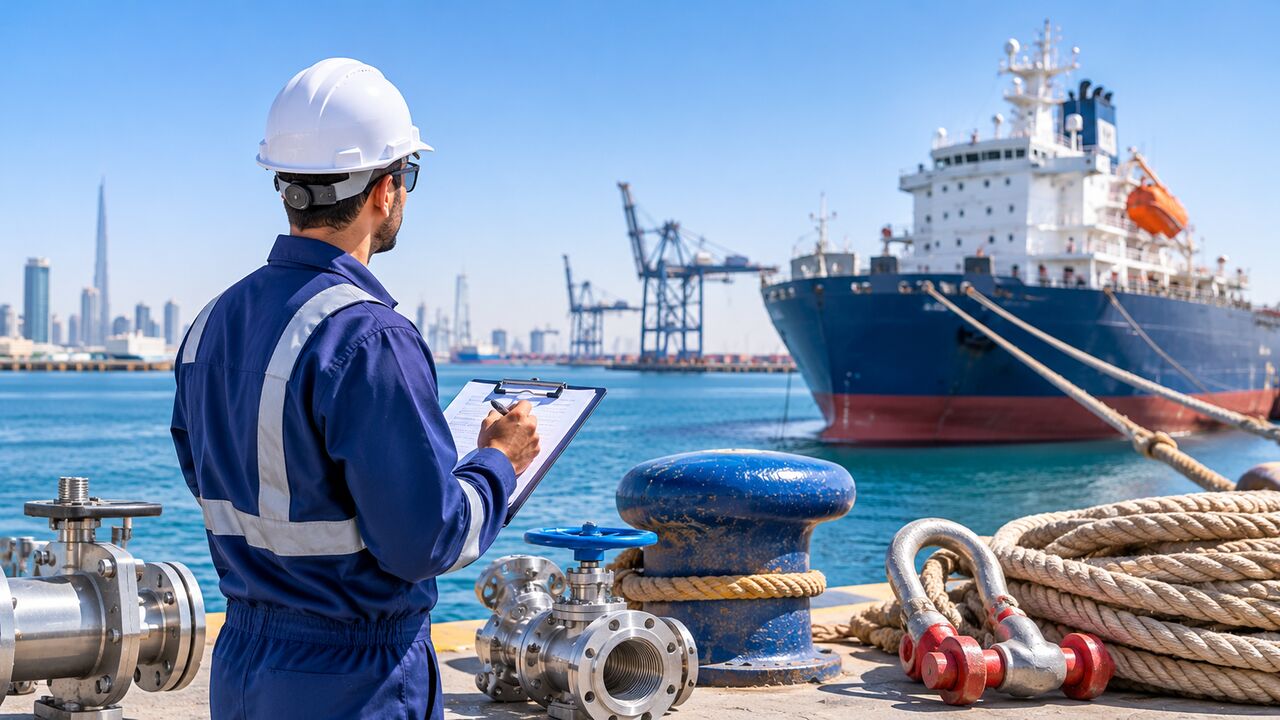
Marine equipment in the UAE faces some of the toughest operating conditions in the world. Gulf waters are warm and highly saline, summer temperatures are extreme, and humidity accelerates corrosion on vessels, ports, and offshore assets. For operators, shipyards, and contractors, equipment that fails early means downtime, repair costs, and safety risks. This article explains what makes marine equipment durable in regional conditions and what buyers should look at when comparing marine equipment suppliers in UAE.
Why Are UAE Waters So Demanding?
The Arabian Gulf is among the saltiest and warmest bodies of seawater globally, with surface temperatures often exceeding 30°C in summer. Several factors combine to stress marine equipment:
High salinity: Speeds up corrosion of metals and fittings
Heat and UV exposure: Degrades seals, coatings, hoses, and polymers
Humidity and salt-laden air: Affects electrical systems and exposed hardware
Sand and dust: Accelerate wear on moving components and clog filters.
Biofouling: Marine growth that affects hulls, intakes, and cooling systems
Equipment that performs well in cooler or less saline regions may not offer the same service life in these conditions.
What Makes Marine Equipment Durable?
1. Material Selection
Material choice is the first line of defense against corrosion. Marine-grade stainless steel (such as 316L), duplex and super duplex stainless steels, bronze, and copper-nickel alloys are widely used because of their resistance to seawater. Galvanized and coated carbon steel can also be suitable when protective systems are properly applied and maintained.
2. Protective Coatings and Cathodic Protection
Marine-grade paints, epoxy coatings, and sacrificial anodes extend the life of hulls, structures, and submerged components. Quality of surface preparation and coating application often matters as much as the coating product itself.
3. Sealing and Electrical Protection
Ingress protection ratings, corrosion-resistant connectors, and sealed enclosures help prevent water and salt from reaching sensitive components. In high-humidity environments, these details strongly influence reliability.
4. Certification and Standards
Reputable marine equipment typically complies with recognized standards and classification society requirements, such as those from DNV, Lloyd’s Register, ABS, or Bureau Veritas, along with IMO regulations and relevant ISO standards. Documentation and traceability support both safety and insurance requirements.
5. Design for Maintenance
Equipment that is accessible, serviceable, and supported by available spare parts is generally more cost-effective over its lifetime than a cheaper unit that is difficult to maintain.
What to Evaluate in a Supplier
Durability depends not only on the product but on the company supplying it. When reviewing marine equipment suppliers in Dubai and across the Emirates, buyers often consider:
Product range: Pumps, valves, fittings, safety gear, mooring and lifting equipment, and related components
Certification and test documentation: Material certificates, inspection reports, and compliance records
Brand and manufacturer partnerships: Authorized distribution supports warranty and genuine parts
Local stock and lead times: Quick availability reduces vessel or project downtime
Technical support: Guidance on selection, installation, and after-sales service
Experience with regional conditions: Familiarity with Gulf operating environments
Companies such as Hydromax present their marine and oil and gas product categories publicly on their marine equipment suppliers page, which gives buyers a way to review product scope before making an inquiry. Comparing this kind of information across suppliers helps procurement teams shortlist options more efficiently.
Matching Equipment to the Application
Different sectors have different priorities:
Offshore oil and gas: Corrosion resistance, pressure ratings, and compliance with strict safety standards
Commercial shipping and ports: Reliability, availability of spares, and quick turnaround
Shipyards and marine construction: Robust tools, lifting gear, and fittings
Leisure and yachting: Aesthetic finishes combined with corrosion resistance and low maintenance
Defining the application clearly helps avoid over-specifying or under-specifying equipment.
The Role of Lifecycle Cost
Purchase price tells only part of the story. A lower-cost component that corrodes within a year can cost more once replacement, labor, and downtime are counted. Procurement specialists increasingly compare total cost of ownership, including service intervals, spare part availability, and expected service life. In practice, suppliers like Hydromax and others serving the UAE market are often evaluated on how well their product recommendations reflect long-term performance rather than just upfront pricing.
Maintenance Practices That Extend Equipment Life
Rinse equipment with fresh water after exposure where practical
Inspect seals, gaskets, and coatings regularly
Replace sacrificial anodes on schedule
Store spare parts in controlled, dry conditions
Keep records of inspections and repairs
Good maintenance often determines whether equipment reaches or exceeds its expected service life.
FAQs
Q1. What materials are best for marine equipment in the UAE?
Marine-grade stainless steel (316L), duplex stainless steel, bronze, and copper-nickel alloys are common choices due to their resistance to saltwater corrosion. The best option depends on the application and budget.
Q2. Why does marine equipment corrode faster in the Gulf?
High salinity, elevated temperatures, and humidity speed up electrochemical reactions that cause corrosion.
Q3. How can buyers verify the quality of marine equipment?
Request material certificates, test reports, and compliance documents, and confirm whether products meet relevant classification society or ISO standards.
Q4. What should I look for in marine equipment suppliers in Dubai?
Consider product range, certifications, manufacturer authorization, stock availability, technical support, and experience with regional marine conditions.
Q5. Is the cheapest option ever a good choice?
Sometimes, for non-critical applications. For essential components, lifecycle cost and reliability usually matter more than initial price.
Q6. What is the recommended inspection frequency for marine equipment?
Inspection intervals depend on equipment type, usage, and manufacturer guidance, but routine checks are advisable, with more detailed inspections at scheduled service periods.
Q7. Do UAE regulations affect marine equipment selection?
Yes. Vessels and facilities must comply with national requirements and international maritime standards, so equipment documentation is important.
Conclusion
Marine equipment in the UAE must withstand heat, salt, humidity, and constant exposure. Durable performance depends on the right materials, protective systems, certification, and maintenance, along with a supplier able to provide documentation and technical guidance. For anyone comparing marine equipment suppliers in UAE, focusing on lifecycl