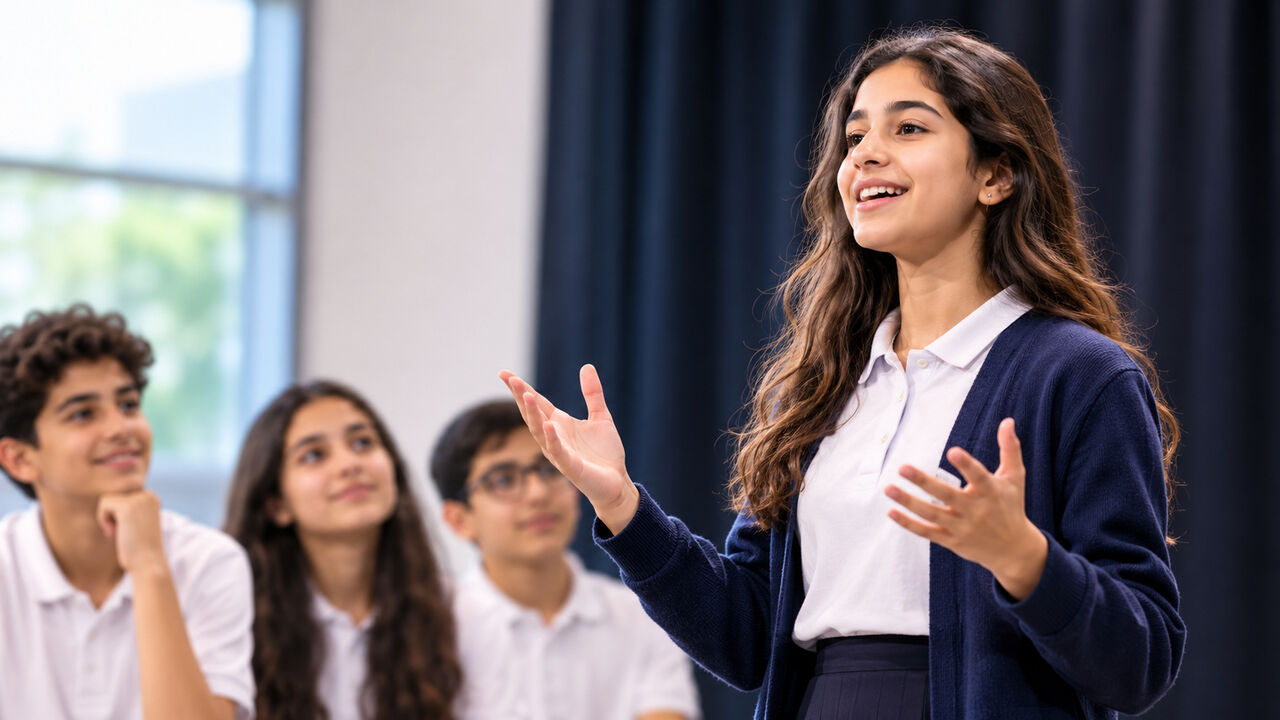
Quick answer: Academic success shows knowledge and discipline, but it does not guarantee the ability to express ideas, lead teams, or adapt to change. Skills such as public speaking, critical thinking, collaboration, and emotional intelligence help students turn qualifications into real opportunities.
What Grades Show, and What They Miss
Grades measure how well a student absorbs and reproduces information under set conditions. They reflect effort, consistency, and subject understanding. However, they rarely capture how a student:
Explains an idea to others
Handles disagreement or feedback
Works within a team
Thinks creatively under pressure
Presents confidently in unfamiliar settings
A student with excellent results may still struggle in interviews, group projects, or presentations. Others with average grades but strong communication skills often stand out because they can articulate their value.
Skills Employers and Universities Increasingly Value
Skill sets that include analytical thinking, creativity, leadership, and communication have been emphasized in various reports by bodies such as the World Economic Forum in relation to the changing job market. In addition, admission boards consider aspects other than grades, which include interviews, personal statements, and extra-curricular activities in order to gauge the personality of the candidate.
Communication is particularly important for professionals in Dubai since the workplace environment involves people speaking different languages.
Why Public Speaking Matters
Public speaking is often misunderstood as a talent reserved for confident personalities. In practice, it is a set of learnable skills: structuring a message, controlling voice and pace, using body language, and managing nerves.
Benefits for students include:
Confidence: Regular practice reduces fear of speaking in front of others.
Clarity of thought: Organizing a speech improves reasoning and writing.
Leadership: Speaking up in class or clubs builds influence and initiative.
Academic performance: Oral presentations, debates, and viva-style assessments become easier.
Interview readiness: Students learn to answer questions calmly and concisely.
The Role of Structured Training
Many students develop speaking skills informally, but guided practice speeds up progress. Feedback from trained instructors helps learners notice habits they cannot see themselves, such as filler words, rushed delivery, or closed posture. Drama-based and communication-focused programs, such as those offered by Dramascene in Dubai, use exercises in voice, expression, and storytelling to help students build these abilities gradually. More information is available on its public speaking page.
What to Look for in Public Speaking Courses for Students
When comparing programs, parents and students may consider:
Age-appropriate design: Content should match the learner’s maturity and experience.
Practical focus: Frequent speaking practice matters more than theory alone.
Constructive feedback: Encouraging but honest guidance supports steady improvement.
Small group size: More individual attention leads to better progress.
Real audiences: Showcases or presentations create meaningful experiences.
Supportive atmosphere: Students improve faster when they feel safe to make mistakes.
Supporting Communication Skills at Home and School
Training is only one part of development. Families and schools can help by encouraging students to share opinions at the dinner table, join debate clubs, present projects, read aloud, or take part in school assemblies. Small, regular opportunities build confidence more effectively than occasional high-pressure events.
Frequently Asked Questions
Q1. Why are soft skills important if a student already has high grades?
Grades show knowledge, while soft skills determine how effectively that knowledge is applied, shared, and developed in teams and workplaces.
Q2. At what age can students start learning public speaking?
Children can begin with storytelling and expressive activities at a young age, while more structured speech skills often suit pre-teens and teenagers.
Q3. Is public speaking only for confident students?
No. Shy students often benefit most, as gradual practice helps build comfort over time.
Q4. How long does it take to see improvement?
Many students notice better confidence within a few weeks of regular practice, though lasting growth takes months.
Q5. Can public speaking improve academic results?
Indirectly, yes. Better organization, clearer thinking, and stronger presentation skills can support performance in assessments and projects.
Q6. How do public speaking courses for students in Dubai differ from school activities?
Dedicated courses typically offer focused instruction, structured feedback, and more speaking time than general school activities.
Conclusion
Academic achievement remains important, but it is only one part of readiness for the modern world. Communication, confidence, and adaptability increasingly shape how far students can go. Public speaking courses for students in Dubai, including programs from providers such as Dramascene and other established institutions, offer one route to building these abilities. Ultimately, students who combine strong academics with clear expression and self-assurance are better equipped to turn knowledge into impact.