Introduction
Platelet-rich plasma, widely known as PRP, has become one of the most talked-about options in aesthetic medicine. Social media has amplified the buzz, which leaves many people asking whether the results match the attention. Those researching PRP for face Dubai will find strong enthusiasm alongside cautious clinical language. This article looks at what PRP is, what evidence suggests, and who may realistically benefit.
What Is PRP for the Face?
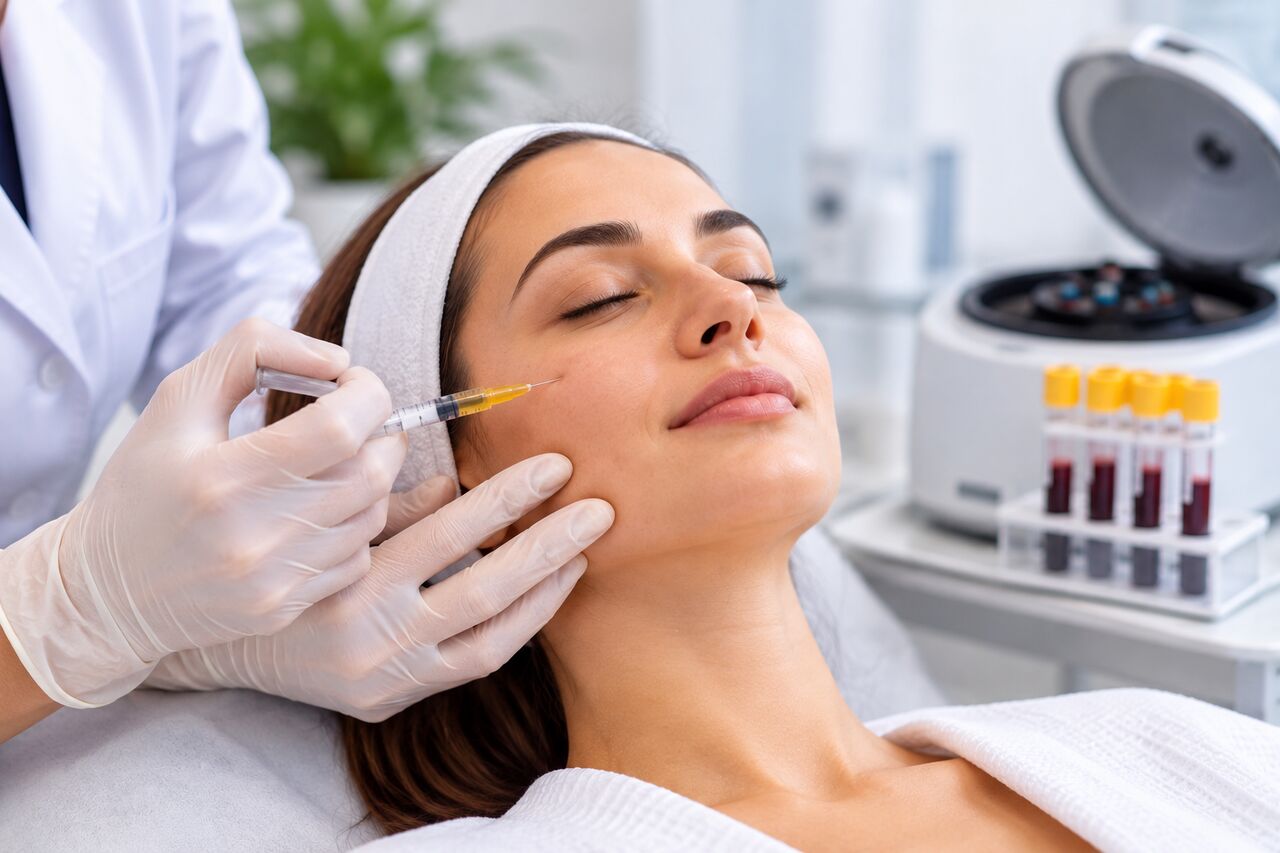
PRP is a procedure that makes use of the patient’s own blood for treatment. A small sample is drawn and spun in a centrifuge to concentrate the platelets, which contain growth factors involved in tissue repair. The resulting plasma is then applied to the skin, either through fine injections or alongside microneedling. The aim is to encourage collagen production and improve skin quality over time. Because it uses the patient’s own biological material, the risk of allergic reaction is generally low.
How Does PRP Work?
Platelets release proteins and growth factors when activated. In skin, these signals are thought to support cell regeneration, new collagen formation, and improved circulation. Rather than filling or relaxing facial features, PRP focuses on skin texture, tone, and overall freshness. That makes it a quality-focused treatment, not a volume-changing one.
What Can PRP Realistically Improve?
People often consider PRP for:
Dull or tired-looking skin
Fine lines and early signs of aging
Uneven texture and enlarged-looking pores
Mild acne scarring
Under-eye skin quality concerns
Skin recovery after other procedures
Results are typically described as subtle and natural. PRP is unlikely to replace the effect of a surgical lift or significantly change facial structure.
Is the Evidence Strong?
This is where the “hype” question matters. Research into PRP for facial rejuvenation has produced encouraging findings, particularly for skin texture and tone, but study sizes are often small and methods vary. Preparation techniques, platelet concentrations, and treatment schedules differ between clinics, which makes direct comparison difficult. Most dermatology literature describes PRP as promising and generally safe, while noting the need for larger, standardized trials. A balanced view is that PRP can offer modest, gradual improvement for suitable candidates, but it is not a miracle solution.
Who May Be a Suitable Candidate?
PRP is often considered by adults in their late 20s through 60s who want better skin quality without synthetic fillers. It may be less suitable for people with certain blood disorders, active skin infections, some autoimmune conditions, or those taking blood-thinning medication. A licensed practitioner should review medical history before recommending treatment.
What to Expect From a PRP Session
A typical session takes around 45 to 60 minutes, including blood collection and preparation. A topical anesthetic is commonly used to enhance patient comfort. Mild redness, swelling, or pinpoint marks can appear for a day or two. Most people return to normal routines quickly, though practitioners usually advise avoiding heavy sun exposure afterward. Many protocols involve a series of two to four sessions spaced several weeks apart, with visible improvement building gradually over a few months.
PRP Treatment in Dubai and Marina
Interest in PRP treatment Dubai has grown with the city’s expanding aesthetic sector, and residents of the Marina area often look for convenient options nearby. Anyone searching for PRP treatment Marina or PRP for face Marina may find it useful to check a few basics:
Practitioners hold valid medical licenses
The clinic uses sterile, single-use collection kits
A consultation and skin assessment happen before treatment
Expected results are explained honestly, without guarantees
Clinics such as Drypskin share procedure information publicly, including on their PRP in Dubai page, which can help prospective patients understand the process before attending a consultation. Reviewing details like these allows people to compare approaches and ask more informed questions.
FAQs
Q1. Is PRP for the face worth it?
For many people seeking gradual improvements in skin texture and radiance, it can be. Results are subtle and vary between individuals, so realistic expectations are important.
Q2. How many PRP sessions are usually needed?
Most protocols suggest two to four sessions, spaced four to six weeks apart, followed by occasional maintenance.
Q3. How long do PRP results last?
Improvements may last from several months to a year or more, depending on age, skin condition, and lifestyle. Maintenance sessions are common.
Q4. Is PRP safe?
Because it uses the patient’s own blood, it is generally considered low risk. Possible side effects include temporary redness, swelling, bruising, or tenderness.
Q5. Is PRP painful?
Discomfort is usually mild and manageable, especially with topical numbing.
Q6. Is PRP treatment available in Dubai Marina?
Yes, several aesthetic clinics in and around the Marina area offer PRP. Verifying practitioner credentials is advisable.
Q7. Can PRP be combined with other treatments?
It is often paired with microneedling or used after procedures such as lasers to support skin recovery. A practitioner can advise on suitable combinations.
Conclusion
PRP deserves attention, but not exaggeration. It offers a natural, autologous way to improve skin quality gradually, and current evidence supports its safety and modest benefits. It should not be considered an alternative to surgical or structural treatments. For anyone exploring PRP treatment in Dubai or PRP for face Marina, the best approach is a professional consultation, a clear understanding of the likely outcome, and realistic expectations. Whether PRP is worth it ultimately depends on individual goals and skin condition.