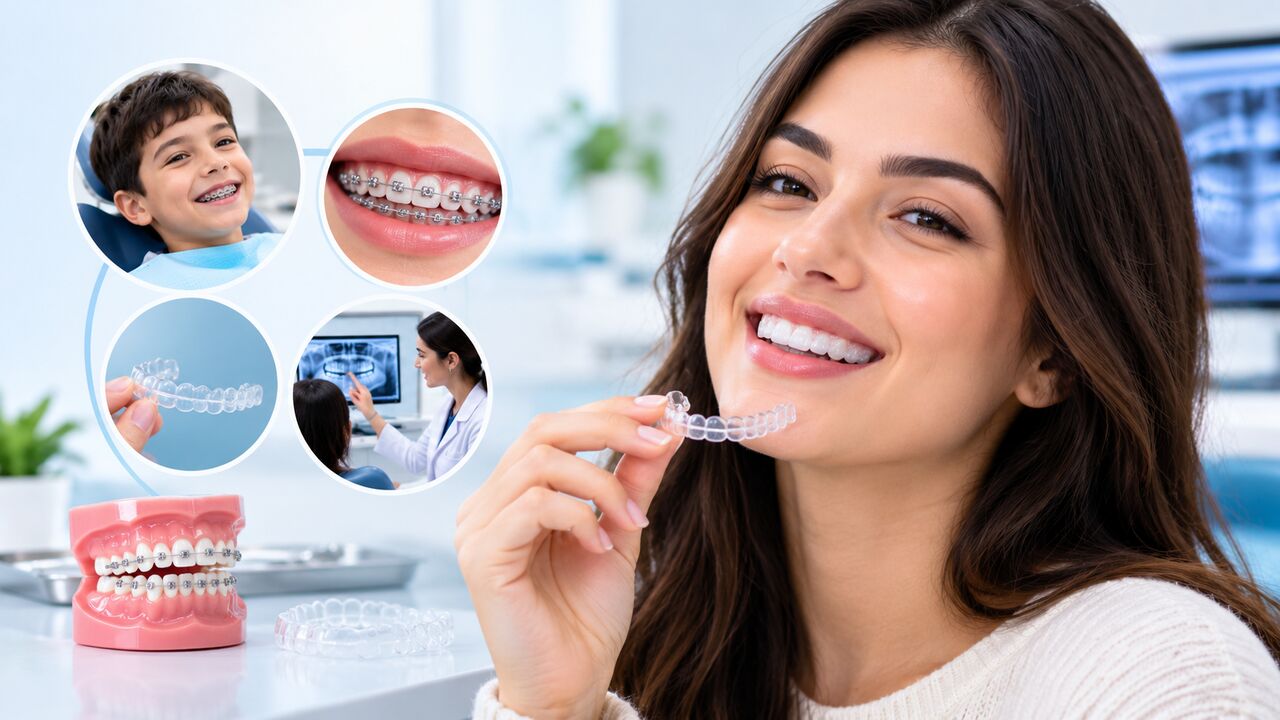
Crooked teeth, bite problems, and jaw concerns do not always announce themselves clearly. Many people delay seeing a specialist because they assume treatment is only for teenagers or purely cosmetic. In fact, orthodontic treatment offers benefits for people of all ages, including children, teenagers, and adults. Those searching for an orthodontist in Abu Dhabi often ask the same question: how do I know when it is time? This article explains the signs, the ideal ages for assessment, and the options available, including Invisalign.
What Does an Orthodontist Do?
An orthodontist is a dental specialist dedicated to correcting misaligned teeth and jaws. After completing dental school, orthodontists undertake additional specialist training focused on tooth movement and facial growth. Treatment commonly involves braces, clear aligners, retainers, or appliances that guide jaw development. A general dentist can identify early signs, but complex alignment and bite issues are typically managed by a specialist.
When should children first see an orthodontist for an evaluation?
Children should see an orthodontist for their first evaluation by age 7, as recommended by the American Association of Orthodontists. At this stage, a mix of baby and permanent teeth allows a specialist to spot developing problems. This does not mean treatment begins at seven. In many cases, the orthodontist simply monitors growth and recommends the best time to intervene. For some children, early treatment can guide jaw growth or create space for erupting teeth, which may simplify later care.
Signs a Child or Teen May Need Evaluation
Early or late loss of baby teeth
Difficulty chewing or biting
Mouth breathing or persistent thumb sucking beyond early childhood
Crowded, overlapping, or widely spaced teeth
Jaws that shift or make sounds when moving
Upper and lower teeth that do not meet properly
Speech difficulties linked to tooth position
Signs an Adult May Benefit From Treatment
Orthodontic care is available to patients of all ages, not just children and teens. Adults may consider evaluation if they notice:
Teeth that have shifted over time, particularly after past orthodontic work without retainer use
Crowding that makes cleaning difficult and increases the risk of decay or gum problems
Uneven wear on teeth caused by a misaligned bite
Jaw discomfort or frequent headaches linked to bite issues
Gaps or crossbites affecting appearance or function
A desire for straighter teeth before restorative or cosmetic work
Healthy teeth and gums can generally be moved at any age, though treatment planning varies.
Why Alignment Is Not Just Cosmetic
Straight teeth are easier to clean, which can reduce plaque buildup. A balanced bite distributes chewing forces more evenly and may lessen abnormal wear. Severe misalignment can also affect speech and jaw function. While appearance is an important motivation for many, the functional benefits often matter just as much.
Braces vs Invisalign: Understanding the Options
Traditional Braces
Brackets composed of metal or ceramic are bonded to the teeth and joined together with wires. This method effectively addresses a broad spectrum of cases, including complex alignment and bite issues.
Clear Aligners
Interest in Invisalign Abu Dhabi reflects a wider preference for discreet treatment. Invisalign involves a series of tailor-made, removable clear aligners that gradually reposition teeth into proper alignment. Benefits often include a less noticeable appearance, easier cleaning, and the ability to remove aligners when eating. However, aligners require discipline, since they usually need to be worn around 20 to 22 hours a day. They might not be appropriate for some complex cases, which should be evaluated by an orthodontist.
Retainers
After active treatment, retainers help keep teeth in their new positions. Skipping retainer use is a common reason for relapse.
How to Choose an Orthodontist in Abu Dhabi
In Abu Dhabi, dental facilities and practitioners are licensed by the Department of Health. Patients may consider:
Confirming licensing and specialist qualifications
Asking how many cases similar to theirs the orthodontist has treated
Reviewing diagnostic methods, such as X-rays and digital scans
Requesting a clear treatment plan with timeline and itemized costs
Checking that follow-up and retainer care are included in discussions
Dental centers such as Retaj Medical describe their orthodontic services publicly on their orthodontics page, which can help patients understand available approaches before booking a consultation. Comparing this information with what is said during an examination provides a clearer picture.
What to Expect at a First Consultation
A first visit typically includes a clinical examination, photographs, X-rays, and sometimes digital scans. The orthodontist explains findings, outlines treatment options, estimates duration, and discusses costs. Many patients are surprised to learn that treatment ranges from several months for mild cases to two years or more for complex ones. Retaj and similar multi-specialty centers may also coordinate orthodontic care with general dentistry, which can help when gum health or fillings need attention first.
Frequently Asked Questions (FAQs)
Q1. When should I see an orthodontist?
Children are often assessed around age 7. Teens and adults should consider an evaluation if they notice crowding, bite problems, jaw discomfort, or shifting teeth.
Q2. Am I too old for braces or Invisalign?
No. Adults can be treated as long as teeth and gums are healthy.
Q3. How long does orthodontic treatment take?
Typically 6 to 24 months, depending on complexity and patient compliance.
Q4. Is Invisalign as effective as braces?
For many mild to moderate cases, yes. Complex cases may need braces or other appliances. An orthodontist can advise on suitability.
Q5. Is orthodontic treatment painful?
Mild soreness is common after adjustments or new aligners and usually fades within days.
Q6. Do I need a referral from my dentist?
Usually not. Many patients book directly, though a dentist can also recommend a specialist.
Q7. Do I need a retainer after treatment?
Yes. Retainers help maintain results and reduce the risk of teeth moving back.
Conclusion
Knowing when to see an orthodontist often comes down to noticing changes in alignment, bite, or comfort and acting early. Children benefit from assessment around age 7, while teens and adults can start treatment at nearly any stage if oral health allows. For anyone searching for an orthodontist in Abu Dhabi or exploring Invisalign in Abu Dhabi, a professional consultation is the most reliable way to understand options, timelines, and realistic outcomes.