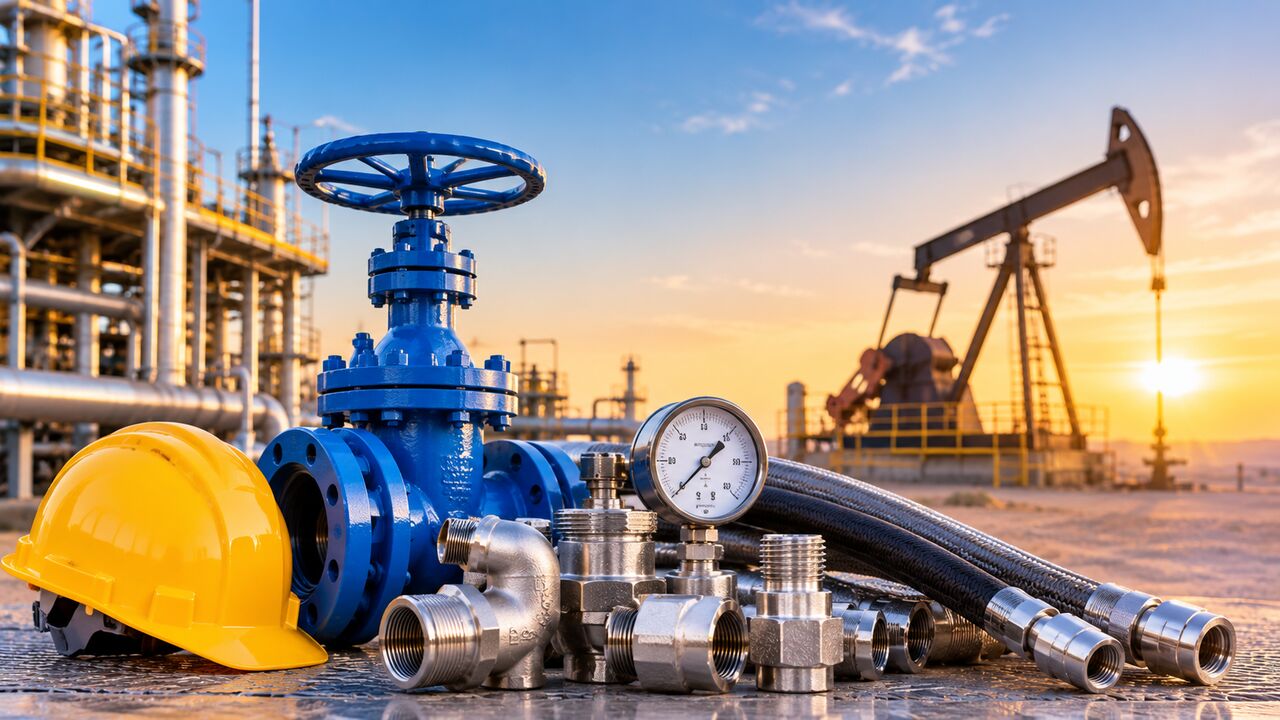
The UAE is one of the world’s major oil and gas producers, and its fields operate in some of the most demanding conditions on earth. Behind every barrel produced sits a network of mechanical, hydraulic, and safety equipment working continuously under heat, pressure, and corrosive exposure. This article outlines the main equipment categories that support oilfield operations and what operators consider when working with oil field suppliers in the UAE.
Why Equipment Reliability Matters in Oilfields
The oilfields work continuously, and unexpected shutdowns have a great cost associated with them. The equipment malfunctions may also pose risk to health and environment. Hence, the operators prefer using the equipment whose ratings, materials, and performance records are well-known for such an environment. In the United Arab Emirates, high temperatures in summers, along with sand, humidity, and saline air in coastal areas, create a tough environment.
Core Equipment Categories in Oilfield Operations
Valves and Flow Control
Valves isolate, regulate, and direct the flow of oil, gas, water, and chemicals. Gate, globe, ball, check, and plug valves are widely used across wellsites, pipelines, and processing facilities. Material grade, pressure class, and sealing design are critical, particularly where hydrogen sulfide or other corrosive fluids are present.
Flanges, Fittings, and Piping Components
Pipelines and process lines depend on flanges, elbows, tees, reducers, and couplings that meet recognized standards such as ASME, API, and ISO. Correct specification ensures leak-free connections under pressure. Material options include carbon steel, stainless steel, and duplex alloys, chosen according to fluid and environment.
Hydraulic and Pneumatic Components
Hydraulic fittings, hoses, and tubing support actuators, control systems, and lifting equipment. Quality and compatibility matter because leaks can reduce performance and create safety hazards. Pneumatic systems also depend on reliable connectors and regulators for control and instrumentation.
Pumps and Compressors
Pumps move crude oil, water, and chemicals through production and injection systems, while compressors handle gas. These machines operate continuously, so seal selection, lubrication, and maintenance access strongly influence uptime.
Wellhead and Pressure Control Equipment
Wellheads, Christmas trees, and related pressure control assemblies contain and manage reservoir pressure. Because failure can have severe consequences, this equipment is manufactured, tested, and certified to strict standards.
Instrumentation and Control Systems
Pressure transmitters, temperature sensors, flow meters, and control panels give operators real-time visibility. Automation and SCADA systems help detect abnormalities and support remote monitoring.
Safety and Protective Equipment
Gas detectors, fire protection systems, emergency shutdown valves, and personal protective equipment form a layered defense. Compliance with national and international safety regulations is a baseline requirement.
How Environmental Conditions Shape Equipment Choices
UAE oilfields present distinct challenges:
High temperatures: Affect seals, lubricants, hoses, and electronics
Dust and sand: Increase wear on moving parts and clog filters
Corrosive fluids and gases: Demand resistant alloys and coatings
Salt and humidity: Particularly relevant for coastal and offshore facilities
Continuous duty: Equipment must perform with minimal downtime
Selecting materials and protective systems suited to these conditions often extends service life.
What Operators Look for in Oilfield Suppliers
When comparing oil field suppliers in Dubai and elsewhere in the Emirates, procurement and maintenance teams typically consider:
Product range: Availability of valves, fittings, flanges, hydraulic components, and related items
Certification and traceability: Material test certificates, compliance with API, ASME, or ISO standards, and batch records
Manufacturer authorization: Confirmation of genuine products and warranty support
Local stock and lead times: Faster availability reduces downtime
Technical support: Assistance with specification, compatibility, and troubleshooting
Experience with the sector: Familiarity with oil and gas requirements and approvals
Companies such as Hydromax present their oilfield-related product categories publicly on their oil field suppliers page, which gives buyers a way to review the range available before making inquiries. Comparing such listings against project requirements helps teams narrow options early.
The Importance of Standards and Documentation
In the oil and gas industry, documentation is considered an integral component of the product. Documentation includes material certification, pressure testing reports, and other inspection documents needed for safety audit, insurance, and operational approval. Operators usually have approved vendor lists where vendors must fulfill certain qualifications. It is common for distributors such as Hydromax and other distributors working in the Emirates to be evaluated on their documentation.
Maintenance and Spare Parts Planning
Keeping oilfields running depends as much on maintenance as on original equipment. Common practices include:
Preventive maintenance schedules based on manufacturer guidance
Critical spares held on site or at nearby warehouses
Regular inspection of seals, gaskets, hoses, and coatings
Condition monitoring to detect wear early
Standardizing components to simplify stocking and repairs
Reliable access to spares often determines how quickly a minor issue is resolved.
Frequently Asked Questions (FAQs)
Q1. What equipment is essential for oilfield operations?
Key items include valves, flanges and fittings, pumps, compressors, wellhead equipment, instrumentation, hydraulic components, and safety systems.
Q2. Why is equipment certification important in oil and gas?
Certification confirms that products meet recognized standards for safety, pressure, and material quality, which supports compliance and reliability.
Q3. How does the UAE climate affect oilfield equipment?
Heat, dust, humidity, and corrosive conditions can accelerate wear, so material selection and protective maintenance are important.
Q4. What should buyers check when choosing oil field suppliers in the UAE?
Consider product range, certifications, manufacturer authorization, stock availability, technical support, and sector experience.
Q5. Which standards apply to oilfield components?
Commonly referenced standards include API, ASME, and ISO, along with operator-specific and national requirements.
Q6. Why do operators hold critical spares?
Spares reduce downtime by allowing quick replacement when components fail or reach end of life.
Q7. Is price the main factor when selecting oilfield products?
Rarely. Reliability, certification, and lifecycle cost usually outweigh upfront price for critical equipment.
Conclusion
UAE oilfields rely on a wide range of equipment working together, from valves and fittings to pumps, instrumentation, and safety systems. Reliability depends on corr