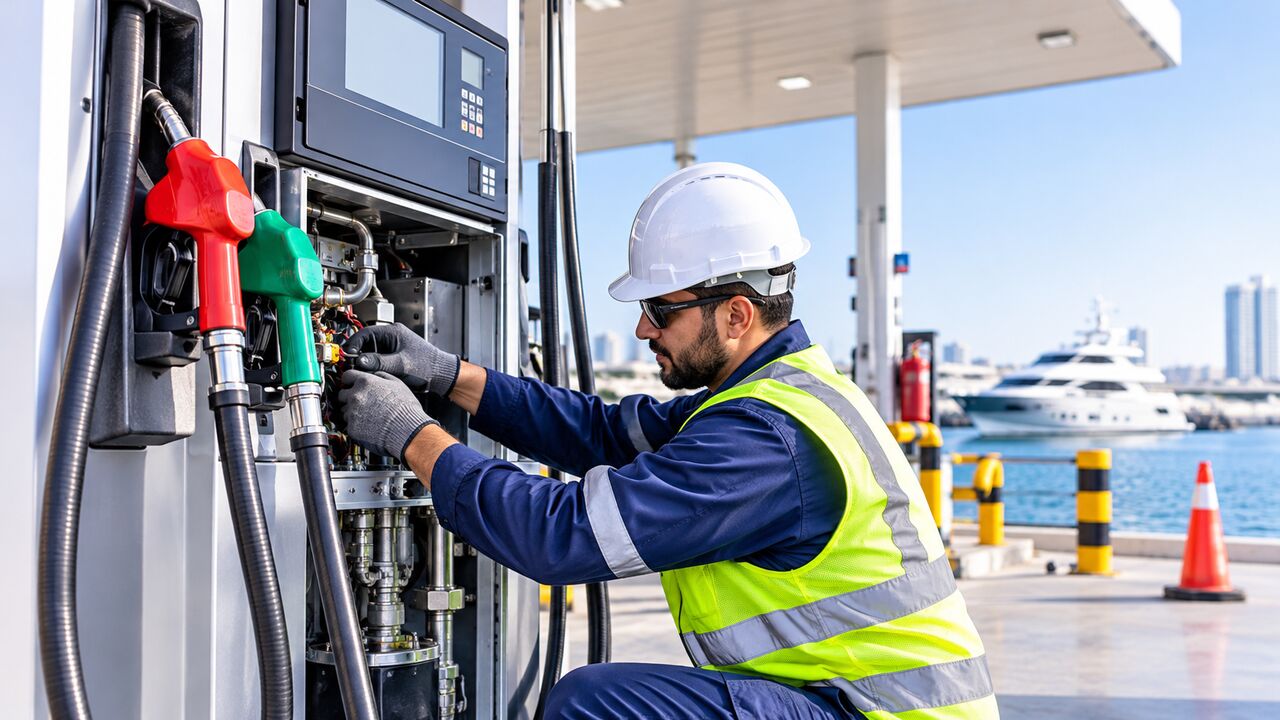
Quick answer: The right fuel dispenser installation company reduces operational risk by ensuring correct design, compliant installation, safe electrical and piping work, accurate calibration, proper testing, and reliable after-installation support. Weak installation can lead to leaks, fire hazards, regulatory penalties, and costly downtime.
Why Installation Quality Matters
Fuel handling is a high-consequence activity. A dispenser connects to storage tanks, pumps, piping, shut-off valves, and control systems. If any link is poorly installed, the whole system is affected. Common installation-related problems include vapor or liquid leaks, incorrect grounding, poorly sealed conduit, pressure imbalances, and flow measurement errors. Each of these can affect safety, product loss, and environmental compliance.
Key Risks a Qualified Installer Helps Control
Fire and explosion hazards. Fuel stations are classified as hazardous areas. Electrical equipment, wiring, and enclosures must be rated for these zones. Experienced installers understand zoning requirements and equipment certification.
Leaks and environmental damage. Faulty pipe connections, breakaway couplings, or hose assemblies can cause spills. Proper pressure testing and leak detection reduce this risk.
Regulatory non-compliance. In the UAE, fuel facilities must meet civil defense, municipality, and relevant environmental requirements. Installations that miss approvals can face delays, fines, or shutdown orders.
Measurement inaccuracies. Dispensers must deliver accurate volumes. Poor calibration affects customer trust, stock reconciliation, and legal metrology compliance.
Downtime and rework. Mistakes found during inspection or after commissioning often require excavation, rewiring, or part replacement, extending project timelines.
Special Considerations for Marine and Pontoon Stations
Marine fuel stations add further complexity. Floating pontoons move with tides and waves, so flexible hoses, anchoring systems, corrosion-resistant materials, and spill containment must be designed for movement and salt exposure. Fire protection and emergency shutdown systems need to function reliably in confined waterfront areas. Providers with marine experience, such as Tekzone, which offers pontoon and marine fuel station services, illustrate the kind of specialized capability required for these environments.
What to Look for in Fuel Dispenser Installation Companies
Relevant experience: Look for completed projects similar in type and scale, whether roadside stations, fleet depots, industrial sites, or marine facilities.
Licensing and approvals: Confirm valid trade licenses and familiarity with local authority procedures.
Engineering capability: Strong providers handle design, civil works, mechanical and electrical installation, and commissioning, reducing coordination gaps.
Safety culture: Ask about HSE policies, permit-to-work practices, training, and incident records.
Equipment knowledge: Installers should understand compatibility between dispensers, tank gauges, pumps, and control or payment systems.
Testing procedures: Look for documented pressure tests, calibration records, and acceptance testing.
After-sales support: Maintenance contracts, spare parts availability, and fast response reduce downtime.
Questions to Ask Before Signing a Contract
Who is responsible for authority approvals and inspections?
What testing and documentation will be provided at handover?
How are hazardous area requirements addressed?
What is the warranty period and what does it cover?
How will work be phased to limit disruption at an operating site?
What training will operators and maintenance staff receive?
Clear answers to these questions indicate a provider with structured processes.
The Long-Term Value of Proper Installation
A well-executed installation lowers lifetime costs. Fewer breakdowns, accurate metering, easier maintenance access, and smoother inspections all contribute to stable operations. Documentation such as as-built drawings and calibration certificates also helps future upgrades and troubleshooting. By contrast, choosing the lowest bid without checking scope and compliance can result in higher repair and compliance costs later.
Frequently Asked Questions
Q1. What do fuel dispenser installation companies typically do?
They plan and install dispensers, connect piping and electrical systems, carry out testing and calibration, and support authority approvals and commissioning.
Q2. Why is professional installation important for fuel dispensers?
Fuel systems involve flammable materials and strict regulations. Professional installation reduces the risk of leaks, fires, inaccurate measurement, and compliance failures.
Q3. How long does a fuel dispenser installation take?
Timelines vary by site complexity, civil works, equipment lead times, and approvals. A simple dispenser replacement may take days, while a new station can take months.
Q4. What certifications should an installer have?
Look for relevant trade licenses, safety certifications, quality management standards such as ISO 9001, and equipment manufacturer authorizations where applicable.
Q5. Are marine fuel stations installed differently from land-based stations?
Yes. Marine stations must handle water movement, corrosion, and environmental protection requirements, which call for specialized design and equipment.
Q6. What should be included in handover documentation?
Expect test reports, calibration certificates, as-built drawings, operation manuals, and warranty details.
Conclusion
Fuel dispenser installation is a safety-critical activity where quality directly affects compliance, uptime, and long-term cost. The right installer brings technical discipline, regulatory knowledge, and structured testing that reduce operational risks before a station even opens. When evaluating fuel dispenser installation companies, owners benefit from verifying experience, reviewing documentation practices, and confirming support capabilities. Firms such as Tekzone and other established contractors can be measured against this same checklist, helping decision-makers choose a partner that supports safe and reliable fuel operations.