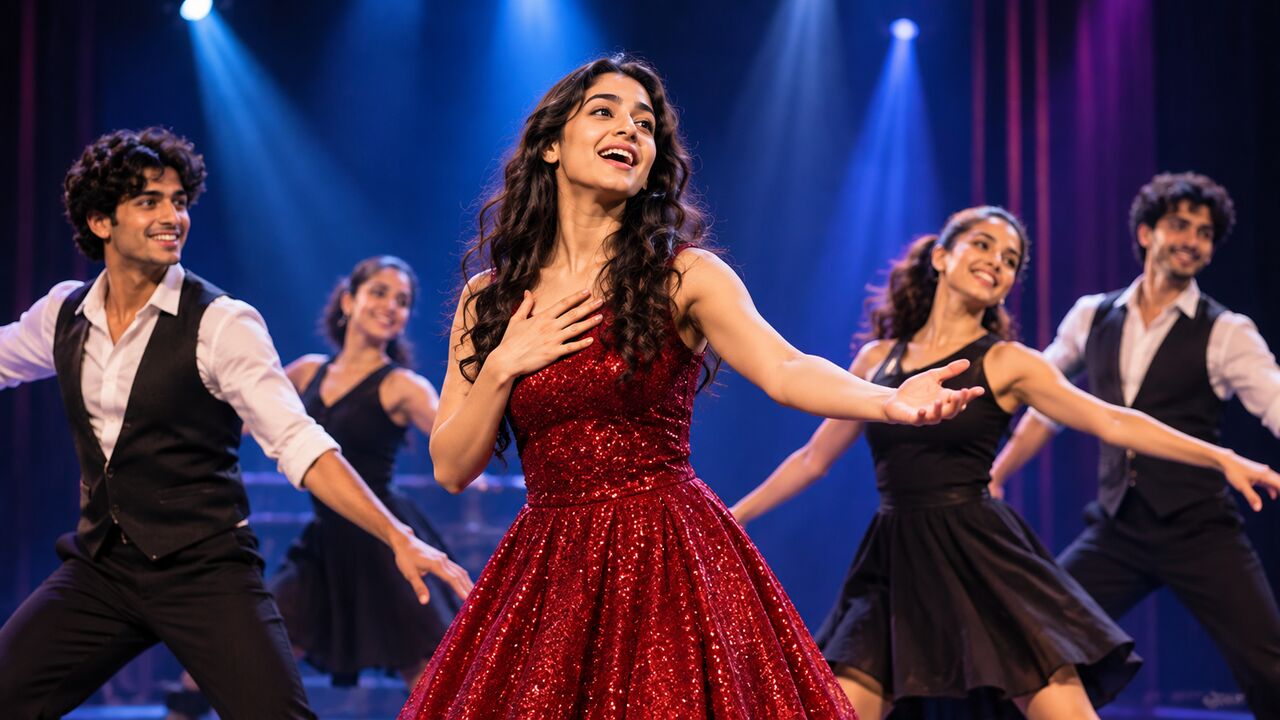
Quick answer: Yes, singing, dancing, and acting can be combined in one performance. In musical theatre, songs advance the story, movement expresses character and emotion, and acting gives both a believable purpose. The skills are trained separately at first, then blended through scene work and rehearsal.
What Makes Musical Theatre Different
Dialogue is the engine that moves the plot forward in a play. In a concert, it is the music that is the highlight. The musical play is an amalgamation of both forms, employing music and dance as a means of storytelling rather than a decorative element. An effective musical composition comes about when there are not sufficient words to convey the emotions of the character. This explains why actors are said to be "triple threats."
How the Three Disciplines Work Together
Singing as dialogue. A song is considered an elevated expression of spoken language. Performers must think about intention, objective, and emotion, not just pitch and rhythm. A technically perfect note without meaning rarely connects with an audience.
Dance as character. Choreography reveals personality, status, and relationships. A confident character may move with open, expansive gestures, while a hesitant one may use smaller, contained movement.
Acting as the foundation. Acting links everything. It gives reasons for why a character begins to sing or dance, and it keeps transitions between speech, song, and movement believable.
The Technical Challenge
Combining the three is demanding. Performers must manage breath control while dancing, maintain diction while moving, and stay emotionally present while remembering steps and lyrics. Common challenges include:
Running out of breath during choreographed numbers
Losing character when focusing on technique
Uneven strength, such as strong singing but limited movement confidence
Maintaining stamina through long rehearsals and multiple shows
These issues are normal and can be addressed through gradual training.
How Training Builds Integration
Most programs follow a layered approach. Learners first build fundamentals in each area: vocal warm-ups and breath support, basic dance technique and rhythm, and acting exercises focused on objectives and reactions. Once basics are secure, they combine them through song interpretation, group choreography, and scene study.
Group settings add another benefit. Ensemble work teaches timing, listening, and spatial awareness, which are essential when many performers share a stage. Organizations such as Dramascene, which runs programs centered on this integrated approach in Dubai, are examples of environments where learners can practice these combined skills. Details are available on its musical theatre page.
Is Natural Talent Required?
Not necessarily. There are many instances where individuals have strengths in just one category. One can sing but find it hard to dance. Another individual can be good at dancing but shy away from vocals. This is because the three aspects complement each other. Good breathing ability makes one better at dancing, and good acting skills improve one's vocals.
What to Look for in Musical Theatre Classes
When comparing options, consider the following:
Balanced curriculum: Singing, dance, and acting should all be taught, not just one.
Qualified instructors: Look for teachers with both performance and teaching experience.
Age and level grouping: Appropriate placement keeps classes challenging but comfortable.
Performance opportunities: Showcases and productions help translate practice into stage experience.
Supportive environment: Beginners progress faster when mistakes are treated as part of learning.
Clear progression: Programs should outline how skills develop over time.
Benefits Beyond the Stage
Musical theatre training supports more than performance. Participants often report improved confidence, posture, memory, public speaking, teamwork, and emotional awareness. These skills carry over into school, work, and social life, which is why many people join without any plan to perform professionally.
Frequently Asked Questions
Q1. Do I need to sing, dance, and act well before joining?
No. Most beginner programs start with fundamentals and assume no prior experience.
Q2. What is a “triple threat”?
It describes a performer skilled in singing, dancing, and acting. Few start with equal ability in all three, and most develop balance over time.
Q3. How long does it take to feel comfortable performing?
Many learners feel more at ease within a few months of regular practice, though mastery takes longer.
Q4. Is musical theatre suitable for children?
Yes. Age-appropriate classes often focus on creativity, confidence, and teamwork rather than technical perfection.
Q5. What is the difference between musical theatre and drama classes?
Drama classes focus mainly on acting and spoken text, while musical theatre adds singing and choreography to storytelling.
Conclusion
Singing, dancing, and acting do not compete in musical theatre; they complete one another. Each discipline strengthens the others when trained with care and combined through practice. For anyone considering musical theatre classes in Dubai, the most useful approach is to look for balanced instruction, supportive teaching, and real performance experience. Programs such as those offered by Dramascene, along with other established providers, show how these skills can be developed together, but steady practice and curiosity remain what drive progress.