What Is Fatty Liver Disease?
Fatty liver disease is a metabolic condition where excess fat builds up inside liver cells. While it was traditionally known as non-alcoholic fatty liver disease (NAFLD), nowadays it is commonly called metabolic dysfunction-associated steatotic liver disease (MASLD). Fat accumulation in the liver does not always cause lasting damage. However, in some people, excess fat in the liver can lead to inflammation and damage to liver cells. Over time, repeated damage can cause scar tissue to develop, a process known as fibrosis. If fibrosis becomes advanced, it can progress to cirrhosis. Catching it early gives you the best chance to reverse the fat buildup before permanent scarring sets in.
What Are the Symptoms and Risk Factors?
Most people with fatty liver have no noticeable symptoms. Others may experience persistent tiredness, general discomfort, or pain in the upper-right side of the abdomen. This means you can have fatty liver even when you feel perfectly well. Certain health conditions increase the likelihood of developing it, including:
Type 2 diabetes or insulin resistance
Overweight or obesity, particularly excess abdominal fat
High cholesterol or triglyceride levels
High blood pressure and metabolic syndrome
Alcohol intake, some medications, and other health conditions can also affect liver health. Having one or more risk factors does not mean you have fatty liver, but it is worth discussing them with your GP.
When Should You Get Your Liver Checked?
You do not have to wait for symptoms before discussing liver health with your doctor. If you have type 2 diabetes, obesity, several metabolic risk factors, or persistently abnormal liver blood tests, your GP may recommend further assessment. A routine blood test may identify changes that need investigation, but normal liver enzyme levels do not always rule out significant scarring. Your doctor will consider your medical history, risk factors, and test results when deciding whether additional investigations are appropriate.
How Is Fatty Liver Assessed?
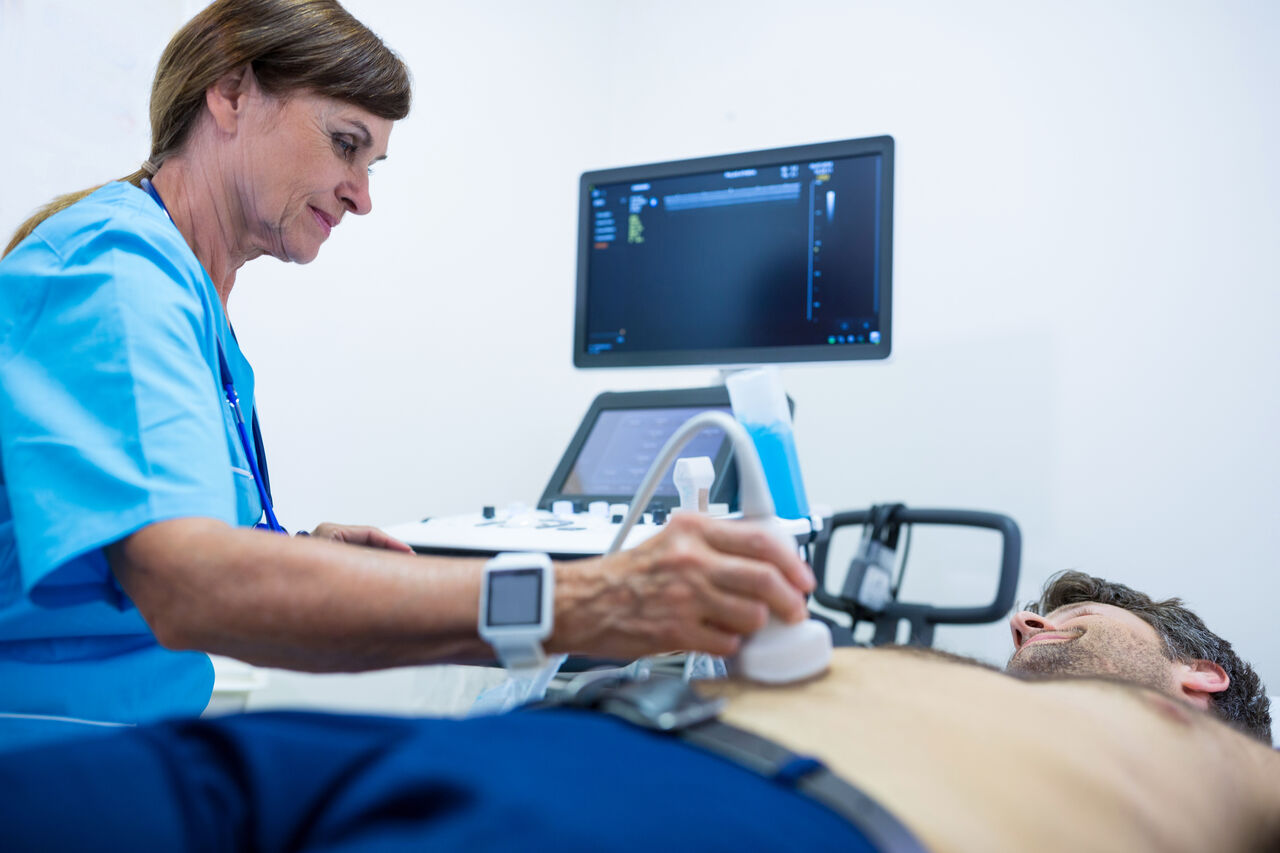
Assessment usually begins with a medical history, examination, and blood tests. Your doctor may also recommend a FibroScan ultrasound to look for fat accumulation and examine the liver's appearance. Spotting fat on a standard ultrasound, though, won't tell your doctor whether scarring has started. If there is a concern about liver scarring, your doctor may use a blood-based risk assessment, such as the FIB-4 score, before considering further testing. Depending on the result, liver elastography or specialist assessment may be recommended.
What Is a Liver FibroScan?
A liver FibroScan is a specialised, non-invasive examination that uses vibration-controlled transient elastography (VCTE) to measure liver stiffness. It helps estimate the likelihood and extent of fibrosis, or scarring. Some examinations also measure liver fat using a controlled attenuation parameter (CAP). This provides additional information about fat accumulation.
People often call it a FibroScan ultrasound, but it works differently from a standard abdominal scan. A standard ultrasound produces images of the liver, while FibroScan measures tissue stiffness and can estimate fat content. Neither test provides a complete diagnosis on its own. Your doctor interprets the findings alongside blood tests, medical history, and other investigations to determine whether further care is needed.
Take a Closer Look at Your Liver Health
You don't need to wait for symptoms to take your liver health seriously. If your doctor recommends further assessment, ask whether a Fatty liver FibroScan or another fibrosis test is appropriate. Contact Insight Diagnostic Imaging to enquire about FibroScan appointments, referral requirements, and bulk-bill FibroScan ultrasound options. Take the next step towards understanding your liver health. :https://insightimaging.com.au/