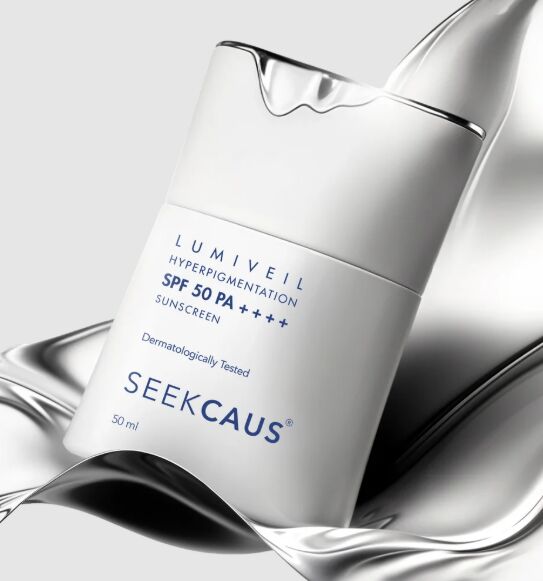
Melasma is a common skin concern that causes dark patches and uneven skin tone, particularly on the cheeks, forehead, upper lip, and chin. Sun exposure is one of the major triggers that can make these patches darker and more noticeable. Choosing the right Sunscreen for melasma is therefore an important part of maintaining an effective skincare routine and preventing pigmentation from worsening.
How Does Sunscreen Help Manage Melasma?
Exposure to ultraviolet (UV) rays can stimulate melanin production, making existing pigmentation more visible. Regular sunscreen application helps protect the skin from harmful UVA and UVB rays, reducing further sun-related pigmentation. A broad-spectrum sunscreen with SPF 30 or higher is generally recommended for daily protection.
For people dealing with melasma, tinted sunscreens containing iron oxides can offer additional protection against visible light, which may also contribute to pigmentation, particularly in darker skin tones. This makes choosing the right Sunscreen for pigmentation an important consideration for people looking to maintain a more even-looking complexion.
What Should You Look for in Sunscreen?
Not every sunscreen offers the same level of protection. When selecting sunscreen for melasma-prone skin, consider the following factors:
Broad-Spectrum Protection: Choose sunscreen that protects against both UVA and UVB rays.
SPF 30 or Higher: Adequate SPF helps reduce UV-related skin damage.
Tinted Formula: Iron oxide-based tinted sunscreens can help protect against visible light.
Lightweight Texture: A non-greasy formula can make daily application more comfortable.
Skin Compatibility: Select a formula suitable for your skin type to maintain consistent use.
Why Is Daily Sunscreen Application Important?
Using sunscreen only during summer or when stepping outdoors may not provide consistent protection. UV exposure can occur even on cloudy days, while visible light can also affect pigmentation. Apply sunscreen generously every morning and reapply every two hours when outdoors, especially after sweating or swimming.
Remember that sunscreen does not cure melasma on its own. Combining sun protection with dermatologist-recommended treatments and a suitable skincare routine can help manage pigmentation more effectively.
For people looking to maintain healthier-looking skin and protect against pigmentation concerns, choosing the right skincare products is an important first step. Explore Dermis Oracle for skincare solutions designed to support your skin's daily protection needs.