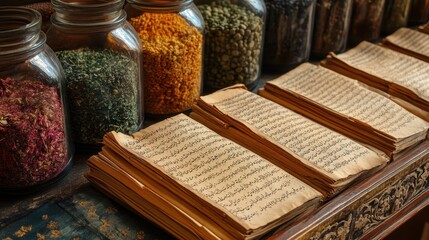
As we mark the evolving landscape of alternative medicine in India, Ibn-e-Sina Tibbiya College emerges as a vital pillar. With India's AYUSH (Ayurveda, Yoga, Unani, Siddha, and Homeopathy) sector gaining momentum—projected to reach $10 billion by 2025—this college isn't just an educational hub; it's a sanctuary for preserving Unani's essence while addressing modern health challenges like diabetes, arthritis, and metabolic disorders. In this comprehensive blog post, we'll explore the college's rich history, cutting-edge programs, world-class facilities, and the vibrant community that makes it a top choice for aspiring Unani practitioners.
The Roots of Resilience: History and Legacy
The story of Ibn-e-Sina Tibbiya College & Hospital is one of vision, community, and tribute to intellectual giants. Founded in 1980 by the Minority Educational Society (registered in 1970-71 as No. 1678), the institution was born from a noble intent: to extend quality education in Unani medicine to the Muslim minority community in Azamgarh and beyond. The society, established in 1971, recognized the need for accessible higher education in a region where traditional knowledge systems like Unani were fading amid rapid modernization.
What makes the founding year particularly poignant is its alignment with the 1,000th birth anniversary of Sheikh-ur-Rais Ibn-e-Sina (born 980 AD). Avicenna's legacy—encompassing over 450 works on philosophy, astronomy, and medicine—inspired the founders to create a space where his principles of balance (mizaj), temperament (akhlat), and humoral theory could thrive. The foundation stone for the college building and hostels was laid on January 25, 1981, marking the dawn of a new era in Azamgarh's educational landscape.
Over four decades, the college has weathered challenges, from infrastructural expansions to aligning with evolving regulatory frameworks. Initially affiliated with Mahayogi Guru Gorakhnath AYUSH University, Gorakhpur. Recognition by the National Commission for Indian System of Medicine (NCISM)—the apex body for Unani education—ensures its BUMS degree is on par with global standards. Today, on a sprawling 10-acre campus in Beenapara, Saraimeer (Azamgarh-276305), it serves as a testament to Azamgarh's transformation from a "nursery of terror" stereotype in the early 2010s to an educational powerhouse, as highlighted in reports from that era.
This legacy isn't just historical; it's alive in the college's mission to democratize Unani education. Open to students of all castes, creeds, colors, and genders, it draws a diverse cohort from across India, fostering inclusivity in a field often rooted in cultural specificity. As one alumnus reflected in a 2023 CollegeDekho review, "This place isn't just a college; it's a revival of our ancestors' wisdom, tailored for tomorrow's world."
Pillars of Knowledge: Academic Programs and Curriculum
At the core of Ibn-e-Sina's offerings is the Bachelor of Unani Medicine and Surgery (BUMS), or Kamil-e-Tib-o-Jarahat, a rigorous 5.5-year program that includes a one-year compulsory rotating internship. With an annual intake of 50 seats, the course is meticulously designed per NCISM guidelines, blending theoretical depth with practical prowess.
The curriculum unfolds across five professional years, starting with foundational sciences like anatomy, physiology, and biochemistry—infused with Unani perspectives on humors (akhlat: blood, phlegm, yellow bile, and black bile) and elements (anasir). Year one emphasizes Kulliyat Umoor-e-Tibbiya (basic principles of Unani), while subsequent years delve into specialized departments: Ilmul Advia (pharmacology), Moalajat (internal medicine), Amraz-e-Niswan-wa-Atfal (gynecology and pediatrics), and Jarahat (surgery). The internship, conducted at the on-campus 60-bed hospital, provides hands-on exposure to patient care, from pulse diagnosis (nabz) to regimental therapies like cupping (hijama).
What sets the program apart is its integration of modern diagnostics—think ECGs alongside tanqiya (detoxification)—ensuring graduates are versatile. Electives in research methodology and community health prepare students for postgraduate pursuits like MD/MS in Unani.
This curriculum doesn't just educate; it empowers. Graduates emerge as tabibs (Unani physicians) ready to tackle epidemics, chronic illnesses, and lifestyle diseases, with many pursuing roles in government AYUSH centers or private clinics.
A Sanctuary of Healing: State-of-the-Art Facilities
Step onto the 10-acre campus, and you're greeted by serenity—the gentle flow of the Kanwar River nearby, a lush herbal garden, and architecture that echoes Islamic motifs with modern functionality. Ibn-e-Sina's infrastructure is a harmonious blend, prioritizing both learning and well-being.
The crown jewel is the 60-bed IPD hospital, operational since inception, offering OPD services in specialties like Moalajat (general medicine), Hifzan-e-Sehat (preventive medicine), and Amraz-e-Jild (dermatology). Equipped with X-ray and pathology labs and a pharmacy stocked with 252 herbal species from the on-campus garden, it treats over 50,000 patients annually, providing interns invaluable clinical exposure.
Educational facilities shine too. The central library, a researcher's haven, houses over 5,000 volumes on Unani classics (Canon, Qanoon) alongside journals like the Journal of Research in Ayurvedic and Siddha. Digital access to NCISM databases ensures 24/7 learning. Lecture halls with AV aids, dissection labs for Tashreeh (anatomy), and a museum of Unani instruments foster interactive pedagogy.
Student-centric amenities abound: Separate hostels for boys and girls (capacity 200 each) with 24/7 security—no males allowed in the girls' wing—mess facilities serving nutritious, halal meals, and a cafeteria buzzing with post-class chatter. Sports grounds for cricket and volleyball, plus a recreation center, combat academic stress. Anti-ragging cells, counseling services, and an auditorium for seminars round out the holistic setup.
Sustainability is woven in: Solar panels power parts of the campus, and the herbal garden doubles as a teaching tool for Ilmul Advia. As an Instagram post from the college's handle noted during a World Diabetes Day outreach, these facilities enable real-world impact, from village camps to urban clinics.
In reviews on platforms like Justdial (68 user ratings averaging 4.2/5), alumni praise the "clean, green, and conducive environment" that makes studying Unani fe