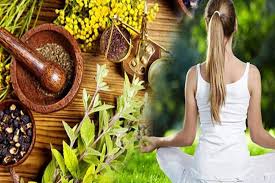
Imagine waking up to the chirping of birds, surrounded by lush greenery, as you step into a world where herbal gardens bloom with remedies for modern ailments. That's the promise of BDM College. With its attached hospital operational since 2018, the institution has already touched thousands of lives through patient care, research, and education. In this comprehensive blog post, we'll explore every facet of BDM College—from its humble beginnings to its sprawling facilities, rigorous academic programs, vibrant student life, and promising career pathways. Whether you're an aspiring Ayurvedic practitioner, a wellness enthusiast, or simply curious about holistic health.
The Roots of Revival: History and Establishment of BDM College
The story of BDM College of Ayurveda Science and Hospital is one of vision, resilience, and a deep-seated commitment to cultural heritage. Founded in 2022 by the visionary Mr. Satbir Singh, the college emerged as a response to the growing demand for authentic Ayurvedic education in North India. Mr. Singh, a philanthropist with a passion for traditional medicine, envisioned an institution that would not only train skilled doctors but also preserve the essence of Ayurveda amid rapid urbanization. Under the dynamic leadership of Chairman Mr. Amarjeet Singh Phogat, the college has quickly evolved into a "Center of Excellence" for Ayurvedic studies at both national and international levels.
The attached hospital, however, predates the college by four years, having been established in 2018. This 100-bed facility began as a modest outpatient department (OPD) serving the local community in Chhuchhakwas, Jhajjar—a village known for its agricultural bounty and tranquil environs. Today, it stands as a testament to the institution's dual mandate: education intertwined with compassionate healthcare. Affiliated with the National Commission for Indian System of Medicine (NCISM), BDM College adheres to stringent regulatory standards, ensuring that its graduates are not just knowledgeable but globally competitive.
What sets BDM apart is its self-financed model, which allows for agile growth and innovation without bureaucratic hurdles. In just three years, the institution has expanded from a fledgling college to a comprehensive ecosystem encompassing teaching, research, and clinical practice. This rapid ascent is fueled by a philosophy that views Ayurveda as a "noble profession dedicated to the service of mankind." As Haryana's Ayurvedic landscape evolves, BDM College positions itself as a pioneer, blending the dosha-balancing principles of Kapha, Pitta, and Vata with evidence-based modern diagnostics. It's a story of revival—not just of an ancient science, but of community health in rural India.
Vision and Mission: Nurturing Healers for a Balanced World
At the core of BDM College lies a profound vision: to empower future Ayurvedic practitioners with the tools to prevent diseases, restore balance, and promote longevity. The mission is multifaceted—encompassing Ayurvedic teaching, hands-on training, patient-centric care, and cutting-edge research. In a world plagued by chronic conditions like diabetes, hypertension, and mental health disorders, BDM's ethos resonates deeply: Ayurveda isn't reactive; it's proactive, addressing root causes rather than fleeting symptoms.
The institution's commitment to quality academics is unwavering. It fosters a holistic learning environment where students aren't mere memorizers of texts like Charaka Samhita or Sushruta Samhita but active explorers of Ayurveda's principles. Research is a cornerstone, with faculty and students encouraged to publish in reputed journals, exploring topics from herbal formulations for immunity to Panchakarma therapies for detoxification. Community outreach forms another pillar, with regular health camps in Jhajjar's villages, educating locals on seasonal regimens (Ritucharya) and dietary balance (Pathya-Apathya).
Under Mr. Phogat's guidance, the college promotes inclusive decision-making, with departmental committees involving faculty in policy formulation. This democratic approach ensures that education remains relevant, adaptive, and student-focused. Ultimately, BDM's vision is to produce confident, resourceful professionals who can wield "state-of-the-art" equipment in hospitals while honoring Ayurveda's ethical foundations. In an age of synthetic drugs, this mission revives the healer within, one balanced dosha at a time.
Academic Excellence: The BAMS Program Unpacked
The flagship offering at BDM College is the Bachelor of Ayurvedic Medicine and Surgery (BAMS), a rigorous 5.5-year program that integrates 4.5 years of classroom and clinical training with a mandatory one-year internship. With an intake of 100 seats, it's designed for those passionate about merging ancient wisdom with scientific rigor. The curriculum, approved by NCISM, spans 14 departments, including Samhita Siddhant (Ayurvedic fundamentals), Rachana Sharir (anatomy), Dravyaguna (pharmacology), and Kayachikitsa (internal medicine).
First-year students delve into the foundational sciences—Padartha Vigyan (Ayurvedic philosophy), Sanskrit for textual comprehension, and basic anatomy tailored to Ayurvedic perspectives. By the second year, the focus shifts to diagnostic tools like Nadi Pariksha (pulse examination) and herbal therapeutics. Third and fourth years emphasize clinical rotations, where students master procedures such as Shodhana (purification therapies) and Shamana (palliative treatments). The internship, conducted at the attached hospital, provides real-world exposure, from OPD consultations to IPD management.
What makes BDM's BAMS stand out is its blended pedagogy: interactive lectures, practical demonstrations, laboratory dissections, case studies, and regular assessments. Guest lectures from renowned Vaidyas and workshops on modern integrations—like Ayurgenomics—keep the curriculum dynamic. Research projects are mandatory, encouraging students to innovate, perhaps developing sustainable herbal formulations for rural healthcare.
Eligibility is straightforward: candidates must be NEET-UG qualified, having passed 10+2 with at least 50% in physics, chemistry, and biology (with relaxations for reserved categories). The minimum age is 17 years. Admissions occur via centralized AYUSH counseling, ensuring merit-based selection.
In essence, BAMS at BDM isn't just a degree; it's a transformative journe