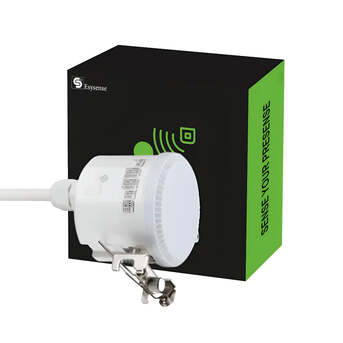
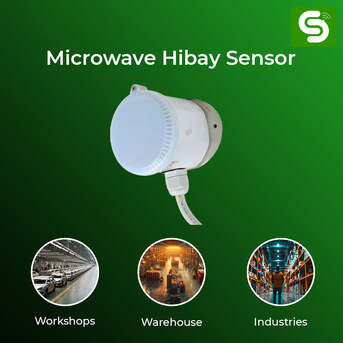
A microwave highbay motion sensor is an advanced lighting control device designed for industrial, warehouse, and commercial high-ceiling environments. Using microwave radar technology, it detects motion in a wide area and automatically controls highbay lighting systems.
Unlike traditional PIR sensors, microwave sensors penetrate glass, plastic, and even partitions, making them ideal for complex layouts and large spaces. In 2026, these sensors are considered the best solution for energy-efficient highbay lighting automation.
Key Benefits of Microwave Highbay Motion Sensors
Automatic Lighting Control : Sensors automatically turn highbay lights ON when movement is detected and OFF when areas are vacant. This ensures that lighting operates only when necessary, reducing electricity consumption in large industrial or commercial facilities.
Explanation:
High-ceiling lights consume significant energy. Automatic control prevents lights from staying ON in empty areas, saving thousands in electricity bills annually.
Wide Detection Range : Microwave sensors can detect motion over wide areas, typically 360? coverage. This eliminates blind spots and ensures consistent lighting activation throughout warehouses, corridors, or open commercial spaces.
Explanation:
Unlike PIR sensors, microwave motion detection is not limited by line-of-sight. Even employees behind shelves or machinery can trigger lighting, improving safety and convenience.
Detects Small Movements : Microwave highbay sensors are sensitive enough to detect micro-movements such as walking or equipment operation. This ensures that even minor activity triggers lighting, maintaining visibility and operational safety.
Explanation:
In industrial settings, small movements may indicate human presence or machine activity. Detecting these prevents areas from remaining dark, reducing accidents.
Energy Efficiency : By ensuring lights are ON only when necessary, microwave highbay sensors significantly reduce energy usage. When combined with LED highbay fixtures, these sensors maximize energy savings without sacrificing illumination quality.
Explanation:
Industrial highbay lights typically consume 100W–400W per fixture. Automated control using motion sensors reduces wastage and extends fixture life.
Where to Use Microwave Highbay Motion Sensors
Warehouses and Storage Areas
High-ceiling warehouses require reliable lighting across large areas. Microwave sensors provide full coverage and turn lights ON only when employees are present.
Explanation:
This prevents energy waste in low-traffic sections while ensuring safe navigation for workers.
Factory Floors and Production Areas
In busy industrial environments, lighting must respond quickly to movement. Microwave highbay sensors detect activity instantly, supporting continuous operations and reducing downtime due to poorly lit areas.
Commercial High-Ceiling Spaces
Large commercial halls, supermarkets, and showrooms benefit from automatic lighting control. Sensors ensure lights activate only when customers or staff are present.
Parking Garages and Loading Bays
Automatic detection improves visibility and safety while reducing electricity usage during off-peak hours. Microwave sensors work effectively even in areas with barriers or partial enclosures.
Technical Features of Microwave Highbay Sensors
Microwave Radar Detection Technology
Uses Doppler radar waves to detect motion, allowing penetration through objects like glass, plastic, or thin walls. This ensures reliable detection in complex spaces.
Explanation:
Unlike infrared-based sensors, microwave technology works even in visually obstructed areas, making it ideal for warehouses with shelving.
360? Wide-Area Coverage
Covers a large detection zone, reducing the number of sensors required. This makes installation cost-effective and ensures uniform activation.
Adjustable Sensitivity and Delay Settings
Users can adjust sensitivity and delay time to suit specific areas. Lights can remain ON for a set period after detecting motion, optimizing energy efficiency.
Explanation:
Adjustable settings allow fine-tuning for high-traffic vs. low-traffic areas, ensuring sensors respond appropriately without over-triggering or wasting energy.
High Load Compatibility
Compatible with LED highbay lights and conventional fluorescent or HID fixtures. Ensures smooth switching without flicker or voltage fluctuations.
Installation Tips
Mount the sensor at recommended highbay heights (typically 12–18 ft) for optimal coverage.
Avoid placing sensors near large metallic structures that may interfere with microwave signals.
Test detection zones before final installation to ensure full coverage.
Configure sensitivity and delay according to area activity levels.
Common Mistakes to Avoid
Setting sensitivity too low, missing small movements
Installing near strong electromagnetic interference
Ignoring recommended mounting height, reducing detection coverage
Avoiding these mistakes ensures reliable and efficient operation.
Visit us : https://esysense.com/produc ...
Why Microwave Highbay Motion Sensors Are Best in 2026
In 2026, energy efficiency, automation, and industrial safety are top priorities. Microwave highbay sensors align perfectly with these needs by providing:
Precise and reliable motion detection
Full-area coverage in complex environments
Reduced energy consumption without compromising safety
Extended lighting fixture lifespan
These features make them a preferred choice for modern industrial and commercial facilities.
Final Conclusion
Microwave highbay motion sensors are an essential solution for automated lighting in large spaces. By combining energy efficiency, precise detection, and reliable operation, they enhance safety, convenience, and cost-effectiveness in 2026.