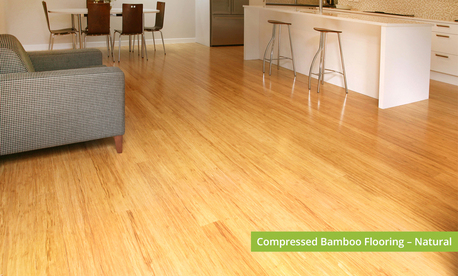
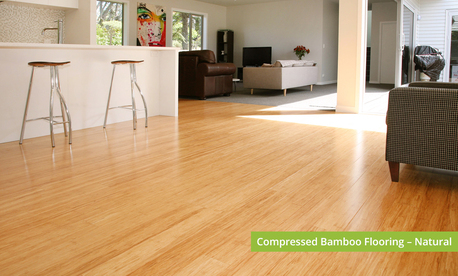
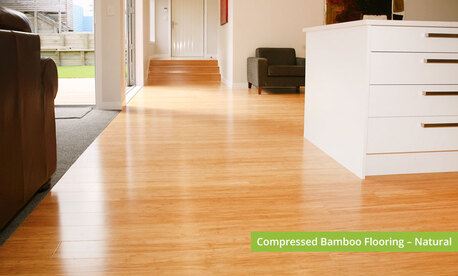
In the landscape of residential design, color trends often act as a pendulum, swinging between cool, clinical aesthetics and warm, inviting palettes. For nearly a decade, gray tones and "greige" dominated the market, offering a neutral backdrop that felt modern but sometimes sterile. However, as we move through 2026, a significant shift has occurred. Homeowners are increasingly gravitating toward "organic warmth," and at the center of this movement is caramel bamboo flooring.
Known for its rich, honey-like hues and distinctive grain, caramel bamboo is not just a surface; it is a design choice that fundamentally alters the emotional temperature of a home. Whether you call it caramel, amber, or carbonized bamboo, this material has become the gold standard for those who want a space that feels both sophisticated and deeply comfortable.
The Science of the Shade: How Caramel is Created
Unlike many hardwood floors that rely on surface stains to achieve their color, caramel bamboo gets its rich pigment from a structural change within the material itself. This process is known as carbonization.
Bamboo is naturally a pale, straw-like color. To create the caramel tone, the raw bamboo strips are placed into a large pressure steamer. Inside, they are subjected to intense heat and steam. This process "cooks" the natural sugars (fructose) found within the bamboo fibers. Much like caramelizing sugar in a pan on a stove, the sugars in the bamboo turn a deep, warm brown.
The most significant advantage of this process is that the color is not just on the surface. Because the sugar is distributed throughout the fiber, the caramel color goes all the way through the plank. If the floor is scratched or eventually sanded down, the color remains consistent. This provides a level of depth and longevity that a simple surface stain cannot match.
Why Caramel is Winning Over Modern Homeowners
The sudden surge in popularity for caramel tones is not accidental. It is driven by several key factors in contemporary interior design and psychology.
1. The Psychology of Homeyness
After years of "cool" interiors, there is a collective desire for homes that feel like sanctuaries. Caramel tones mimic the natural glow of a sunset or a flickering hearth. In the large, open-plan homes common in modern architecture, cool colors can feel washed out or drafty. Caramel bamboo provides "visual weight," grounding a large room and making it feel inhabited and cozy.
2. Versatility Across Design Styles
One might assume a warm-toned floor is only for traditional homes, but caramel bamboo is remarkably versatile.
Mid-Century Modern: The amber tones of the bamboo perfectly complement the walnut and teak furniture characteristic of this style.
Scandinavian Minimalism: While Scandi design often favors light woods, the "Warm Nordic" trend uses caramel bamboo to add contrast against white walls and sheepskin textures.
Japandi: This fusion of Japanese and Scandinavian styles relies heavily on natural materials. The rhythmic nodes of horizontal caramel bamboo are a perfect fit for this aesthetic.
3. Compatibility with Natural Materials
In 2026, "biophilic design"—the practice of bringing the outdoors in—is a top priority for buyers. Caramel bamboo pairs beautifully with other natural elements. It sits comfortably next to a slate fireplace, a marble countertop, or a room filled with lush green plants. It enhances the vibrant greens of indoor flora rather than competing with them.
Mechanical Performance: Hardness and Stability
While the color is the primary draw, a floor must also perform. When discussing caramel (carbonized) bamboo, it is important to understand how the color-change process affects the material’s physical properties.
The Hardness Trade-off
It is a technical reality that the carbonization process softens the bamboo fibers. On the Janka Hardness Scale, natural (blonde) bamboo typically sits around 1,300 to 1,400 lbf. The caramel version, because it has been "cooked," usually drops to around 1,000 to 1,100 lbf.
However, this is where Strand-Woven Caramel Bamboo comes into play. If a homeowner loves the caramel color but needs a floor that can withstand large dogs and high foot traffic, they should opt for the strand-woven construction. In this method, the carbonized fibers are shredded and compressed under immense pressure with resins. This results in a caramel floor with a Janka rating of over 3,000 lbf—harder than Brazilian Cherry or Mahogany.
Dimensional Stability
One of the "pros" of the carbonization process is that it reduces the bamboo’s moisture-absorption capacity. By breaking down the hydroxyl groups in the bamboo during the steaming process, the material becomes more dimensionally stable. Caramel bamboo is less likely to swell or shrink in response to humidity changes compared to its non-carbonized counterparts. This makes it an excellent choice for kitchens or areas with moderate climate fluctuations.
Designing Around Caramel Bamboo
Because caramel is a "medium" tone, it offers a perfect balance for cabinetry and furniture.
Dark Contrast: If you have charcoal or navy blue kitchen cabinets, a caramel bamboo floor prevents the room from feeling too dark or "heavy." It provides a golden lift that balances the cool tones of the cabinetry.
Light Harmony: Pairing caramel floors with cream, beige, or off-white furniture creates a "tonal" look that is incredibly relaxing.
Metal Accents: Caramel tones have a natural affinity for warm metals. Brushed brass, copper, and gold hardware look stunning against the backdrop of an amber floor, whereas they might look mismatched against a gray-toned floor.
Maintenance and Care: Keeping the Glow
To ensure the caramel color stays vibrant for decades, homeowners should follow a specific care regimen. While bamboo is durable, its finish is the first line of defense.
UV Protection
All natural wood and grass products are sensitive to sunlight. Over many years, direct, harsh UV rays can cause caramel bamboo to fade or "bleach" slightly. The trend in 2026 is toward "UV-filtered living," where homeowners install transparent UV films on large windows. This protects the floor's rich pigment without sacrificing the natural light that makes the floor look so good in the first place.
Cleaning Best Practices
The beauty of caramel bamboo is its smooth, easy-to-clean surface.
Daily: A simple sweep or microfiber dust-mop is usually enough. Dust and grit act like sandpaper; removing them daily prevents micro-scratches in the finish.
Monthly: Use a pH-neutral cleaner specifically designed for bamboo. Avoid the "old-school" vinegar and water solution, as the acid in vinegar can eventually dull the protective topcoat of the floor.
Humidity Control: Maintaining a consistent indoor environment (between 35% and 55% humidity) ensures the planks remain tight and prevents the "creaking" that can occur in overly dry environments.
The Sustainability Factor
Beyond the trend, caramel bamboo remains a champion of environmental responsibility. As a