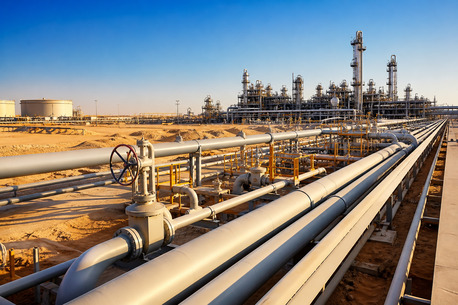
The UAE oil and gas sector continues to evolve as one of the most advanced energy ecosystems in the region, supported by long-term infrastructure programs led by ADNOC. These include expansions in gas transmission networks, processing facilities, refinery upgrades in Ruwais, and integrated downstream developments across Abu Dhabi.
As energy infrastructure becomes more interconnected, oil and gas construction in the UAE increasingly depends on specialized execution partners capable of delivering complex engineering scopes with precision, safety, and efficiency.
Among the most critical contributors to this ecosystem are cross-country pipeline contractors in the UAE and piping project contractors, who form the backbone of large-scale energy transport and processing systems.
Oil and Gas Construction Landscape in the UAE
Oil and gas construction in the UAE extends far beyond new plant development. It is a highly integrated sector involving greenfield development, brownfield modifications, shutdown execution, and continuous asset optimization.
Core construction activities include:
EPC execution for upstream and downstream facilities
Brownfield modifications and plant debottlenecking
Shutdown and turnaround maintenance projects
Mechanical and structural fabrication and installation
Piping fabrication, erection, and welding works
Pipeline construction, testing, and commissioning
Pre-commissioning and system integration activities
These projects are executed under strict HSE regulations (often ADNOC or international standards such as ISO and OSHA frameworks) and require precise coordination across multiple disciplines.
Working environments often include:
high-temperature desert corridors
live operating refineries and gas plants
restricted industrial zones
remote pipeline right-of-way (ROW) areas
Role of Cross-Country Pipeline Contractors in the UAE
Cross-country pipelines are a core part of the UAE’s energy transportation backbone, enabling the safe movement of hydrocarbons between production fields, processing facilities, storage terminals, and export hubs.
Typical responsibilities of pipeline contractors include:
Route surveying and geotechnical assessment
Engineering design coordination and alignment
Trenching, stringing, and welding operations
Field joint coating and corrosion protection systems
Horizontal Directional Drilling (HDD) for crossings
Road, rail, and water body crossings
Hydrotesting and integrity verification
Tie-ins with existing live pipeline systems
Engineering complexity in UAE pipeline projects
Pipeline execution in the UAE is particularly complex due to:
long desert distances with limited access roads
extreme heat affecting welding and coating performance
strict environmental protection requirements
integration with live ADNOC infrastructure networks
In many cases, execution planning, logistics sequencing, and ROW management are more critical than the construction phase itself, especially in remote desert environments.
Cross-country pipeline contractors are specialized engineering companies responsible for constructing long-distance pipeline systems that transport oil and gas between production and processing facilities.
Role of Piping Project Contractors in Industrial Facilities
While pipeline contractors focus on long-distance transport, piping project contractors handle internal process networks within:
refineries
petrochemical plants
gas processing facilities
power generation stations
storage and export terminals
Key scope of piping contractors:
Pipe spool fabrication and prefabrication works
Erection and alignment of piping systems
GTAW / SMAW / FCAW welding activities
Non-destructive testing (NDT) and inspection
Pressure testing, flushing, and chemical cleaning
Installation of pipe supports and structural hangers
Mechanical and electrical system integration
Why piping quality is critical
Even minor deviations in:
weld quality
alignment tolerances
material handling
coating integrity
can lead to:
system failure risks
commissioning delays
reduced plant efficiency
long-term maintenance issues
Therefore, piping execution directly impacts plant reliability, safety, and lifecycle performance.
In UAE pipeline projects, logistics sequencing and ROW management often have a greater impact on project success than actual field installation activities.
Key Factors in Selecting Oil and Gas Construction Contractors
Project owners in the UAE evaluate contractors based on technical capability, execution reliability, and safety performance rather than cost alone.
1. Technical execution capability
Contractors must demonstrate ability in:
EPC delivery
multi-discipline construction
pipeline + piping integration
Brownfield/live plant execution
2. HSE compliance and safety systems
Strong contractors maintain:
ADNOC HSE standards compliance
permit-to-work systems
job safety analysis (JSA) procedures
zero-incident safety culture
3. Project execution experience
Key experience areas include:
shutdown and turnaround projects
live plant modifications
cross-country pipeline execution
large EPC industrial projects
4. Skilled manpower and equipment readiness
Critical resources include:
certified welders (ASME-qualified)
mechanical and piping engineers
construction supervisors
heavy lifting and trenching equipment
5. Integrated EPC delivery capability
Leading contractors can manage:
engineering
procurement
construction
testing
commissioning
under a single execution framework, improving schedule control and cost efficiency.
Industry Participation in the UAE EPC Market
The UAE oil and gas construction sector includes multiple EPC contractors and industrial service providers engaged in pipeline, mechanical, and plant construction projects.
These contractors typically support:
cross-country pipeline development projects
refinery and gas plant shutdown works
mechanical and electrical construction scopes
EPC execution for energy infrastructure projects
In this competitive environment, UAE-based industrial contractors play a role in supporting national energy infrastructure through the execution of both greenfield and brownfield projects.
Market Outlook for Pipeline and Piping Contractors in the UAE
The outlook for cross-country pipeline contractors and piping project contractors in the UAE remains strong and stable, driven by long-term national energy strategies.
Key growth drivers:
Continued upstream oil and gas investments
Expansion of gas processing and transmission networks
Refinery modernization and capacity upgrades
Industrial diversification initiatives
Energy security and export infrastructure development
Future industry trends:
The sector is shifting toward:
digital pipeline monitoring systems
smart inspection and pigging technologies
predictive maintenance strategies
sustainability-focused construction practices
Lifecycle asset performance optimization
Contractors capable of combining engineering expertise with digital