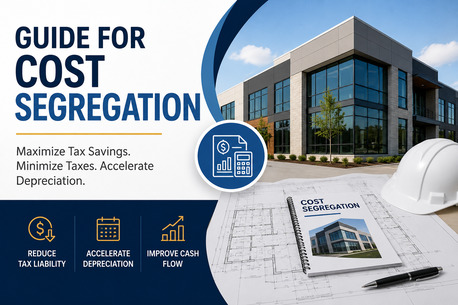
This guide explains how cost segregation studies identify assets such as land improvements, electrical systems, flooring, specialty plumbing, parking lots, landscaping, and other components that may qualify for accelerated depreciation schedules of 5, 7, or 15 years instead of the standard 27.5 or 39 years. With bonus depreciation opportunities created under the Tax Cuts and Jobs Act, many investors can significantly increase first-year deductions and generate immediate tax savings. Some properties may see 20% to 50% of the building value reclassified into shorter-life assets for faster depreciation benefits.
An effective cost segregation guide also covers IRS expectations for credible engineering-based analysis, proper documentation, and defensible reporting standards. The IRS emphasizes that reliable cost segregation reports should include detailed calculations, property-specific analysis, and sufficient supporting documentation to withstand scrutiny during audits. Engineering studies, site reviews, construction cost analysis, and asset classification methods are all essential components of a compliant cost segregation study.
Property owners considering cost segregation can benefit from learning which asset types qualify, how bonus depreciation works, when studies should be performed, and how preliminary analyses estimate potential tax savings before committing to a full report. Cost segregation is especially beneficial for multifamily housing, office buildings, retail centers, industrial facilities, hotels, and short-term rental properties with substantial taxable income. Many studies produce strong returns relative to the cost of the analysis, making them a valuable strategy for improving after-tax cash flow and long-term investment performance.
To know more about us : https://www.costsegregation ...
#federal income tax
#tax cuts and jobs act
#cost segregation study irs
#irs audit techniques guide
#audit technique guide for cost segregation