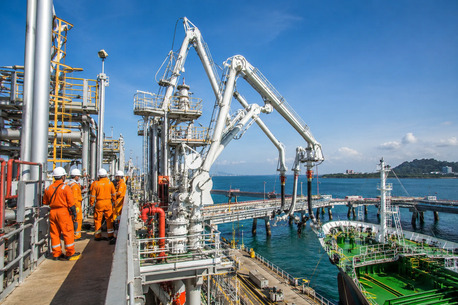
In high-value industries such as oil and gas, petrochemicals, and manufacturing, unplanned downtime can greatly affect production, budgets, and customer commitments. This necessity has made industrial shutdown planning essential in the UAE.
Experienced contractors in Dubai and Abu Dhabi help operators reduce downtime through careful planning and safety measures. Successful shutdowns for manufacturers and energy facilities rely on thorough preparation before equipment is offline, as poor management can lead to higher costs and extended downtime.
Understanding the Importance of Industrial Shutdowns
Industrial facilities need regular maintenance to ensure consistent production because equipment such as pumps and turbines experiences mechanical stress. Planned maintenance reduces disruptions and costs compared to emergency outages, which can result in significant production losses. In the UAE, this is called turnaround maintenance or plant shutdowns, often involving experienced contractors for timely inspections and equipment overhauls.
Why Strategic Shutdown Planning Matters
A successful shutdown is planned. Organizations identify essential tasks, determine the necessary resources, and assess potential risks. Activities are arranged in a sequence that promotes efficient progress during offline operations. The objective is to complete maintenance efficiently while upholding strict safety standards.
Facilities that invest in structured shutdown planning typically benefit from:
Reduced maintenance costs
Improved equipment reliability
Higher plant availability
Better workforce safety performance
Faster return-to-service timelines
Lower risk of unexpected failures
Rather than reacting to equipment breakdowns, these organizations use shutdowns as a proactive strategy to protect productivity and extend asset life.
Common Risks of Poor Shutdown Planning
Poorly planned shutdowns can create problems that extend far beyond the maintenance window itself. Key risks typically include:
Unexpected equipment failures discovered during shutdown
Delays due to the unavailability of critical materials or spare parts
Workforce scheduling conflicts and contractor coordination issues
Increased safety risks due to compressed work schedules
Budget overruns resulting from scope changes
Extended downtime that affects production commitments
Regulatory compliance issues during restart and commissioning
By identifying these risks early and implementing detailed shutdown plans, industrial operators can reduce disruptions and improve overall project performance.
Material Shortages: Unavailability of critical spare parts can delay essential maintenance activities and extend the shutdown beyond the planned schedule.
Contractor Coordination Issues: Poor communication between multiple disciplines can create bottlenecks that affect both safety and productivity.
Dubai and Abu Dhabi: Different Industrial Environments, Different Shutdown Challenges
Shutdown goals remain consistent—safe and efficient maintenance—but challenges differ between Dubai and Abu Dhabi.
In Dubai, space constraints in manufacturing and logistics demand optimized production schedules and limited flexibility. Contractors prioritize efficiency. Conversely, Abu Dhabi's oil, gas, and petrochemical sectors require complex maintenance and multidisciplinary teams due to strict safety standards.
As a result, experienced contractors avoid a one-size-fits-all approach to planning. Major UAE hubs like Jebel Ali, Dubai Industrial City, Mussafah, and Ruwais pose unique planning challenges, with tight production schedules that limit shutdown windows. In critical sectors, delays can impact supply commitments across multiple facilities.
The Core Stages of Successful Shutdown Execution
Every industrial shutdown follows a structured process to ensure maintenance is completed safely and efficiently. The process typically involves three key stages: inspection, repair, and commissioning.
Inspection and Asset Assessment
This initial stage assesses plant equipment using non-destructive testing (NDT) methods, such as ultrasonic thickness testing and infrared thermography. These inspections prioritize repairs and coordinate workers, contractors, and materials within a limited timeframe.
Repair, Maintenance, and Equipment Overhaul
During this phase, contractors perform activities such as compressor overhauls and pipeline repairs, requiring close coordination among multiple disciplines. The quality of work here is crucial for ensuring equipment reliability and minimizing future maintenance needs.
Commissioning and Safe Restart
Finally, contractors verify that maintenance tasks are complete and safely bring the plant back online. This involves careful testing and calibration to avoid safety risks, as any oversights can lead to significant production losses.
Managing Industrial Shutdown Projects in the UAE Environment
In the UAE, industrial shutdowns require both technical expertise and an understanding of environmental and logistical challenges.
Heat Stress and Workforce Safety
Shutdowns often occur during extreme heat, exceeding 45°C, especially in confined spaces. To ensure safety, contractors implement heat stress management programs that include night shifts, hydration stations, cooling zones, mandatory breaks, and fatigue monitoring.
Corrosion Control During Maintenance Activities
The coastal climate leads to high humidity and airborne salt, accelerating corrosion. Contractors protect equipment using techniques like nitrogen purging, temporary coatings, moisture control, and environmental isolation.
Logistics and Resource Coordination
Space limitations in Dubai and Abu Dhabi require careful logistics planning. Effective contractors employ meticulous planning, strategic material arrangement, and real-time tracking for optimal material handling and equipment staging.
HSE and Permit-to-Work Compliance
Shutdowns in UAE process industries must follow strict permit-to-work systems and HSE requirements. Proper management of confined space entry, hot work permits, lockout/tagout procedures, and contractor access controls is essential for maintaining safety throughout the shutdown process.
Structured Shutdown Planning Frameworks
Many experienced shutdown contractors use structured execution methodologies that emphasize planning discipline, coordination efficiency, safety management, and real-time progress tracking. Structured execution frameworks in shutdown management typically include:
Level 5 Planning: Breaking activities into hourly execution windows to identify manpower, equipment, and dependency requirements before field execution.
Global Vendor Coordination: Managing procurement via specialized suppliers.
Real-Time Tracking: Continuous monitoring of shutdown progress enables project teams to identify delays early, reallocate resources quickly, and maintain schedule compliance throughout execution.
Strict Safety Compliance: Conducting toolbox talks and continuous supervision.
Integrated Project Coordination: Aligning engineering, logistics, maintenance, and commissioning teams for seamless execution.
A Real-World Example of Sh