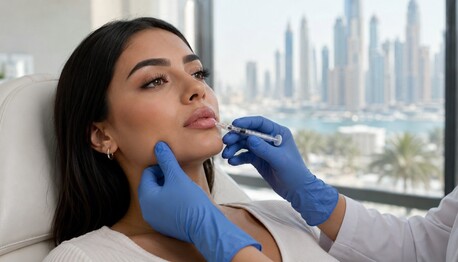
The Shift in Aesthetic Preferences
Recently, expectations surrounding lip fillers have shifted considerably. The previously popular 'overfilled' look seen on social media is no longer desirable. Nowadays, people opt for harmonious proportions rather than just filling up their lips.
The main reasons behind this change are:
Greater awareness of natural-looking results
Advances in injection techniques that improve precision
Recognition of ethnic and anatomical differences in lip proportions
Increased emphasis on maintaining normal lip movement and expression
Anatomy Matters: Why Lips Are Not One-Size-Fits-All
Lip anatomy differs widely from person to person. Some people naturally have well-defined lip borders and a prominent cupid's bow, while others have softer, less defined contours. The height of the upper lip, the plumpness of the lower lip, and the ratio of the lips to each other differ among individuals.
Key Anatomical Features Affecting Results
Successful lip enhancement depends on several anatomical structures:
The vermilion border, which defines the outline of the lips
The cupid's bow, which contributes to lip shape and facial balance
Philtral columns, the vertical ridges connecting the upper lip to the nose
Lip tubercles, which create natural contours and projection
Oral commissures, the corners of the mouth that influence overall expression
Understanding these structures allows treatment plans to be customized rather than applying a one-size-fits-all approach.
Anyone considering lip fillers in Dubai should understand that their unique anatomy will ultimately determine their results.
The Consultation Process: What Happens Before Any Injection
A qualified injector should conduct a thorough consultation before any treatment, assessing various factors beyond just preferences for lip size. They evaluate facial proportions since certain lip shapes may enhance one person's features while appearing excessive on another. Key considerations include the distance between the nose and lips as well as the structure of the jawline.
Reviewing medical history is essential, especially regarding bleeding disorders, previous experiences with injectables, and current medications. Certain supplements, like fish oil and vitamin E, can also increase the risk of bruising post-treatment.
Why Practitioner Selection Matters
Lip filler treatment is highly technique-dependent. The skill and experience of the injector often have a greater impact on the final result than the filler product itself. A qualified medical professional should have a thorough understanding of facial anatomy, vascular structures, and complication management.
Patients should consider:
Medical qualifications and licensing
Experience with lip augmentation procedures
Before-and-after case examples
Availability of emergency complication protocols
Clear consultation and informed consent processes
The Procedure Experience
Understanding what happens during the procedure can help reduce anxiety and improve comfort. After a topical anesthetic has been applied for approximately 15–20 minutes, the physician administers small doses of filler using extremely thin needles or cannulas.
Common reactions reported by patients are:
Most patients experience a quick, mild pinch as the needle enters the skin.
Mild pressure as the filler is placed
Temporary sharp sensations near the lip border
Occasional cracking or crunching sensations as filler moves through tissue
Injection usually takes less than 30 minutes. The process is typically slow and deliberate, with frequent pauses to check symmetry and contour.
Recovery Realities
Swelling is a normal part of the recovery process and should not be mistaken for a complication. Post-procedure swelling can cause the lips to appear very enlarged, but this typically subsides over time. This usually peaks on day one or two after the procedure.
Recovery process:
Days 1–2: Swelling is most noticeable, and mild bruising may occur
Days 3–5: Swelling decreases, and the lips begin to feel firmer.
Days 7–10: Appearance of results closer to the final look
Around 2 weeks: Final results achieved
Bruising is common after lip filler treatments, influenced more by blood type and genetics than by the injection method.
Potential Risks and Complications
Although lip fillers are generally considered safe when performed by qualified professionals, all injectable treatments carry some degree of risk.
Possible complications include:
Swelling and bruising
Temporary asymmetry
Lumps or uneven texture
Filler migration
Infection
Allergic reactions
Vascular occlusion (rare but serious)
Patients should contact their practitioner immediately if they experience severe pain, skin discoloration, or unusual symptoms after treatment.
What Experienced Injectors Commonly Observe
Treatment plans for lip enhancement vary, but experienced practitioners notice common patterns among patients. First-time patients often bring photos of very full lips, but after discussing facial proportions, they may opt for more conservative enhancements. Small adjustments in shape, definition, or symmetry can yield significant improvements without a dramatic increase in volume. Additionally, immediate post-treatment results can be misleading due to swelling, so outcomes are best evaluated about two weeks after the procedure. These insights emphasize the need for patience and realistic expectations during the treatment journey.
Lip Fillers in Dubai: Local Considerations
Dubai has emerged as a top destination for aesthetic treatments, attracting both locals and international visitors seeking non-surgical cosmetic procedures. With a multicultural population, practitioners tailor treatment plans to diverse facial anatomies and aesthetic preferences instead of adhering to a single beauty standard.
It's crucial for patients considering lip fillers to choose licensed medical facilities and qualified professionals. A thorough consultation, discussion of risks and benefits, and personalized treatment planning are essential for safe care.
Additionally, Dubai’s vibrant social scene influences treatment timing, with many scheduling procedures around events like weddings and holidays. To optimize recovery and results, it's advisable to book appointments at least two to three weeks before significant occasions.
Long-Term Considerations
Hyaluronic acid lip fillers—the most widely used type for lip enhancement—gradually dissolve as the body me